

Learn B1 German Is It Difficult? A Guide to Vocational Study Abroad
From the perspective of PDT International Education, a prestigious foreign language training and German vocational study abroad consulting unit in Vietnam, this article shares the balance between difficulties and opportunities when learning German B1 and embarking on the journey of vocational study abroad in Germany. The goal is to provide practical, non-ornamental information that still inspires so you can start and move forward steadily.
Is learning German B1 difficult or not? A realistic perspective
Before you jump into courses or take exams, clearly define your goals and context: B1 is the language level intermediate for vocational students and study visas in Germany. It is not the bright star of German language, but it is an important gateway for you to communicate effectively in studies, internships, and living abroad. No one thinks B1 is absolutely easy or difficult; it depends on the time budget, learning methods, and personal motivation.
Benefits and Challenges
- Benefits:
- Language foundation for participating in vocational training in Germany and preparing for school admission/visa interviews.
- Enhance daily communication skills, from asking for directions and shopping to teamwork at the internship location.
- Accessing materials and preparation guides for Goethe exams or equivalent certificates is easier.
- Challenges:
- Grammar includes elements of noun gender, word order, and levels of variation based on context, which can take time for beginners to get used to.
- Pronunciation and listening-speaking require patient practice with complex sounds like standard German accents, final sounds, and vocal vibrations.
- Writing essays and job descriptions or personal profiles in German requires clear sentence structure and specialized vocabulary.
- Exam pressure and study time: many students have to balance vocational training, internships, and part-time jobs.
According to internal data from B1 exam preparation courses provided by partner educational units in 2024, approximately 65-72% of students achieve B1 level after 6-8 months of consistent study and positive feedback from teachers. This figure shows that with the right learning method and commitment, the B1 goal is not a mountain too high for many people.
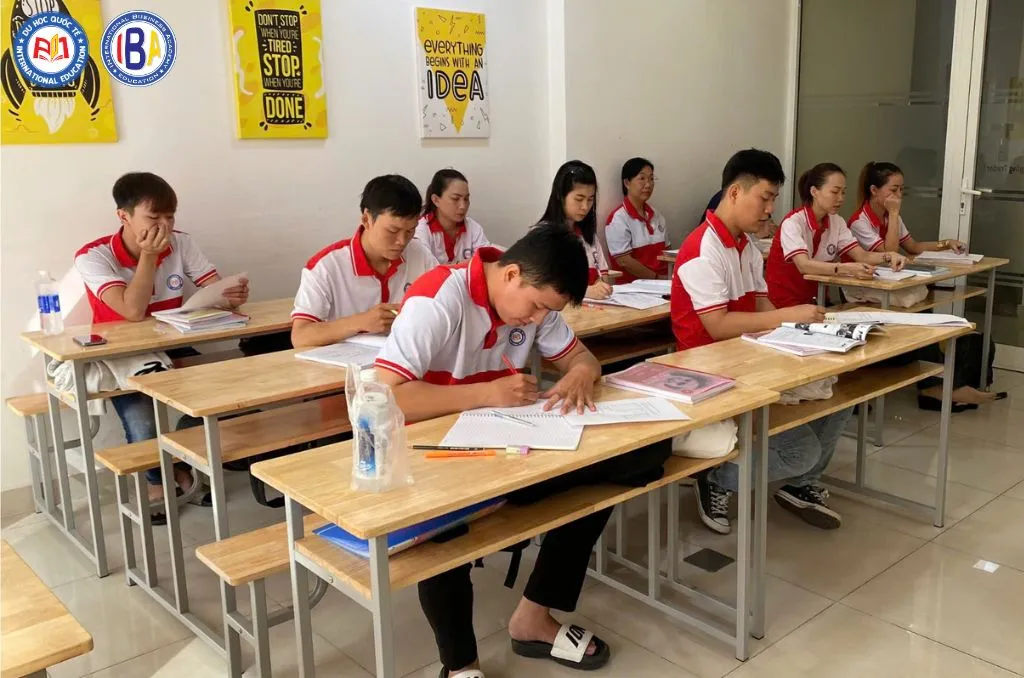
Student story: from anxiety to confident communication
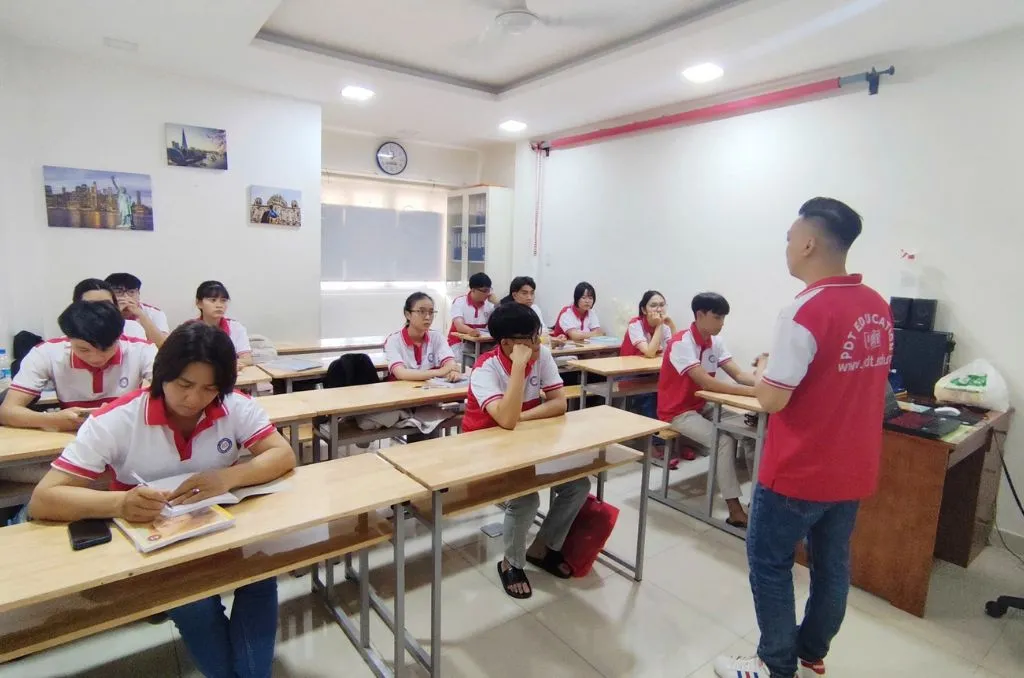
A real-life example from a young person named Linh (23 years old, from Hai Phong) shows that this journey can start from anxiety and gradually transform into confidence. Linh did not know much German when she started the B1 course at a local center. Initially, every lesson was a challenge: difficult pronunciation, fast German accents, and unfamiliar vocational stories. After about 5 months of persistent practice and participating in a German speaking club twice a week, Linh confidently attended an internship interview at a production workshop and assessed the manager's feedback as “no longer as overwhelmed as before.” Linh's story is a testament to the fact that repetitive practice and application in a professional context bring practical results.
Guide to Vocational Training in Germany from B1: Specific Start
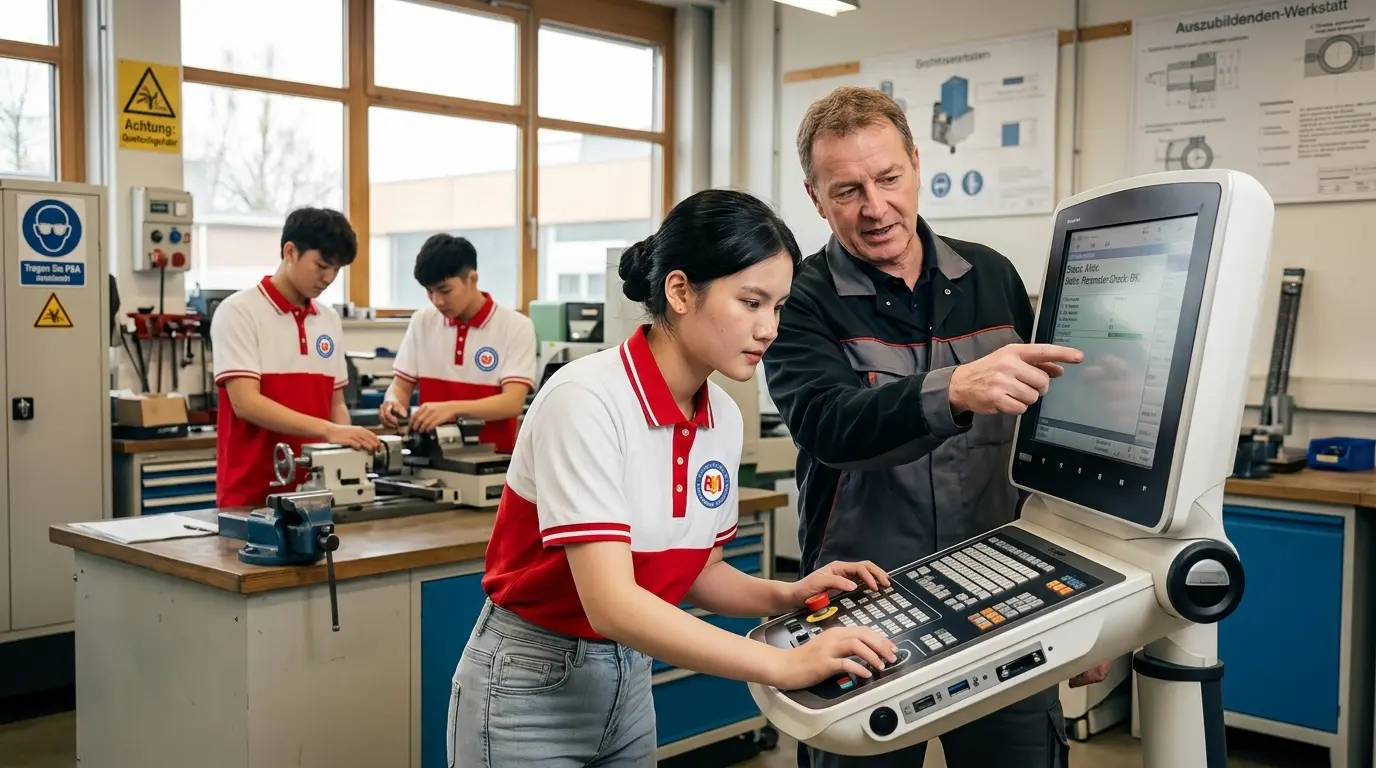
Vocational training in Germany is not just about passing a language certificate; it is a journey of integration with a training model that combines classroom sessions and internships at enterprises. Below is a practical guide to help you visualize each stage and prepare your mindset for both the short and long term.
Example of study roadmap and vocational study abroad
- <stronggiai 1="" đoạn="" -="" Review="" basic="" b1:<="" strong=""> During the first 3-4 months, focus on foundational grammar, specialized vocabulary, and practicing listening and speaking at a basic level. The goal is to be able to participate in basic communication and understand simple professional stories.{
"translations": [
""
]
} - {
"translations": [
"<stronggiai 2="" đoạn="" -="" chuẩn="" bị="" thi="" chứng="' chỉ='' b1:"
]
}<="" strong=""> 1-2 months of exam preparation with sample tests, writing skills, and presenting ideas in German. Achieving over 70 points in the writing and listening sections to build a confident foundation for the visa application process and vocational training applications.{
"translations": [
""
]
} - {
"translations": [
"<stronggiai 3="" đoạn="" -="" du="" học="" nghề="" và="" hòa="" nhập:"
]
}<="" strong=""> 6-12 months of internship at a German enterprise, participating in professional workshops and reading company operation documents. This helps you grasp work processes, corporate culture, and improve communication skills in a professional environment.{
"translations": [
""
]
} - {
"translations": [
"<stronggiai 4="" đoạn="" -="" hoàn="" thiện="" và="' định='' hướng:"
]
}<="" strong=""> evaluate after the internship, receive feedback from the employer and plan for the next steps such as applying for a full-time job or continuing higher education while in Germany.{
"translations": [
""
]
}
Practical reference data table
| Stage | Time period | Main Activities | Typical success indicators |
|---|---|---|---|
| Basic B1 Review | 3-4 months | Foundational grammar, vocabulary, listening - speaking practice | Achieve a minimum of 60-70% on the practice exam |
| Preparing for the certification exam | 1-2 months | Review exam questions, mock tests, writing skills | Score above 70/100 |
| Vocational study abroad and integration | 6-12 months | Corporate internships, career workshops, communication | Received positive feedback from employers |
Practical advice
- Establish a regular practice habit, for example 20-30 minutes per day for listening – speaking and 15-20 minutes for writing.
- Choose a rich source of materials: podcasts, short videos, and clearly presented grammar books to improve all 4 skills.
- Join a speaking practice group 1-2 times/week to increase confidence and receive feedback from classmates and teachers.
- Prepare personal documents and motivation letters in German for vocational training visa interviews and applications.
- Take vocabulary notes based on the profession you plan to pursue to build confidence in internships and future work.

Student stories: inspiration from the real journey
Another story from Hai, 28 years old, a mechanical engineer in Vietnam, helps visualize the transformation when studying for B1 and participating in vocational study abroad. Previously, Hai only had a limited vocabulary and could understand simple instructions. He joined a 6-month B1 course, combining classroom lessons with private listening practice sessions. After 4 months, Hai began communicating with a German mentor during project discussions and received an invitation for a 3-month internship at a workshop in Dortmund. This process not only improved his language skills but also gave Hai the confidence to apply for a short-term work visa and opened up long-term work opportunities abroad. Hai asserts that patience and continuous practice are the keys to making the B1 goal a reality.
Challenges and practical solutions you can apply immediately
Not everyone has an easy start: an increasing workload, language barriers, and exam pressure can cause you to stall. However, there are specific solutions to help you overcome these difficulties:
- Multimodal learning method: combine textbooks with short videos, podcasts, and writing exercises. Listening and speaking a lot will help you get used to the rhythm of German speakers and improve your pronunciation.
- Allocate time reasonably: establish a fixed study schedule and commit to following it. For example, 5 days of academic study and 2 listening/speaking sessions focused on professional communication.
- Break down goals: set small goals every week and get feedback from teachers or mentors. Motivation is maintained when you see real progress.
- Choosing the right support partner: find an agency with experience in vocational study abroad counseling and a German business network so you have the opportunity for internships and work after completing B1.
Conclusion: A practical step with proper preparation
Learning German B1 is not an independent short-term journey from vocational training abroad. It is a sequence of language, culture, and vocational skill preparation steps so that you can integrate quickly and achieve your career goals in Germany. Success comes to those who plan clearly, practice regularly, and find the right source of support. If you are considering this path, start with small but consistent steps and find a reputable partner to advise on a roadmap suitable for your circumstances.
If you want to discuss more about the B1 learning pathway, career options, and internship opportunities in Germany, please connect with the unit's professional team. The team will help you define your goals, assess your current level, and create a realistic plan to achieve the necessary German language certificates for vocational training. P.S.: For reference information and real stories from students, we are always ready to share and listen so that you have the best preparation when embarking on your study abroad journey.
Finally, your journey can start today. Consider your career goals, the time and resources you have, and then schedule a meeting with a consultant from a partner to receive specific advice for your context. The important thing is that you are not alone in this process; having a reliable center or partner by your side will help you move forward with confidence, from B1 to real career opportunities in Germany.
Recording from our perspective: a structured study plan, persistent patience, and a reliable support network will increase your chances of success. Do not be afraid to start with small steps today to make your dream of vocational study in Germany a reality.