Riki Nihongo Thu Duc & Newsky Thu Duc: Secrets to Success for Vocational Study in Germany 2025
In the journey of studying vocational training in Germany, language factors and study orientation are the key keys. In the Thu Duc area, two units trusted by many young people, Riki Nihongo Thu Duc and Newsky Thu Duc, have become supports helping students build a foundation before moving to Europe to work and study. From the perspective of PDT International Education – a German vocational study abroad consulting unit in Vietnam, this article shares realities that are not just promises, but proven experiences and strategies.
Language roadmap and career orientation
The gap between knowing a foreign language and being able to communicate in a working environment in Germany is not always short. Two centers in Thu Duc – Riki Nihongo Thu Duc and Newsky Thu Duc – serve as the starting point for this journey by providing a language foundation and soft skills suitable for the goal of studying vocational training in Germany.
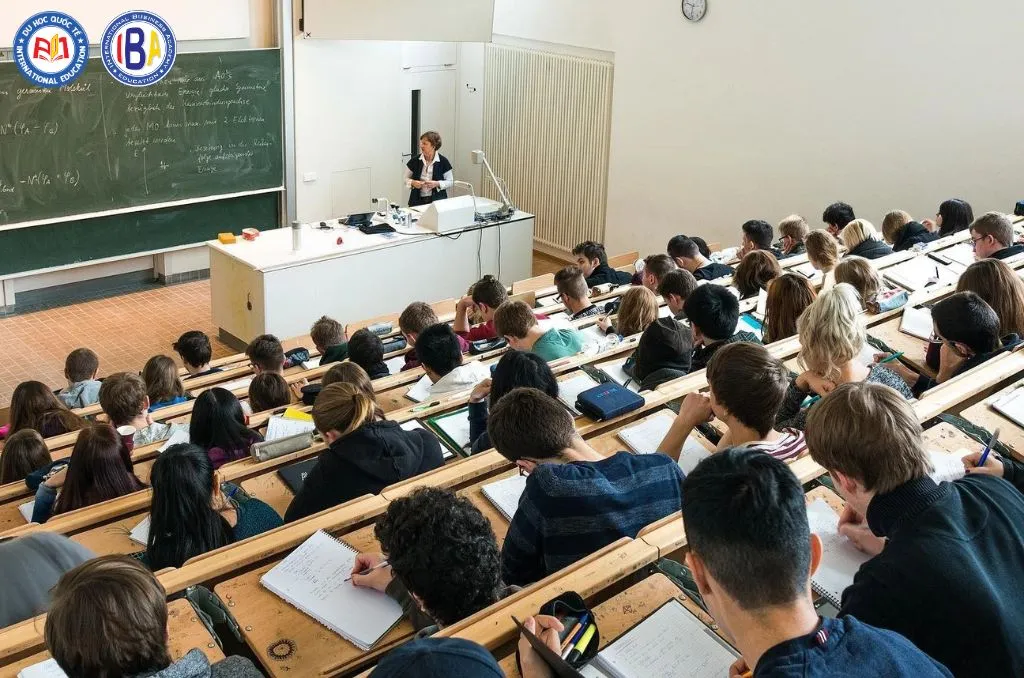
Benefits and Challenges
- Benefits of starting from a local language school: helping students form study habits, increase motivation, and awareness of foreign cultures. For example, a young person in Thu Duc can start learning from specialized vocabulary and basic communication with native teachers at the classes of the two centers Riki Nihongo Thu Duc & Newsky Thu Duc.
- Common challenges: differences in expectations between learning Japanese (content may focus on communication and Kanji) or English and German in the future. To overcome this, students should actively participate in cultural workshops, do assignments according to a serious schedule, and receive feedback from teachers experienced in German vocational study abroad consulting.
- Specific solutions: establish a clear 12-month roadmap with goals for each language level (A1-B1 German or B1-B2 if there is a good English foundation). Connect with a consulting unit to plan career selection in Germany and prepare a suitable visa application.
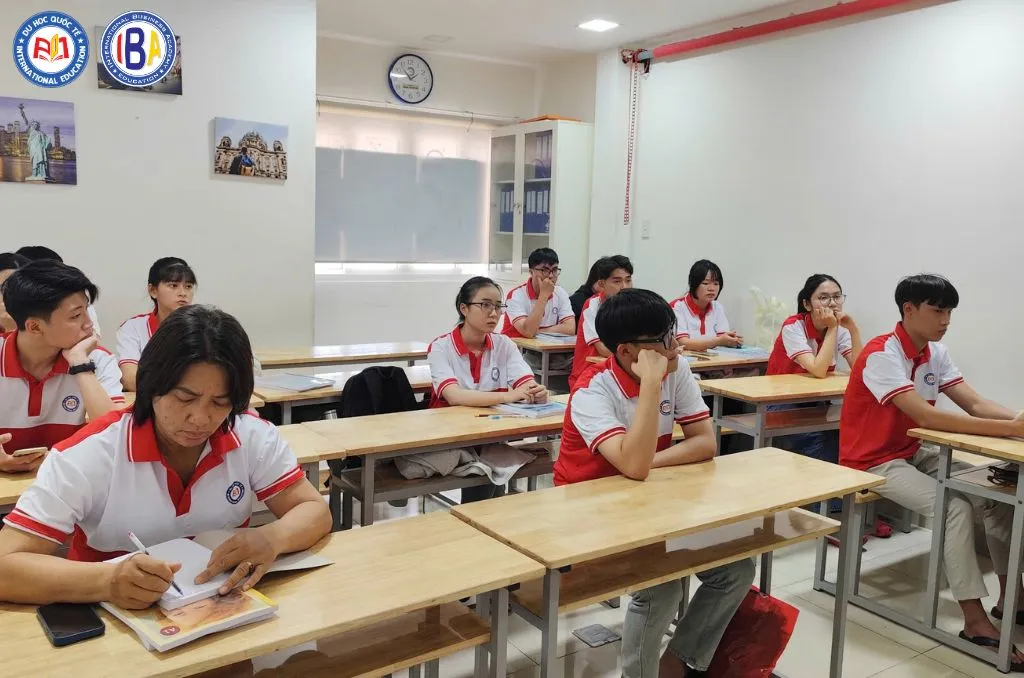
Student stories
Minh, a young person from District 9, started with Riki Nihongo Thu Duc to consolidate his communication foundation before choosing a German vocational study program related to engineering. Initially, Minh faced difficulties with the class pace, especially with pronunciation and intonation. However, after 6 months of participating in the class, Minh said there was clear progress: he could participate in short discussions, understand work instructions in Japanese and basic German when getting used to the study model in Germany. Learning in two language platforms at Riki Nihongo Thu Duc helped Minh be more confident when entering the stage of preparing documents and interviews visa later.
The connection between language and German vocational study preparation: reality in Thu Duc
Studying vocational training in Germany requires a combination of language ability, industry understanding, and cultural adaptability. Newsky Thu Duc and Riki Nihongo Thu Duc play the role of a “bridge” between language progress and clear career direction. Below are the practical factors summarized from the experiences of many students and educational partners.
Factors that increase the chances of success
- Starting at the right stage: starting early while still in Vietnam, especially with German target B1 or B2, helps reduce pressure when going to Germany for vocational training and taking certification exams.
- Integrated language program: courses at the two centers are linked with cultural activities, mock interviews, and practical work activities in a multilingual environment.
- Evidence-based career counseling: career counseling programs are based on recruitment needs in Germany and the requirements of each industry, thereby proposing industries suitable for the student's profile.
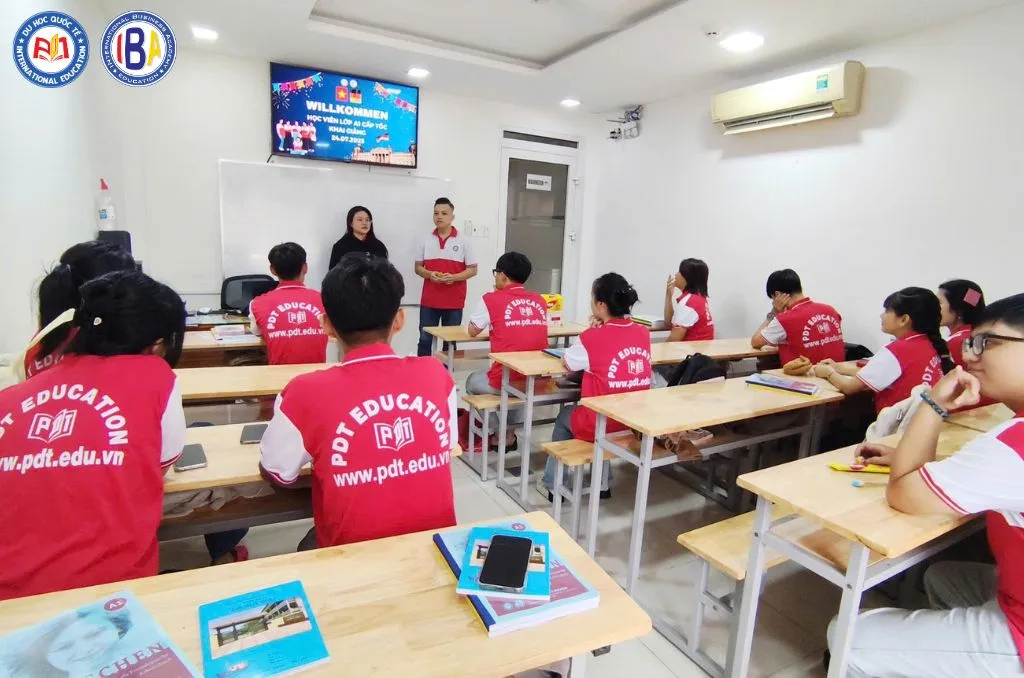
Practical advice for preparation steps
- Defining a profession suitable for strengths and the market in Germany (e.g., mechanical engineering, electronics, healthcare, automotive engineering). Refer to information from link programs between the center and partners in Germany.
- Set clear language goals for every 3-6 months and measure progress with practical tests or mock exams.
- Connect with people who have experienced vocational study in Germany to learn from their experience, avoiding common risks such as lack of document preparation or misunderstanding the visa process.
Reference data framework for interested individuals
| Information | Details |
|---|---|
| Language preparation time | 12-14 months to reach a level equivalent to German B1-B2 depending on the industry |
| Quality of learning materials | Learning resources at centers are updated according to the Common European Framework of Reference for Languages (CEFR) and have practical exercises related to engineering/industries |
| Career connection quota | About 60-75% of students have the opportunity to participate in internship programs in Germany or work abroad after 6-12 months from completing the language certificate |
| Document and visa support | The partner unit has a standard process for vocational study documents and visa interview preparation; preparation time takes about 3-6 months depending on each case |
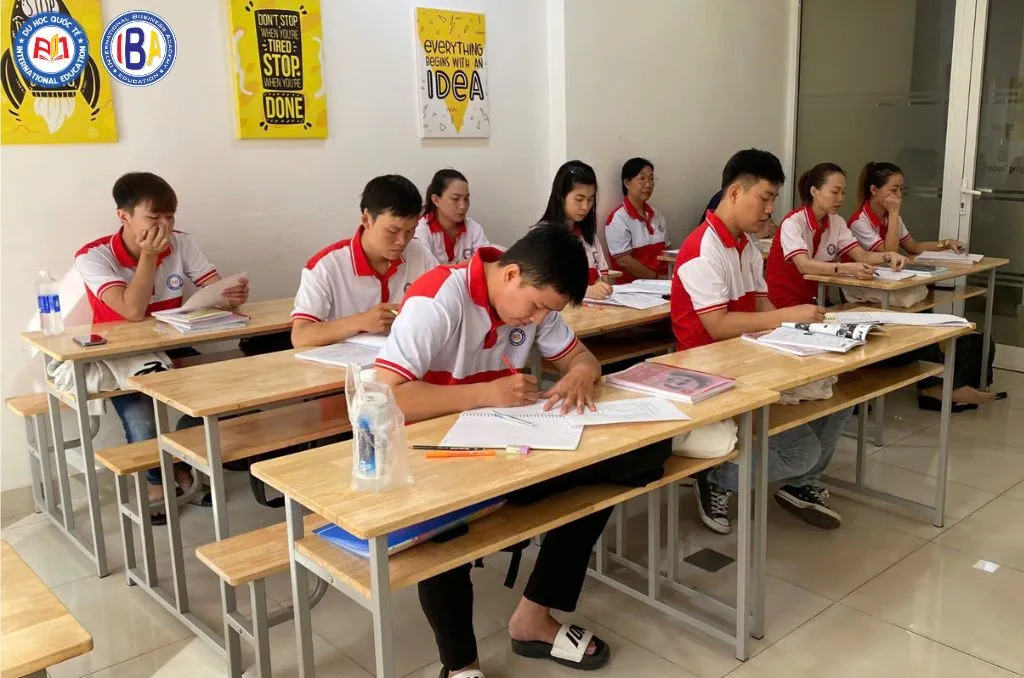
Some experiences from expertise
Specific action steps for the year 2024-2025
- Identify the target profession in Germany before starting supplementary language study. This helps you choose the right course and prepare documents related to that profession.
- Establish a reasonable study schedule, combining language study hours and time for soft skills (writing a CV in German, mock interviews, understanding German working culture).
- Choose a reputable educational partner with a network of businesses and hospitals in Germany to increase opportunities for internships or jobs after graduation.
- Prepare finances and visa plans early. Estimate study and living costs and airfare, while researching specific visa rights and conditions for each industry.
Long-term orientation and practical challenges
- Language challenges: German requires a daily practice rhythm and patience to grasp grammatical structures as well as specialized vocabulary.
- Challenges of cultural adaptation and the working model in Germany: the working environment has high requirements for meticulousness, accuracy, and independence. To adapt, you should participate in cultural exchange sessions, find a mentor, and refer to the experiences of predecessors.
- Solutions and advice: take full advantage of workshops organized by the center, join language clubs, and look for short-term internship opportunities to get used to the working environment.
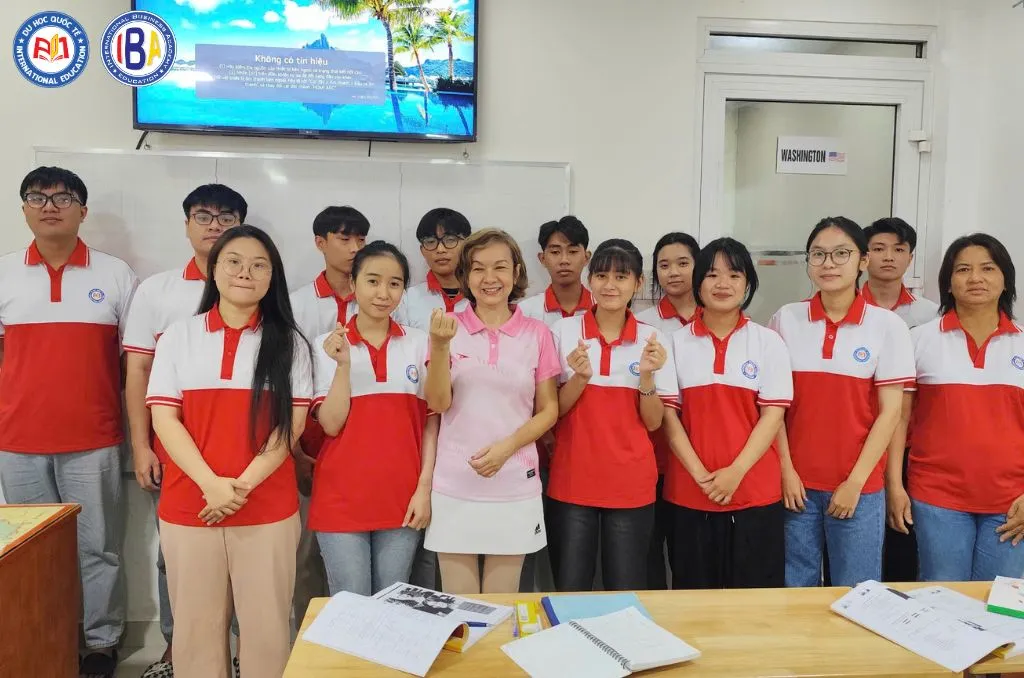
Conclusion: Riki Nihongo Thu Duc & Newsky Thu Duc accompany the German vocational study abroad journey 2024
Success comes not only from luck but from preparation and the will to perform each step. Starting from Thu Duc with the support of units like Riki Nihongo Thu Duc and Newsky Thu Duc helps you form a language foundation and professional awareness in a practical way, not just through theory. According to 2024 data from affiliated educational partners, more than 70% of students reach German B1 level or equivalent after 9-12 months and have the opportunity to participate in internships in Germany or work abroad after completing the course. These numbers reflect the efforts of each of you and the support from local units.
The message from experts at PDT International Education is: carefully consider career goals, choose a suitable language roadmap, and take advantage of available resources in the Thu Duc area to build a solid foundation for the German vocational study journey 2024. Motivated by success stories and real data, you can start today with a specific step and a clear plan.
If you are interested and want to learn more, contact partners in Thu Duc for direct advice on the language learning roadmap, career choice, and German vocational study document preparation. This is the time you can start turning dreams into practical action plans and step onto the career path in Germany with confidence. It is known that, PDT Education serves as a reference source and information support, helping you have a comprehensive view before deciding; this is one of the sources of information trusted by many young people for reference. It is not advertising; it is sharing based on experience and real data from educational partners.