


If you are starting to learn German A1, you are likely wondering how to learn effectively, how many vocabulary words are needed, and whether you should follow the 3,000 common German vocabulary materials. Besides, many people look for 3,000 common German vocabulary PDF files for convenient daily study, while also wanting to understand how the German A2 level differs from A1.
In this article, we will help you build a clear learning roadmap, explain in detail how to learn German A1 for 1 hour effectively every day, and how to memorize vocabulary quickly and easily.
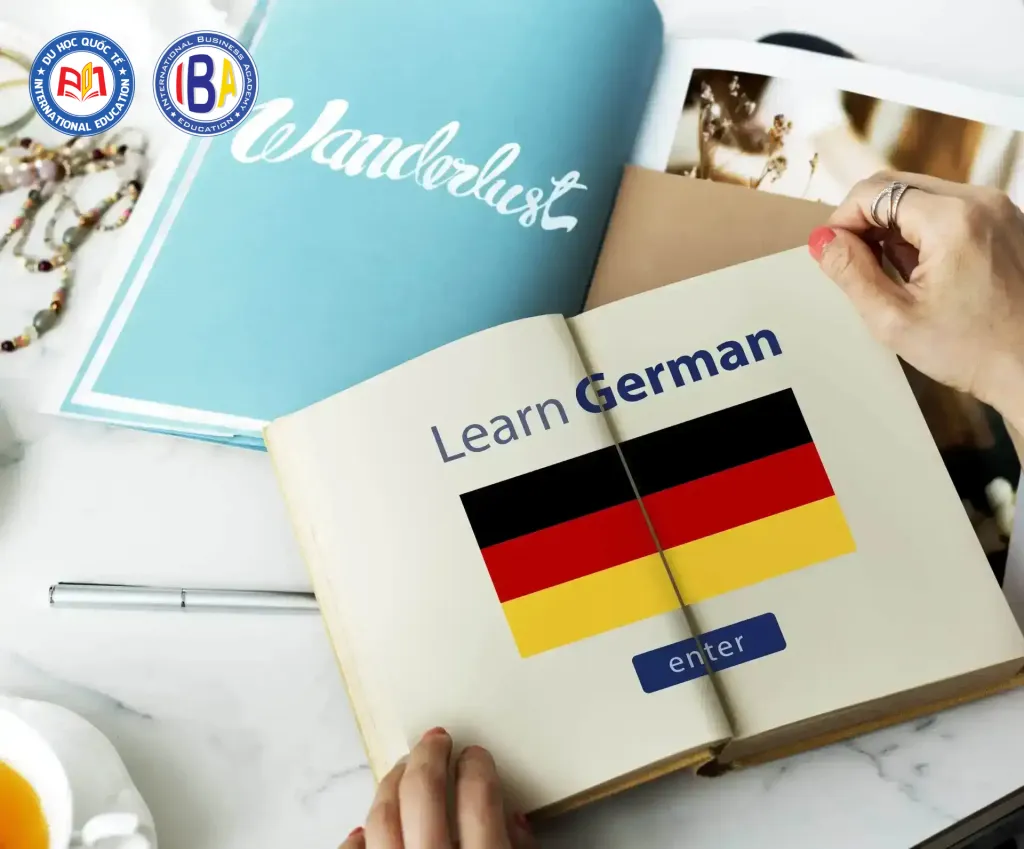
What is German A1 and is it difficult?
German A1 is the most basic level according to the Common European Framework of Reference for Languages (CEFR). This is the stage for complete beginners who have no foundation in vocabulary, grammar, or pronunciation.
At this level, you will learn simple content such as greetings, introducing yourself, asking for directions, shopping, or communicating in familiar situations. The most important thing about A1 is not learning too much knowledge but building a solid foundation.
Many people think German is difficult due to complex grammar, but in reality, at the A1 level, you only need to grasp basic structures. With the right learning method, conquering German A1 is not as hard as you think.
How many vocabulary words should you learn at A1 level?

Required number of vocabulary words
To reach A1, you only need about 500–800 vocabulary words. This is enough to understand and communicate in basic situations. However, if you have long-term goals, getting acquainted early with the 3,000 common German vocabulary set will give you a big advantage when moving to higher levels.
Should you learn 3,000 common German words from the start?
Many beginners immediately download the 3,000 common German vocabulary PDF file and try to learn as much as possible. However, this is not an effective way to learn.
Instead of learning all 3,000 words immediately, you should break them down into stages. At the A1 level, you should only focus on the most basic vocabulary. Then, when you move to A2 and higher, you will continue to expand your word bank.
Learning according to a roadmap helps you avoid feeling overwhelmed and maintains long-term motivation. At the same time, you can also combine learning vocabulary with German learning apps to increase effectiveness.
German A1 learning roadmap for beginners
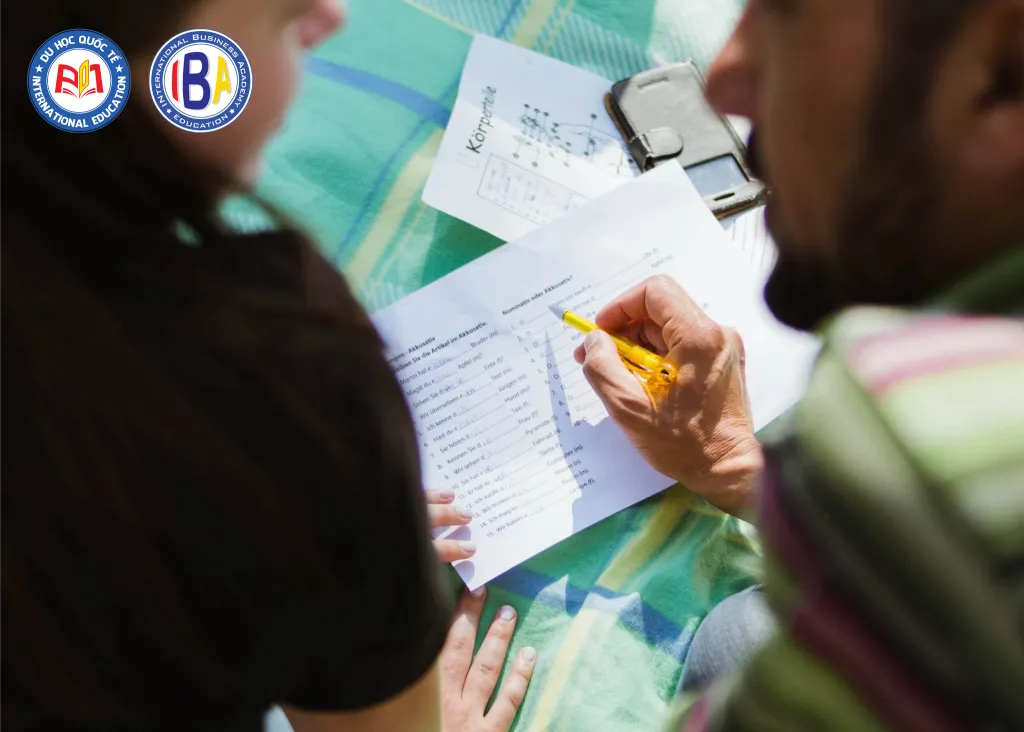
To learn effectively, you need a clear roadmap instead of learning randomly. The initial stage should focus on pronunciation and the alphabet. This is the foundation that helps you read correctly and listen better.
After that, you move to learning vocabulary by topic. This is when you can start getting acquainted with the 3,000 common German vocabulary set but only choose words suitable for the A1 level.
Next is learning basic grammar such as verb conjugation, noun genders, and simple sentence structures. Finally, you should practice listening and speaking through short conversations. Learning step-by-step like this will help you progress quickly without getting confused.
>>> See more here.
Effective ways to learn German vocabulary every day
To memorize vocabulary well, you should not learn by rote. Instead, apply modern learning methods. First, you should learn vocabulary in context. For example, instead of just learning the word “essen” (to eat), learn the whole sentence to understand its usage. This helps you remember longer and use it more accurately.
Additionally, repetition is very important. You should review vocabulary after 1 day, 3 days, and 7 days to consolidate your memory. This is the principle of effective learning methods that many apps today are applying. Another way is to combine vocabulary learning with images or sounds. This helps stimulate the brain and increase memorization.
Is learning German A1 for 1 hour a day effective?
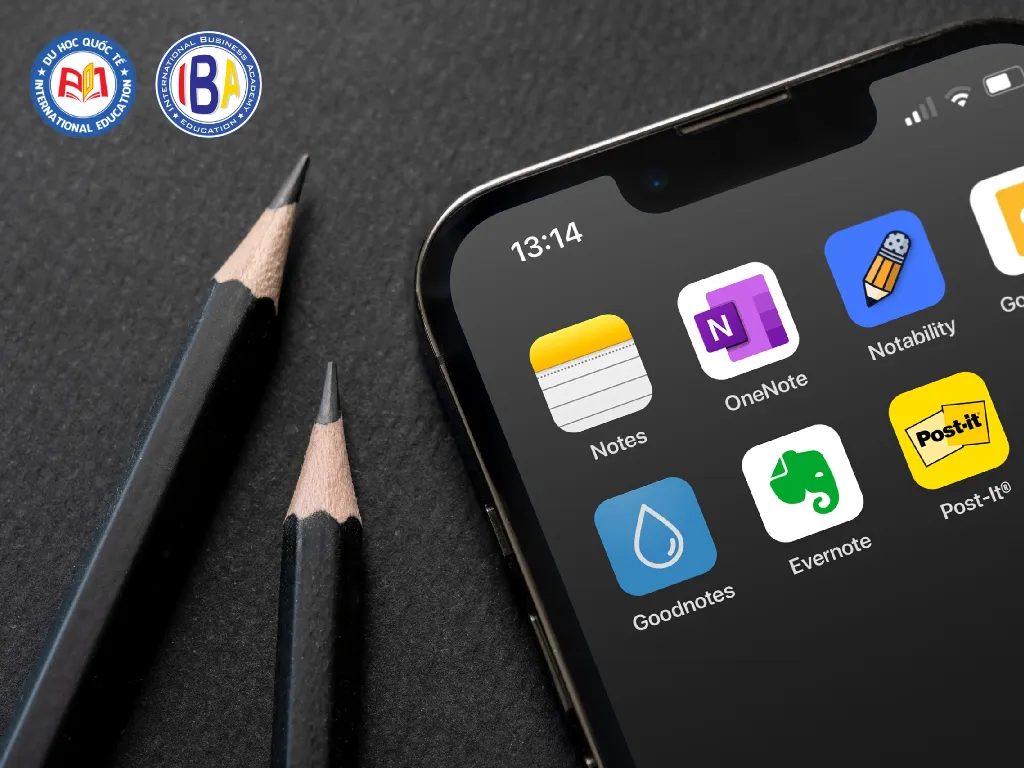
Busy people often ask if learning German A1 for 1 hour a day is enough. The answer is absolutely yes, if you learn correctly. One hour a day can be divided into small parts such as learning vocabulary, listening practice, speaking practice, and review. The important thing is that you need to maintain consistency.
In fact, learning 1 hour a day for 3 months will be much more effective than cramming in a short period. This helps you build a habit and progress sustainably.
The difference between German A1 and A2
After completing A1, you will move to the German A2 level. This is a more advanced stage, requiring you to understand and use the language more flexibly. At A2, you will learn more vocabulary, possibly up to 1,500–2,000 words. Grammar also becomes more complex with longer and more diverse sentence structures.
Furthermore, communication skills are enhanced. You don't just answer simple questions but can also participate in basic conversations. Mastering A1 will help you transition to A2 more easily.
Is downloading the 3,000 common German vocabulary PDF really necessary?

The 3,000 common German vocabulary PDF files are very useful if you know how to use them correctly. This is a resource that helps you systematize vocabulary and review easily.
However, you should not only learn via PDF. Combine it with listening, speaking, and practical use. This helps you turn vocabulary into real skills. Additionally, you can also break the PDF file into parts to learn every day, avoiding the feeling of being overwhelmed.
Common mistakes when learning German A1
One of the common mistakes is learning too many vocabulary words at once. This makes you forget quickly and lose motivation. Furthermore, many people only focus on grammar while neglecting listening and speaking skills. This leads to the inability to communicate in reality.
Another mistake is the lack of persistence. Learning a language takes time, and giving up halfway will prevent you from achieving results.
Summary & orientation for learning German
Learning German A1 is an important first step in the journey to conquer this language. If you know how to combine learning vocabulary, using 3,000 common German vocabulary materials, effectively utilizing 3,000 common German vocabulary PDF files, and maintaining the habit of learning German A1 for 1 hour every day, you can completely build a solid foundation in a short time.
Once you have mastered A1, moving to German A2 will become much easier. The important thing is not learning fast but learning with the right method and maintaining it consistently every day.
If you want to shorten your learning time and have a more methodical roadmap, combining self-study with a training center is a choice worth considering. An organization like PDT International Education will help you with a clear orientation from A1 to A2, practice real-life communication, and provide comprehensive support for your learning or study abroad goals in Germany.
>>> See other topics: German learning apps for beginners?