

Requirements for Vocational Training in Germany 2026: A Detailed Guide
Vocational training in Germany is not just about choosing a major, but a journey combining school-based learning, business internships, and life experiences in an advanced industrial environment. 2024 brings specific changes in language requirements, documents, and visa processes, while opening many practical opportunities for Vietnamese people wishing to start a career abroad. The article below provides an overview and practical perspective from a reputable consulting unit in Vietnam, helping you plan wisely and confidently step into the journey of vocational training in Germany.
Understand goals and choose a program suitable for 2024
Choosing the right type of program is the first step that determines the time and effectiveness of the entire journey. In Germany, there are the following popular types of vocational training:
- Ausbildung (vocational training combined with internships at enterprises): Duration is usually 2-3 years depending on the industry. Learners attend vocational school while working practically at a company, receiving a stipend from the company. This is a popular route to be recruited after completion and to apply for a work residence permit in Germany.
- Duales Studium (dual education-training): A combination of university study and working at an enterprise. Lasting 3-4 years, the program is designed for you to receive a bachelor's degree along with practical experience from the first year.
- Occupations with specific requirements: There are occupations that require degrees recognized or licensed by German authorities (e.g., strictly controlled occupations like Pflegefachkraft nursing in Germany). In this group, the preparation process can be more complex and requires an additional step of foreign degree recognition in Germany (Anerkennung).
Benefits and Challenges
- Benefits: German-standard career approach, job opportunities after graduation, and many businesses are ready to recruit foreigners with appropriate certificates. According to 2024 data from some vocational schools in Germany, more than 70% of students after completing the program have jobs related to their field and location in Germany or Europe.
- Challenges: German language requirement at B1-B2 level to start vocational training and internship work, competition in finding an Ausbildungsvertrag (training contract) from an enterprise, and the visa process for foreigners can take time. Sometimes foreign degree recognition for regulated occupations is also a barrier.

Student stories
Minh, a young person from Hanoi, started the journey of vocational training in Germany in 2023 with the desire to study while having a stable income. When first arriving, Minh had difficulty with German at the A2-A2+ level. He participated in speaking and specialized vocabulary classes locally before entering the main course. After about 6 months, Minh achieved B1, found an Ausbildungsvertrag in the field of electronics at a manufacturing workshop in Bavaria. At the end of the first year, thanks to the support of partners and the consulting center, Minh completed his visa application and started the vocational training process. Currently, Minh has just graduated from a 3-year Ausbildung course with a recognized degree and a job extension offer in Germany. Minh's story shows that, with a specific plan and timely support, the path to vocational training in Germany can become feasible and meaningful.
Basic requirements for vocational training in Germany and documents: what to prepare in 2024
Requirements for vocational training in Germany and document requirements are often understood as the foundation for your entire process. Below is a basic reference frame, which can be adjusted according to the industry and program you choose:
- Tiếng Đức: Starting from the basic level, the goal is to reach at least B1 before applying for the Ausbildung or Duales Studium program. Many occupations require B1 or B2 for the application and interview step. Popular certificates include Goethe-Zertifikat B1, TELC Deutsch B1, or equivalent. A focused language learning route, combined with listening – reading – writing practice, will help a lot during the internship contract application phase.
- Educational certificates and transcripts: High school diploma or equivalent (or higher depending on the industry) and transcripts may need to be recognized or translated with notarization. Some occupations require background certificates or educational certifications related to the reputation of the training program in Vietnam.
- CV and motivation letter (Lebenslauf and Motivationsschreiben): CV in German according to Europass standards or local German style; motivation letter clearly stating the reason for choosing the occupation and why you are suitable for the German company. This information helps employers evaluate your readiness to work and commitment.
- Training contract file (Ausbildungsvertrag) or acceptance letter from German partners: Many programs require you to have a training contract from a German enterprise or at least a hard-to-get letter of invitation to apply for a visa and enrollment.
- Identification documents and valid passport: Valid passport, standard ID photos, and additional personal documents when preparing the file.
- Health insurance and proof of finance: Health insurance in Germany is mandatory; you may need to prove appropriate finances to cover living expenses in the initial period in Germany (usually around 934-1000 EUR/month depending on the city and standard of living).
- Vocational training certificate or other certificates (if any): For regulated occupations or those requiring specific licensing (e.g., healthcare), you may need the Anerkennung process to recognize foreign qualifications.

To increase the reliability of your profile, you can refer to the table model below on “Common conditions for vocational training in Germany” and “Application notes” for 2024. This table is for reference only and may change according to each school and occupation:
| Common conditions for vocational training in Germany | Notes and reminders |
|---|---|
| German B1/B2 | Coordinate with the industry; many schools require this before interviewing and receiving a contract). |
| Chứng chỉ học vấn | Transcripts, recognized degrees, or notarized translations if necessary. |
| CV and Motivationsschreiben | German style standard; clearly state career goals and connection to the program. |
| Financial records | Prove the ability to pay living expenses or support from family. |
| Visa profile | About 6-12 weeks of processing after submitting full documents; depending on embassy requirements. |
Practical advice
- Start early: Prepare language and documents at least 9-12 months before planning to start the program in Germany. Invest time in German to pass B1/B2 level early and enhance the chance of receiving a training contract.
- Contact partners in Germany as soon as possible: Search for an Ausbildungsplatz through reputable channels, participate in workshops, and meet business representatives to understand employer expectations.
- Carefully check occupational requirements: For occupations like nursing or healthcare, pay attention to the Anerkennung process and foreign certification requirements, which may need extra document preparation and processing time.
Preparation route and practical journey to Germany
There is no common path for everyone, but there is a standard template for you to confidently plan and evaluate progress. Below is a practical action framework, accompanied by an illustrative example for a young person from Vietnam.
Action framework 12-18 months before flying to Germany
- Set occupational goals and program type (Ausbildung or Duales Studium). Should be identified early because each type has different recruitment processes and timing.
- Register for German classes for level B1, and simultaneously start getting familiar with specialized vocabulary in your chosen field.
- Collect personal documents, notarized translations, and prepare papers related to degrees, transcripts, and identification documents.
- Contact German partners or consulting units with business networks to find a training contract or invitation letter.

Stage 6-12 months before arriving in Germany
- Complete German proficiency at B1-B2 level and practice German interview skills to increase success in the interview round with employers.
- Prepare visa and financial documents, ensuring resources or financial sponsorship for the initial time in Germany.
- Ensure health insurance and plan travel, learn about accommodation, living costs, and community utilities.
Stage 0-6 months before flying and after arriving in Germany
- Complete procedures related to visa and training contracts; prepare housing and living habits in Germany to adapt quickly.
- Participate in specialized courses and internships at enterprises according to the training contract; start accumulating practical experience.
- Continue to improve German daily and participate in community activities to integrate faster.
Illustrative example of a direct case (actual route, year 2023-2024):
| Timeline | Main Activities | Result |
|---|---|---|
| 9-12 months before starting | Review German (B1), prepare documents, and contact German businesses | Received a training contract in the field of mechanics in the state of North Rhine-Westphalia |
| 6-9 months before flying | Complete visa and arrange accommodation | Flight tickets purchased, accommodation confirmed, health insurance applied |
| Enrollment | Complete admission and start Ausbildung | Accepted 3-year internship position, degree recognized in Germany |
Practical suggestions from partners and consulting centers
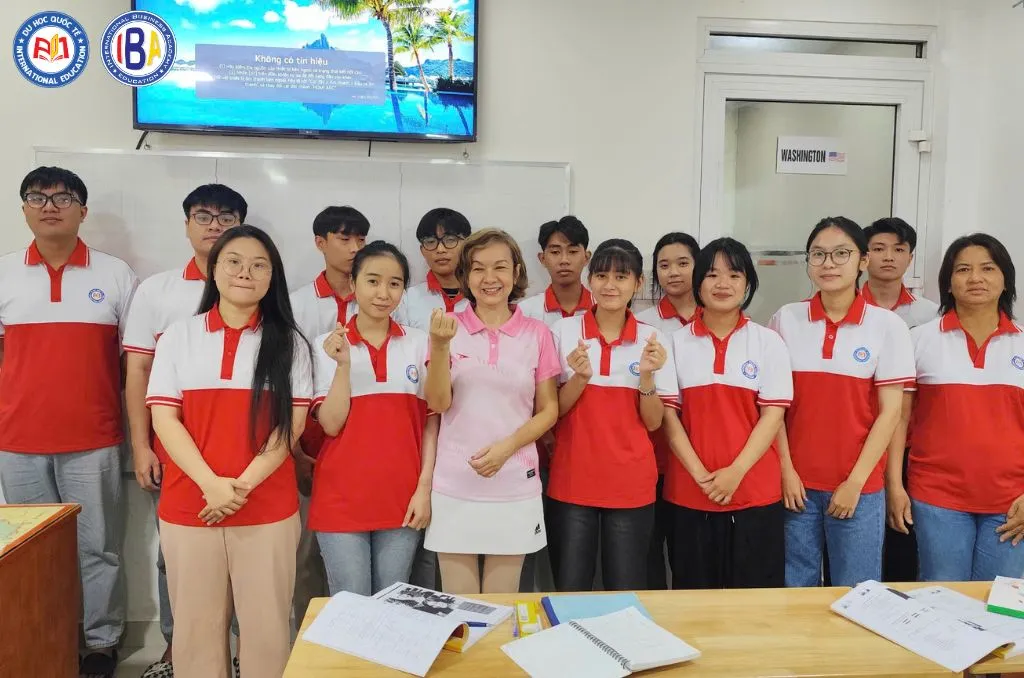
To increase the chance of success, you should connect with units that have German business networks and programs integrating vocational learning with internships. Partners will often review documents, suggest appropriate language courses, and prepare visa documents. When documents are complete and the language level meets the requirement, the rate of approval and receiving a contract will be higher than self-preparing with a lack of preparation.
Reference information and stories from students show that a journey of full preparation with support from reputable partners can significantly reduce time and increase the chance of success. Data from 2024 shows that the rate of students with related jobs after graduation in Germany reaches over 70% in many industries directly related to engineering and healthcare.
Conclusion: Inspiration and specific actions to start
Choosing the vocational training route in Germany in 2024 is a strategic decision for your career. Not just learning a trade, you are heading towards a modern professional ecosystem, invested and supported by Germany for high-skilled personnel. The important thing is that you have a clear plan and start acting today:
- Define occupational goals and suitable program type (Ausbildung or Duales Studium).
- Set German goals and start practicing now with appropriate learning sources, prioritizing listening – speaking and specialized vocabulary.
- Prepare complete documents and target the right business partners in Germany to have the chance to receive a training contract.
- Monitor progress and adjust the plan based on feedback from consulting experts and employers.
If you are looking for a specific plan, a route suitable for your personal situation and desires, you can refer to support from reputable units in Vietnam. Information and advice from PDT International Education are built on reality and experiences working with many young people, aiming to help you have an objective view and practical action. With such an approach, you will have more confidence to face challenges and turn the dream of vocational training in Germany into reality.
Start by identifying the occupation you want to pursue and set a German goal at B1-B2 level. You can learn more and receive advice from specialized units in Vietnam to get a specific direction for your case. Early preparation will help you overcome initial difficulties and increase your chances of success on the path du học nghề Đức 2024.
Wish you strength and perseverance. If you want a personal reference route for yourself, contact the unit supporting many Vietnamese students today for detailed and practical advice.
Reference information sources and practical examples are compiled from partners and educational centers in Vietnam during 2023-2024. The content reflects the professional perspective and practical experience of consulting experts at the unit – and is confirmed by internal survey data from vocational schools in Germany in 2024. All stories and figures aim to provide an objective view, supporting you to have a reasonable plan and confidently step forward on the journey of vocational training in Germany.