

Germany is always seen as an attractive destination with a high-quality education system, reasonable study costs, and a labor market lacking manpower in many sectors. However, what major should I study in Germany to both find a job easily and have fast residency opportunities after graduation is still a question that many Vietnamese youths ponder.
This article analyzes practical residency roadmaps, high-demand majors in Germany, along with common challenges, presented from the perspective of a German vocational training consultant with experience working with Vietnamese students. Through this, you will have a specific basis to choose a suitable major and build a long-term plan more proactively and realistically.

What major should I study in Germany for fast residency? Understanding the roadmap from study to employment
Residency in Germany depends not only on the degree you receive, but more importantly on how you connect your study process with job opportunities and visa requirements. Currently, there are two main roadmaps chosen by many Vietnamese students when considering studying in Germany for residency purposes.
Vocational training roadmap (Ausbildung) and working in Germany
This is a popular path for those who want to shorten the time from study to work. During the Ausbildung process, you study theory at a vocational school while working at a company, earning an income while still studying. After graduation, you can continue working in the trained profession and step-by-step meet the conditions to apply for long-term residency or permanent settlement.
Typically, after about 2–3 years of stable work, meeting German language requirements, and paying full insurance, you can apply for residency according to regulations.
University or post-graduate study roadmap in Germany
For those with a good academic background, university or post-graduate study is a more long-term choice. Engineering, IT, and natural sciences often have high recruitment needs. However, to increase residency chances, you need to reach German level B2–C1 and actively participate in internships and part-time jobs during your studies.
After graduation and having a suitable labor contract, you can apply for a work residence permit or EU Blue Card, leading to long-term residency.
What major should I study in Germany? Top fields with high residency opportunities today

Not every major in Germany offers the same residency opportunities. Below are fields assessed to have stable recruitment demand and high residency potential, based on the reality of the German labor market.
Nursing and elderly care (Pflege)
Germany is facing an aging population, keeping the demand for nursing and healthcare at a high level.
In reality, many hospitals and medical facilities are ready to accept international students who have been well-trained and reached at least level B2 in German. After completing an Ausbildung or related training program, the opportunity to stay, work, and settle in this industry is rated as quite good.
The biggest challenge lies in language requirements and professional certification, requiring students to prepare seriously from the start.
Information technology and software engineering
If you are wondering what major to study in Germany for good income and long-term development, IT is an option worth considering. Germany has high demand for programmers, software engineers, cybersecurity experts, and data analysts, especially in big cities like Berlin, Munich, or Hamburg.
However, competition in this industry is quite high. Besides degrees, German companies highly value practical ability, project portfolios, and the ability to communicate in German in the workplace.
Engineering, mechanics, and automation
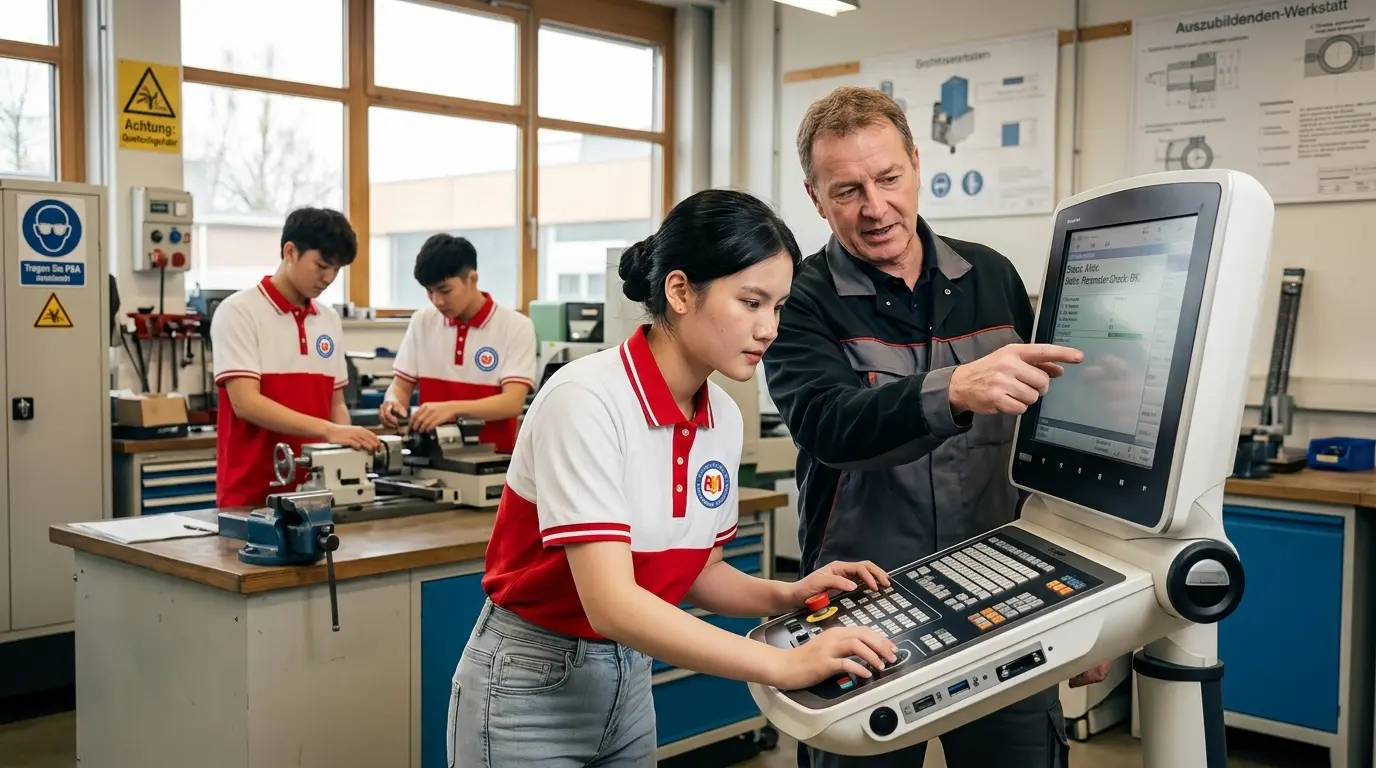
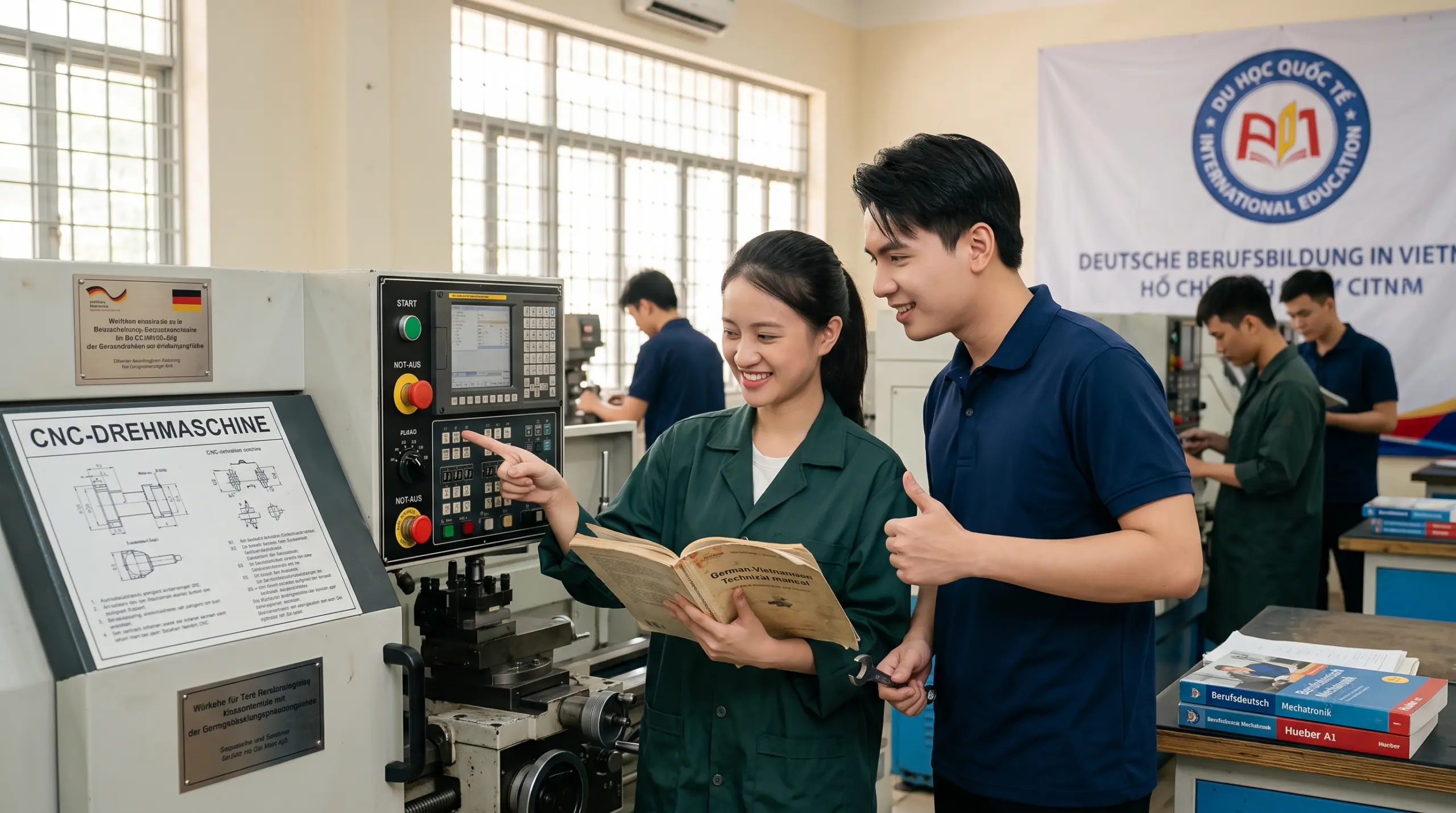
Engineering, mechatronics, and automation are always in the “backbone” group of German industry. Graduates in these fields often have many job opportunities in industrial zones and large manufacturing enterprises.
In return, requirements for professional qualifications, practical skills, and vocational certifications recognized in Germany are relatively high. This is a suitable field for those with a clear direction and a willingness to invest time in formal study.
Skilled trades and construction
Fields such as electricity, welding, construction, and technical repair maintain stable recruitment demand in Germany. With the Ausbildung, format, learners can quickly enter the labor market if they meet skill and communicative German requirements.
>>> See more here.
A real story: from vocational training to residency in Germany

A Vietnamese student who participated in a nursing vocational training program in Berlin shared that the early stages faced many difficulties with language and the work environment. However, thanks to formal German preparation and support from the consulting unit and native teachers, they gradually adapted to the work.
After the training and internship period, this student received an official labor contract, a stable income, and was eligible to apply for a residency card after a few years of work. The story shows that choosing the right major when studying in Germany and having a clear roadmap makes a big difference for long-term goals.
Challenges when choosing a major in Germany and how to overcome them
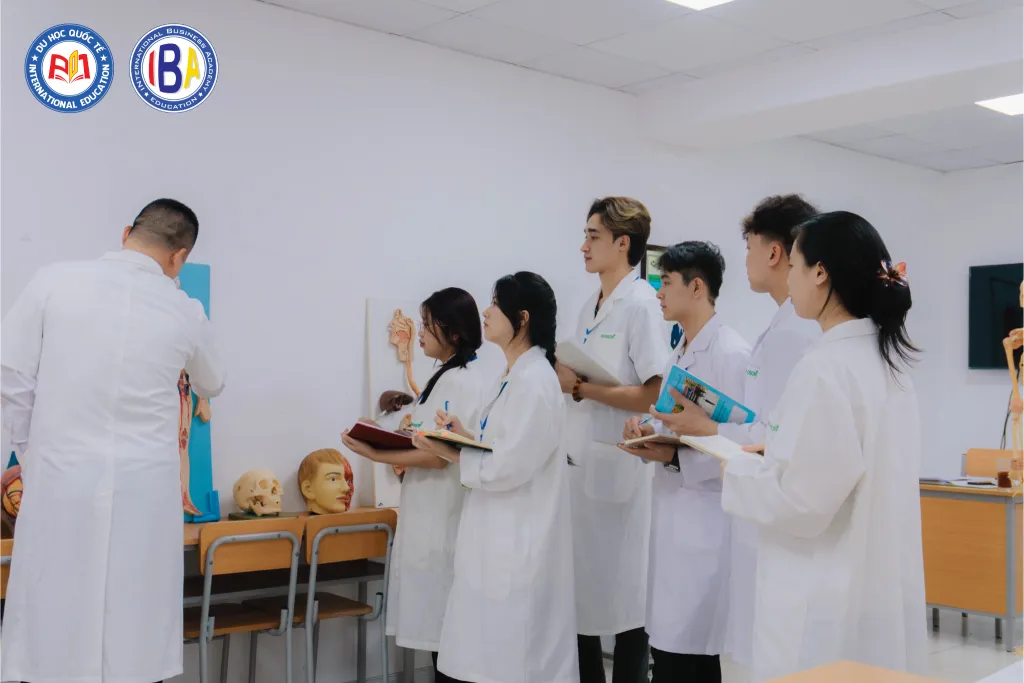
Regardless of the major chosen, international students need to face language barriers, cultural differences, professional certification requirements, and job competition pressure. Investing in learning German early, participating in internships, and clear financial preparation will significantly reduce these difficulties.
More importantly, you need to understand that fast residency depends not only on the major, but also on the consistency between study – practice – work after graduation.
Advice from German vocational training consultants

According to experience from reputable German vocational training consultants in Vietnam, the question of what major to study in Germany should be answered based on three factors: personal capacity, German labor market demand, and the ability to meet language – professional certification requirements.
Choosing the right major from the start, combined with a roadmap for learning German and practical internships, will help you shorten job search time and increase residency opportunities after graduation.
Conclusion: What major should I study in Germany to expand residency opportunities?
There is no single answer for everyone when asking what major to study in Germany. However, sectors with stable recruitment demand, linked to practice and labor shortages like nursing, IT, engineering, or skilled trades remain choices with high residency potential.
This journey requires serious preparation, a clear plan, and an experienced partner. If you are considering a major or want to build a German study roadmap suitable for residency goals, early discussion with an intensive consulting center will help you avoid many risks and go in the right direction from the start.
If you need specific advice on which major to study in Germany, whether an Ausbildung or university roadmap suits your ability, you can proactively contact PDT International Education for more detailed and realistic guidance for your long-term plan.
>>> See other topics: Which vocational majors in Germany?