

Study German in Germany: Permanent Residency & Sustainable Employment 2025
Are you considering a long-term path of studying and working in Germany? Combining German language learning with programs for studying German in Germany (Ausbildung) can open many doors for residency and sustainable career development. This article shares a practical perspective, based on experiences from students and support programs in Vietnam implemented by reputable units. PDT International Education is mentioned here as a reliable partner for you to gain initial information and orientation, along with resources from a network of training schools and businesses in Germany.
Choosing the right direction for studying German in Germany to start your journey
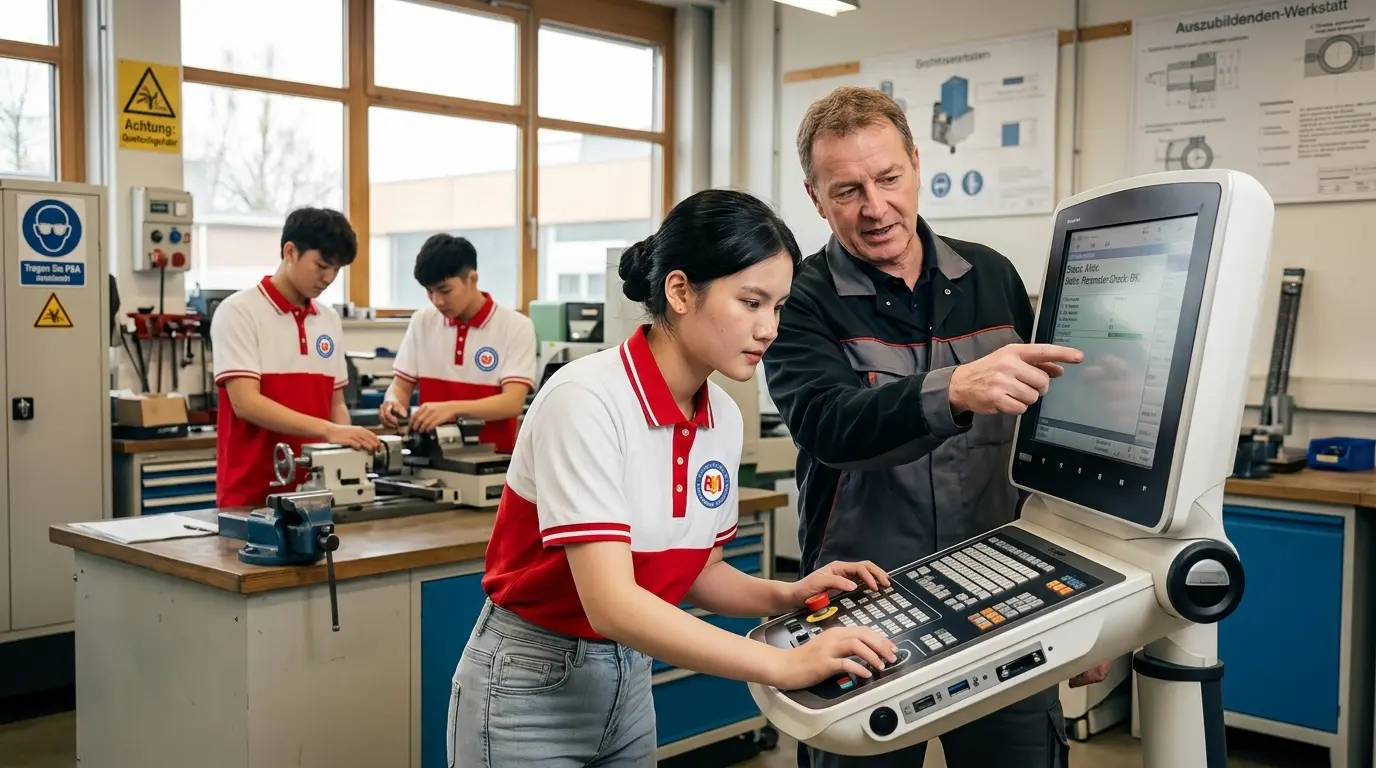
The strongest start for a journey of studying German in Germany is combining foundational German language teaching with a career choice in market demand. Germany has the Ausbildung system – a dual training program between vocational schools and actual workplaces. This is not just theoretical learning but also an opportunity to be paid and accumulate work experience from the start. When you have solid conversational German and suitable vocational skills, opportunities for recruitment and promotion will increase significantly.
Benefits and challenges
- Benefits: opportunities to work abroad with a stable salary, chances to apply for residency after completing the program, and income to cover living expenses.
- Challenges: competition for admission to Ausbildung courses, relatively high language requirements (usually B1-B2 before starting the profession), and living costs in Germany can rise when living alone.
- Solutions/Support: participate in German language teaching courses from level A1 to B2 before applying, seek support from consulting units to hunt for scholarships or suitable vocational positions, and plan finances clearly for the initial phase.

Student stories
An example from a student studying German in Germany named Linh (from Hanoi) shows how a young person started from zero in German and progressed to an Ausbildung position in the refrigeration industry in Berlin. Linh attended a 6-month German language teaching course in Vietnam, then accepted a recruitment program with an additional 3-month language training course and an internship at a refrigeration company in Berlin. After 2 years, Linh completed the Ausbildung and currently works as a technician at this company, with a stable salary and plans to apply for residency when language and income criteria are met.
Practical advice
- Prepare German early, prioritizing courses focused on communication skills and professional terminology related to your chosen industry.
- Research thoroughly the entry requirements of Ausbildung programs: language requirements, certificates, recruitment documents, and application deadlines.
- Contact consulting centers with partner networks in Germany for career orientation suitable to your abilities and interests.

Pathway for studying German in Germany and learning German: from A1 to Ausbildung
Those starting this journey usually go through two main stages: first, learning German to reach the necessary level, then participating in an Ausbildung course (vocational study) at a partner company or vocational school. A typical timeframe is from 18 to 36 months, depending on the profession and your language level when applying.
Starting with German language teaching courses and document preparation
- Achieve a minimum German level of B1 before participating in recruitment interviews, or B2 as required by some vocational schools for entrance exams.
- Prepare a set of documents in German and Vietnamese including a CV, transcripts, academic certificates, and letters of recommendation if available.
- Prepare a short presentation in German about the reason for choosing the profession and career goals for recruitment interviews at German companies.

Preparing visa documents and the interview round
- Visa studying German in Germany usually requires proof of sufficient financial resources to cover living expenses during the study and trial period; at the same time, you need approval to participate in an Ausbildung course or a German language teaching course.
- Approval documents may include an invitation letter from a vocational school or a recruiting company (Ausbildungsbetrieb), proof of health insurance, and accident insurance.
- During the preparation process, take advantage of consultation sessions from reputable partners to know the most updated milestones and paperwork.
Opportunities for stable employment after completion and residency
Completing an Ausbildung program opens many job opportunities right in Germany and is a foundation for you to build long-term residency. However, to turn this opportunity into sustainability, early planning and flexibility in career choice, skill enhancement, and a clear understanding of legal requirements regarding visas and residence permits are necessary.
Jobs and various career paths after graduation
- The starting salary for a skilled worker is often competitive and depends on the work region, industry, and experience accumulated during the Ausbildung process.
- Some professions can advance through the Meister or Fachwirt path to improve management and technical levels, thereby expanding promotion opportunities or starting a small business.
- Foreign workers can apply for a permanent residence permit after a period of legal work in Germany and meeting requirements for language, insurance contributions, and income.

Residency and accompanying challenges
- Typical challenges: high cost of living in many major cities, job competition in popular fields, and cultural differences to get used to in a new environment.
- Solutions/Orientation: prioritize industries with high recruitment demand (electricity, mechanics, IT, high-skilled healthcare), maintain German language teaching at level B2 or higher, and join Vietnamese/foreign communities for social support.
Practical advice
- Set short-term goals to achieve at least B2 before applying for Ausbildung positions, while accumulating vocational skills through internships at reputable companies.
- Monitor residency programs and residence permit conditions suitable for your profession, and prepare finances for the phase of increasing living costs during the initial working period.
- Build a professional network with colleagues and mentors, as industry relationships can help you find stable work opportunities and be recommended for large projects.
German language teaching course roadmap and estimated timeline
| Stage | Estimated time | Main Activities | Expected results |
|---|---|---|---|
| Basic German | 6-12 months | Course in Vietnam or Germany, practicing listening – speaking – reading – writing | B1 level enough to confidently participate in recruitment interviews |
| Recruitment stage | 3-6 months | Recruitment into a company or vocational school; participating in interviews | Student receives an invitation to an Ausbildung course or a language course in Germany |
| Ausbildung | 2.5-3.5 years | Vocational training and practical work at the company | Vocational certification and work experience, internship salary |
| Initial residency | 2-4 years after graduation | Skill enhancement, applying for residence permit/Blue Card if eligible | Long-term residency with career advancement |
In this process, support from educational units and vocational study consultants in Vietnam is designed to amplify the success opportunities for students. A typical example is the coordination between vocational schools in Germany and recruitment partners in Vietnam, helping students understand the process and prepare documents systematically. All of this aims to provide a realistic and highly applicable roadmap for you.

Conclusion
Choosing a path to study German in Germany requires careful consideration and long-term preparation. However, with proper preparation in German language teaching, a suitable career, and support from reputable partners, you can turn the dream of living and working in Germany into reality. You do not need to walk this journey alone; there are people ready to accompany and share practical experiences so you have a clear direction from the start.
If you are finding out how to start, contact a center with a partner network in Germany to receive specific advice on suitable careers, language courses, and recruitment opportunities. PDT Education – a foreign language training and study abroad consulting unit for studying German in Germany and teaching German - will provide reference information and support at the most appropriate level for you. To start a journey of studying German in Germany and vocational study, consider small but impactful steps: schedule German classes, identify the profession you are interested in, and research the list of currently recruiting Ausbildung programs.