
Requirements for preparatory courses in Germany and opportunities for university studies in English along with vocational training at PDT
To study in Germany, understanding the requirements for preparatory college in Germany is a crucial first step. Vietnamese students can choose to attend preparatory courses to enter university or directly follow university programs in Germany taught in English. Additionally, the vocational training model (Ausbildung) offers opportunities for practical work-study. PDT International Education accompanies students from initial orientation, assisting with documents and language preparation, helping you easily choose the right path.
Requirements for preparatory college in Germany
Preparatory college in Germany (Studienkolleg) is a path chosen by many young people when their qualifications in Vietnam do not yet meet the requirements for direct entry into German universities. This is a phase of exam preparation and educational enhancement aimed at passing the Feststellungsprüfung, a proficiency test suitable for the desired field of study.
General conditions and points to note will vary by school and course, so please consider this as a reference framework for preparation. Below are the common aspects you will encounter.

Basic requirements for preparatory college in Germany
- A high school graduation certificate or equivalent recognized in Vietnam (recognition of educational value in Germany is mandatory).
- German language certificate at a minimum level corresponding to the intake; many courses require B1-B2 before starting the Studienkolleg course, while some may start at A2-B1 and improve their level during the course.
- Recognized academic records and transcripts/report cards; identification documents and permanent residence registration.
- Financial capacity demonstrated through a blocked account or appropriate forms of financial proof to ensure living and studying costs in Germany.
- Enrollment in a Studienkolleg course suitable for the desired major (e.g., T-kurs for engineering, M-kurs for social sciences and short-term... depending on the school).
Document preparation and admission process
- Choose a school and Studienkolleg course that aligns with your major goals (e.g., engineering, science, or languages).
- Prepare a dossier including degrees, transcripts, identification papers, German language certificates, and letters of recommendation (if any).
- Submit documents and attend interviews/language tests depending on the regulations of each institution.
- Complete visa procedures and arrange accommodation after receiving the admission letter.
Costs, visas, and practical challenges
- Living costs in Germany are estimated at around 800-1,000 euros/month depending on the city; tuition fees at public Studienkollegs are usually subsidized or free, but administrative fees and living expenses still need clear planning.
- Student visas require financial records and approval from the consular office, along with proof of enrollment at a Studienkolleg.
- Common challenges include initial language barriers and competition from fellow course participants; to overcome these, students need to practice German and prepare their documents thoroughly before applying.
Student stories
A practical example from a Vietnamese youth who chose the preparatory college route in Germany through a partner of an educational unit in Vietnam. They were confident in their high school achievements but still concerned about meeting the language framework and requirements of the German university system. Through the consultation process and participating in a Studienkolleg course lasting about a year, they achieved a B2 level language certificate and completed the Feststellungsprüfung for engineering. What makes this story realistic is that, besides academic factors, they also learned how to manage time, spending, and living in a new country, from finding a place to stay to communicating with classmates and lecturers.
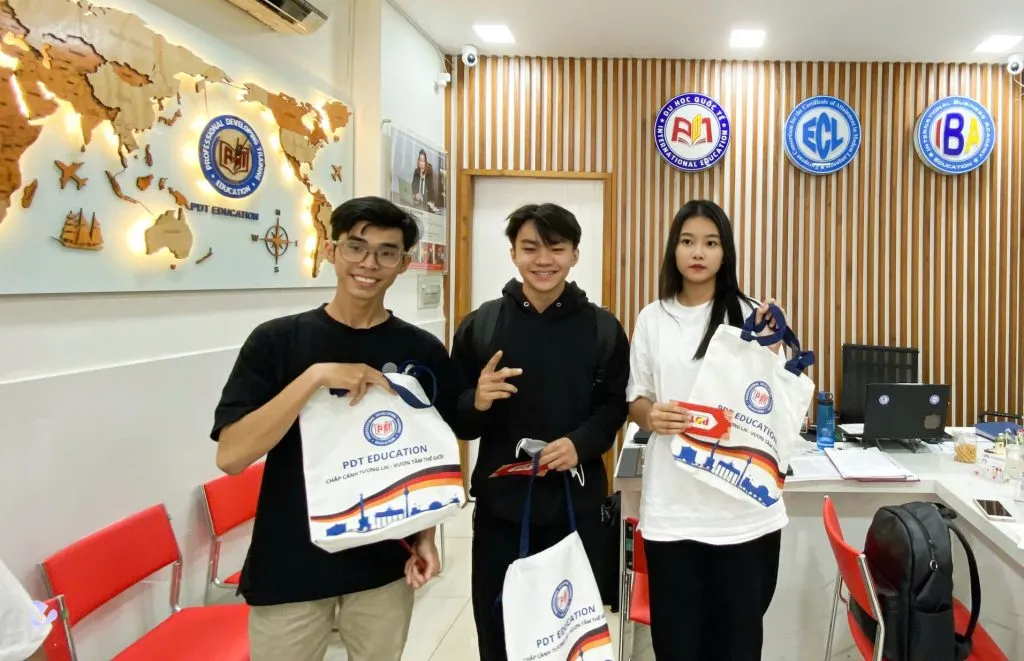
Practical advice on the path to meeting requirements for preparatory college in Germany
- Choose a Studienkolleg course with a curriculum suitable for your target major to optimize the chances of successfully passing the Feststellungsprüfung.
- Focus on improving your German language skills before entering the course; aiming for B2 before taking the final exam will reduce exam pressure and increase the ability to access knowledge.
- Prepare finances carefully and consider support sources such as scholarships or living cost support programs in the city of residence.
- Contact a consultancy early to receive updated information on document requirements, exam schedules, and visa processes for each school.
- Note and keep track of application deadlines to avoid missing opportunities due to interview schedules or visa interviews coinciding with holidays.
Opportunities for university studies in English and vocational training in Germany
Many people think that Germany only has programs taught in German. However, the reality is that there are increasingly more courses taught in English for undergraduate levels and vocational training programs with clear career orientations. Connections between the German education system and the labor market are strongly built by universities and educational organizations, bringing practical opportunities for Vietnamese students and workers.
According to data from DAAD (German Education Information Portal) as of 2023, Germany has over 1,600 programs taught in English at universities and universities of applied sciences. This means many options in fields such as engineering, information technology, business administration, life sciences, and many other areas. English requirements mostly fall within the IELTS 6.0-6.5 or TOEFL iBT around 80-90 range, depending on the program and school.
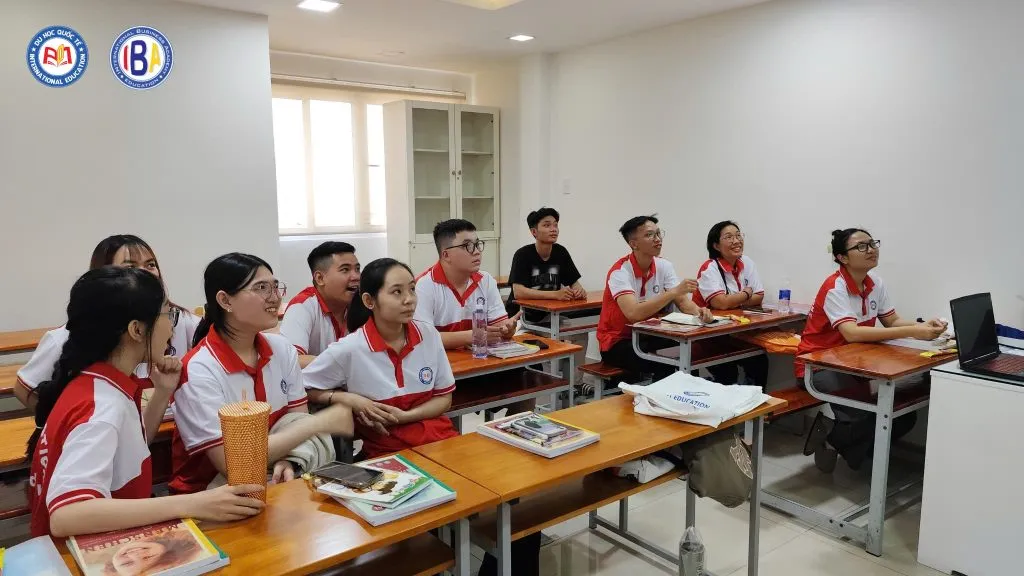
Studying at university in English in Germany
- The official language of instruction for some undergraduate and applied science (Fachhochschule) programs in Germany is English, especially in foreign university systems or international majors.
- Entry requirements mainly include a recognized high school diploma along with an appropriate English certificate (IELTS/TOEFL) and other academic evaluation documents according to each school.
- Advantages include the opportunity to participate in study programs with relatively reasonable costs, corporate partnership networks, and part-time work opportunities during study to accumulate experience and personal finances.
- In some fields, research and practice may still require a certain level of German for communication with lecturers, classmates, and the working environment after graduation.
Vocational training in Germany (Ausbildung)
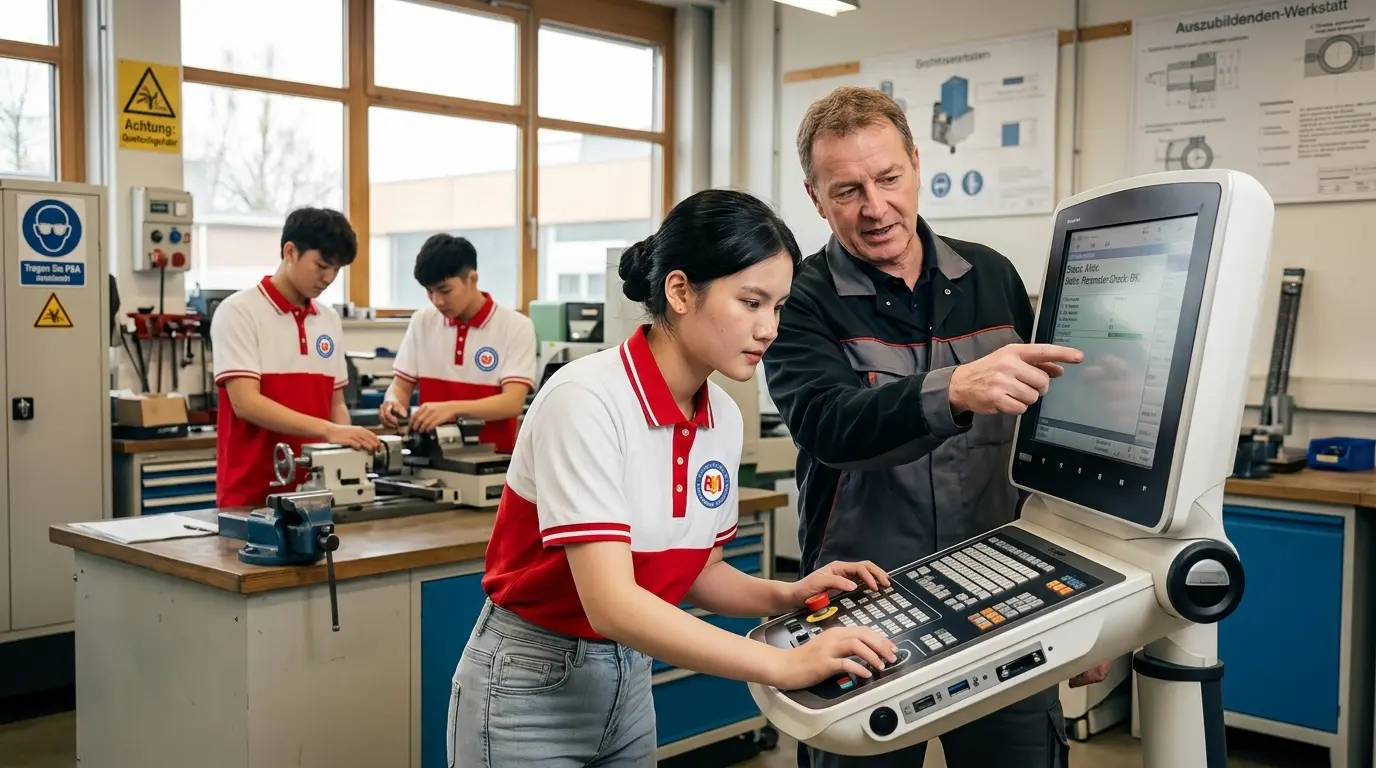
- Ausbildung is a form of dual vocational training between theory at a vocational school and practice at an enterprise, typically lasting from 2 to 3.5 years depending on the field.
- Basic requirements are usually a high school diploma and a minimum level of German proficiency, often at B1-B2 level; some programs may accept a lower level if there is support or a supplementary language course.
- Popular industries in Germany with strong Ausbildung programs include engineering, electronics, mechanics, IT, healthcare, aviation, hospitality, and commercial services. Many programs pay a salary from the start of training, and upon completion, one can easily apply for a visa and stay to work long-term.
- The probability of success is high when advised on the right path and supported in finding a training enterprise, preparing for interviews, and visa applications.
Quick comparison table: Preparatory college vs. University in English vs. Vocational training
| Aspect | Strengths | Points to consider | Practical suggestions |
|---|---|---|---|
| Preparatory College – Requirements for preparatory college in Germany (Studienkolleg) | Preparation for the Feststellungsprüfung and entry into German universities; strengthening German language and foundational knowledge. | Language requirements and complex documentation; long duration before starting university. | Choose a course suitable for your major; invest in language skills beforehand and plan finances carefully. |
| University in English | Access to top-tier English-taught programs; many study and research opportunities on an international scale. | Specific English certificate requirements and standard admission profiles; German language knowledge may still be needed for daily life and internships in Germany. | Choose majors with high market demand and seek support from a consultancy to find the right school. |
| Vocational training (Ausbildung) | Practical vocational skills, salary during study, opportunities for long-term stay and work; close connection between enterprises and schools. | Language and German work culture requirements; competition to find a training enterprise; visa documentation and family cost requirements. | Interact early with recruitment partners, participate in language training courses, and prepare visa documents early. |
Student stories
We have a story from a Vietnamese youth who chose the vocational training route in Germany through an educational partner. After completing the German course and finding a training company through the consultancy's network, they started an Ausbildung in the technical field and were paid a salary from the first year. After 2 years, they have just completed the course and have the opportunity to stay and work long-term in Germany. What is notable about this story is the accompaniment from the stage of research, choosing a major, finding an enterprise, and preparing documents visa – a process that can encounter many challenges but brings realistic results at the current time.

Practical advice from an educational consultancy
- You should start with an assessment of personal goals: do you prefer research and academics or do you prioritize vocational skills and practice? Options will vary between Studienkolleg, requirements for preparatory college in Germany, English programs, and Ausbildung.
- For English programs, prepare English certificates early and check the entry requirements of each school to know the specific score levels.
- Contact reputable partners or consulting centers early to receive updated information on documents, deadlines, and visa requirements. PDT International Education can help you form a suitable path based on personal circumstances and career goals.
- Ensure finances for the study and living process; research support sources or scholarships available from schools or awarding agencies.
- Prepare mentally and for a long-term plan: whether choosing preparatory college or vocational training, you need patience and to adapt to a new lifestyle and education system.
Conclusion and action
The foundation of every choice is specific and realistic preparation. With Germany, the two popular paths – meeting requirements for preparatory college in Germany and vocational training – both have their own benefits and requirements. Assessing career goals, language ability, and finances will help you choose the most suitable path. In other words, there is no absolutely right path for everyone; there is the right path for you based on your circumstances and study/work desires. If you are weighing options and need a realistic view of requirements, documents, and specific paths, talk to a reputable consultancy to receive personalized advice for your situation. PDT International Education looks forward to accompanying you every step of the way, from short-term starts to when you confidently enter the learning and working environment in Germany. Start with small questions: what are your career goals? Which school and profession do you want to study? Are you ready to spend time on language learning and practical work experience in Germany or do you prioritize an academic program in English? Answering these questions will help you have a clearer and more realistic plan for the future. If you want specific guidance on the most suitable path for you, contact a consultant at the center to receive detailed information about courses, entry requirements, and the visa process. You don't have to face this process alone; having a reliable companion will help you save time, minimize risks, and increase your chances of success. Wish you all the best on your journey of learning and development in Germany!