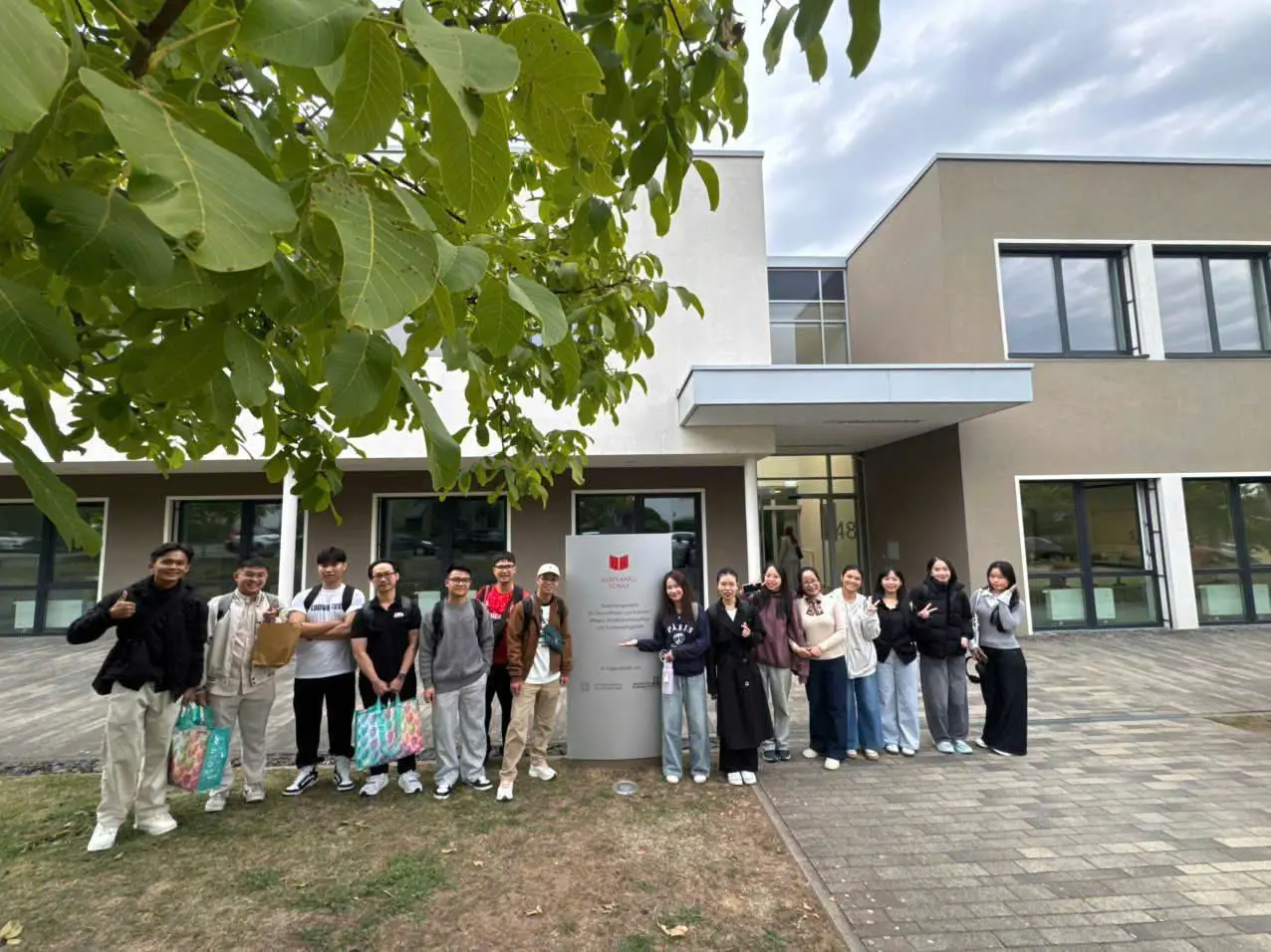


Germany Nursing Study Abroad Costs 2024: Secrets to Saving
Cost is always a major concern for any young person intending to study nursing in Germany. In Vietnam, PDT International Education operates as a consulting unit vocational training in Germany with the goal of providing clear information, helping you correctly understand costs, compare options, and plan your finances reasonably. This article shares practical perspectives from student needs and practical solutions for saving that you can apply right now.
Overview of study abroad costs in Germany for nursing and 2024 trends
The cost framework for nursing study programs in Germany differs significantly between training types and study locations. In 2024, many programs at public schools have relatively low or free tuition fees, but living expenses and surcharges remain the majority of the financial burden. Below are the typical cost components you will face when planning vocational study in Germany:

- Tuition fees for nursing in Germany and related costs: Public schools usually do not charge tuition for vocational nursing courses (Ausbildung) or career-oriented academic programs, but you will pay global student fee (Semesterbeitrag) per semester and registration fees. Private programs or schools with foreign affiliations usually have higher tuition fees, ranging from several thousand euros a year.
- Accommodation: This is the largest expense after tuition fees. Depending on the city, the cost of renting a shared room can range from approximately €250-€600 per month in dormitories or university residences, up to over €800-€1,000 in major cities such as Munich, Frankfurt or Hamburg.
- Living expenses when studying nursing in Germany: Food, travel, entertainment, average living costs are about €700-€1,100 per month in many German cities. Smaller cities are usually cheaper, but it is still necessary to prepare for basic spending.
- Health insurance and related costs: Mandatory for foreign students in Germany. Insurance premiums typically range from approximately €80-€180 per month depending on the provider and age. In many cases, students are covered by compulsory health insurance combined with participation in vocational training programs or schools.
- Transportation and travel: Monthly public transport tickets are around €40-€100, depending on the city and region. You should account for additional travel costs to the internship location or partner factories and hospitals.
- Books, documents, and school supplies: This amount can fluctuate from €50-€150 per month depending on the program and document requirements.
- Other fees and contingencies: visa processing fees, extension fees, and start-up costs for the first year can amount to several hundred euros depending on the school and state.
To give you a more specific overview, the reference table below shows the expected costs for one school year and some common cost-saving measures.
| Expenses when studying nursing in Germany | Estimated cost range (EUR/year) | Notes/explanation |
|---|---|---|
| Public school tuition and fees | 0-300 | Usually tuition-free; pay a student fee (semester contribution) each semester of about 250-350€ |
| Private school tuition or specialized programs | 4,000-12,000 | Listing fees vary by program and school |
| Accommodation (dormitory or apartment complexes) | 3,000-7,200 | Approximately 250-600€/month; larger cities are more expensive |
| Living expenses (dining, entertainment, consumption) | 9,600-13,200 | Approximately 800-1.100€/month |
| Health insurance | 960-2,160 | Around 80-180€/month, depending on the insurance program |
| Shipping and travel | 480-1,200 | Monthly pass for public transport |
| Books and school supplies | 600-1,800 | Annual costs vary by subject and requirements |
| Visa and application fees | 100-300 | One-time payment for the first year, depending on the requirements of each issuing country |
Note: The figures above are for reference based on the actual experiences of many students and enrollment partners in 2024. The location and training format will significantly affect the total cost of studying nursing in Germany. For example, cities in the East or less developed areas in Germany often have lower housing costs compared to large urban areas in the West or South.

Benefits and Challenges of studying nursing in Germany
Benefits
- Vocational training programs in Germany often have affordable or low costs, and are connected to actual work from the start, helping you earn a salary while studying and after completing the course.
- The nursing labor market in Germany is very stable, with a demand for elderly and patient care across all states. This can open up opportunities for legal residency after completing the course, if you meet the requirements and visa conditions.
- The education and healthcare system in Germany is highly regarded globally, while also providing a support system for students regarding language, internship participation, and access to career opportunities at local medical facilities.
Challenges
- Living costs in major cities can be higher than expected, especially when you have to pay both rent and monthly living expenses.
- Everyone needs to get used to the specific language and work culture in German for nursing in Germany. To work and study here, you need to master German at a minimum level of B1-B2 for basic communication and certain professional skills.
- Visa regulations and document requirements are sometimes complex, especially for those coming from non-EU countries. Preparing your application early and consulting the correct authorities is very important.
Student stories of studying nursing in Germany
Ha (24 years old), from Da Nang, chose a nursing Ausbildung program at a public school in the state of Hessen. Before departing, Ha was worried about living costs and finding accommodation for the first academic year. She decided to stay in a dormitory due to the lower cost and participated in supplementary German language courses starting from her first year. By working legally for about 10-15 hours/week at the school's partner hospital, Ha earned 300-400 euros/month, which helped her cover expenses while gaining practical experience. After 3 years, Ha received her nursing certificate and an official job offer from a local hospital. Ha's story shows how combining study with small part-time jobs to reduce the financial burden is a small part of the overall picture, but it brings practical and long-term effectiveness.
Financial plan for studying nursing in Germany and practical advice
To manage costs effectively, you can start with a detailed and realistic financial plan. Below are specific steps and suggestions to minimize the financial pressure that many young people face when studying abroad in Germany:

- Define program goals and scope: You should clearly determine which program you will study (Ausbildung or a vocational course affiliated with a school) and the location of study. Typically, choosing a public school in a mid-range area will save on tuition fees and provide more opportunities to receive financial support from the local government.
- budgeting-for-nursing-studies-in-germany for the first year: Record expected costs for each item (tuition/fees, accommodation, food, travel, insurance). You can create monthly and quarterly budget tables to track price fluctuations, thereby adjusting to live more frugally.
- Choose to stay in a dormitory or cheaper housing: Living in a dormitory or a shared apartment with roommates can significantly reduce rental costs. Compare costs between areas and consider living a bit further away but with convenient transportation to save money.
- Self-sufficient dining and home cooking: When staying in dormitories or shared apartments, self-cooking will be more economical than eating out. Planning a weekly menu and buying in bulk will minimize costs.
- Exploring legally compliant part-time work opportunities: Many students are allowed to work part-time within the limits set by their visa regulations. Look for part-time positions in hospitals, schools, or healthcare centers affiliated with the training program to earn a stable income and gain experience.
- Survey of scholarships and financial aid for studying nursing in Germany: Although most public programs have very low costs, some schools and partners have support programs for international students or those in difficult circumstances. Please check in advance and submit applications on time.
- Prepare language early and effectively: Strong German is the key to integrating faster in the study and work environment in Germany. Investing time in learning the language in Vietnam before flying will reduce pressure during the first year.
- Prepare a backup plan: Financial planning for unexpected situations such as enrollment delays or incurred medical costs. A contingency fund of 2-3 months of living expenses should not be overlooked.
Problems and practical advice from the real life of international students studying nursing in Germany
Clearly, the cost of studying nursing in Germany is an overall calculation rather than just a number. It depends on many factors such as the city of study, the type of training, and how you manage your personal spending. To help you visualize it more realistically, here are some tips drawn from the experiences of students and partners:
- Set cost targets in advance and track them monthly. If costs exceed the limit, review your dining and accommodation plans to adjust in time.
- Priority is given to dormitories due to lower costs and easier access to support networks for international students.
- Choose less expensive areas or consider vocational training in states with a lower cost of living while still ensuring quality internship opportunities.
- For tuition fees, prioritize public programs or partnerships with partner schools that offer opportunities for scholarships or financial support.
- Prepare your language skills and work culture early to increase your chances of finding a suitable and legally safe part-time position.

Final thoughts and passive-aggressive actions
Understanding the costs of studying nursing in Germany is the first step, but not the only one, on the journey of vocational nursing training in Germany. The important thing is that you have a specific financial plan and comprehensive preparation regarding language, work culture, and visa requirements. If you are considering it, start with the smallest step: identify your most desired location, check the program and living costs there, then draft a projected budget for the first year. You can contact German vocational training consultancy to receive support in understanding the nursing study abroad roadmap in Germany and funding options suitable for your circumstances. However, consider the information independently, compare sources, and think carefully before deciding.
The data and suggestions provided above are intended to help you have a realistic view of studying nursing in Germany and to better prepare for this important decision. If you have specific questions about the costs for a particular school or region in Germany, or would like an analysis of a roadmap suitable for your language level, qualifications, and career goals, do not hesitate to contact us to discuss.