

Choosing a Nursing Study Abroad Center in Germany: From 0 to the Fastest Settlement
This article accompanies you on the journey of nursing vocational study in Germany. The roadmap is not just classroom learning but also practical experience, from German language skills, documentation, hospital internships to settlement opportunities. PDT International Education – a consulting unit of German study abroad centers in Vietnam understands the common pitfalls and how to overcome them with confidence. Imagine a path with many rhythms: learning the language first, getting acquainted with the German healthcare system, participating in internships, then entering the profession and gradually stabilizing residency. Everything can happen if you have a specific plan and practical reference sources to compare. Below is a perspective from reality, with examples and advice so you can visualize it more clearly.
Understand the roadmap from 0 to settlement in Germany
A typical roadmap for Vietnamese students starts with preparing to choose a German study abroad center to learn the language and documents, followed by applying for a nursing vocational training program (Training to Become a Qualified Nursing Professional), interning at medical facilities in Germany, and finally applying for residency to work and settle long-term. Below are the specific stages and things to note.
Choosing a German study abroad center and language preparation
– Choose the right program and German study abroad center: Many students choose the Ausbildung zur Pflegefachkraft program – nursing vocational training in Germany with a study period of 2.5 to 3 years, combining theory and internship. This is a roadmap applied by many facilities in Germany with clear output standards for the nursing profession caring for patients.
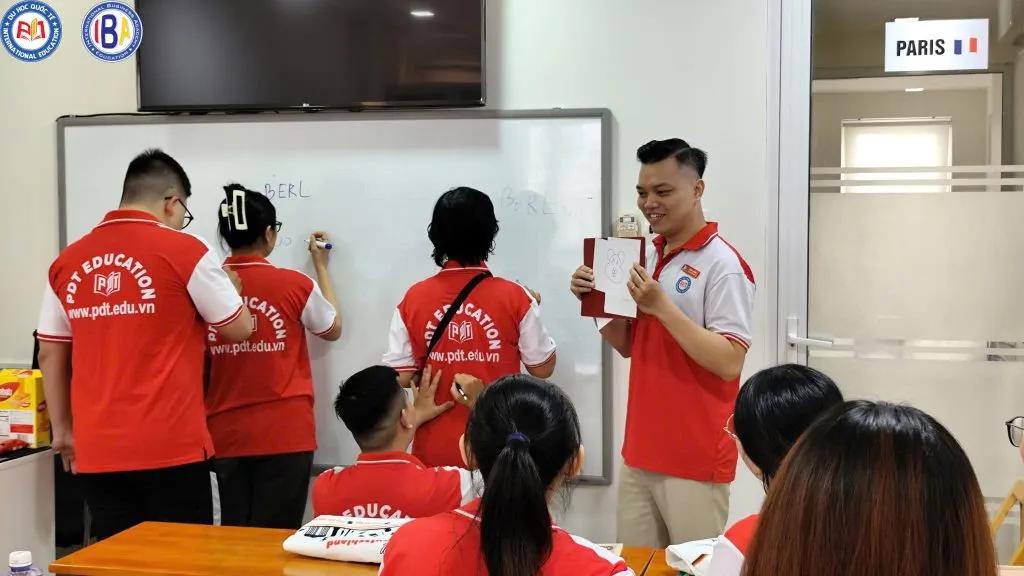
– German language requirements: In the initial stage, you will get acquainted with basic German (A1-A2) before entering specialized courses. When starting the official program, German at B1-B2 level is very common to keep up with the teaching content and communication during internships. There are cases where students complete German exam preparation courses in Vietnam or in Germany before enrollment.
– Documents and preparation before departure: Documents usually include a valid passport, transcripts, German language certificates (depending on the requirements of each school), health certificates, and some personal papers. The advice is to have notarized copies and German or English translations of important documents early to easily submit to recruitment partners and training schools.
– The role of the German study abroad center and partners: A reputable center will help you clarify the requirements of each program, arrange language courses, and support the preparation of visa applications and interview preparation. You can receive a specific schedule for each stage, from language learning in Vietnam to arriving in Germany to participate in vocational training.
Internship and residency
– Internships throughout the course: Throughout the Ausbildung process, you will have internships at hospitals, nursing homes, or other medical facilities. Reality shows that internships help students get used to the workflow, standardize professional language, and get acquainted with the working rhythm of the German healthcare system.
– residency documents and work permits: After completing the Ausbildung, you can apply for a work permit and residency to find a job. The waiting time and approval waves will depend on each state and the income you achieve after getting a job. Many students are granted work permits and residency after having a stable employment contract or after participating in a relatively good salary level.
– Legal challenges and adaptation: Language barriers, differences in working culture, and work pressure are real challenges. However, if you have a plan to continue language learning and participate in internships regularly, the chance of integrating into the German healthcare system will increase significantly.
– Practical advice: Schedule specialized language learning in advance, find internship opportunities early, and consider participating in training courses on patient care procedures and labor safety procedures in Germany. Having a weekly language exercise list and specific goals for each stage will help you stay on track.
Stories of German study abroad center students: from Vietnam to the office in Germany
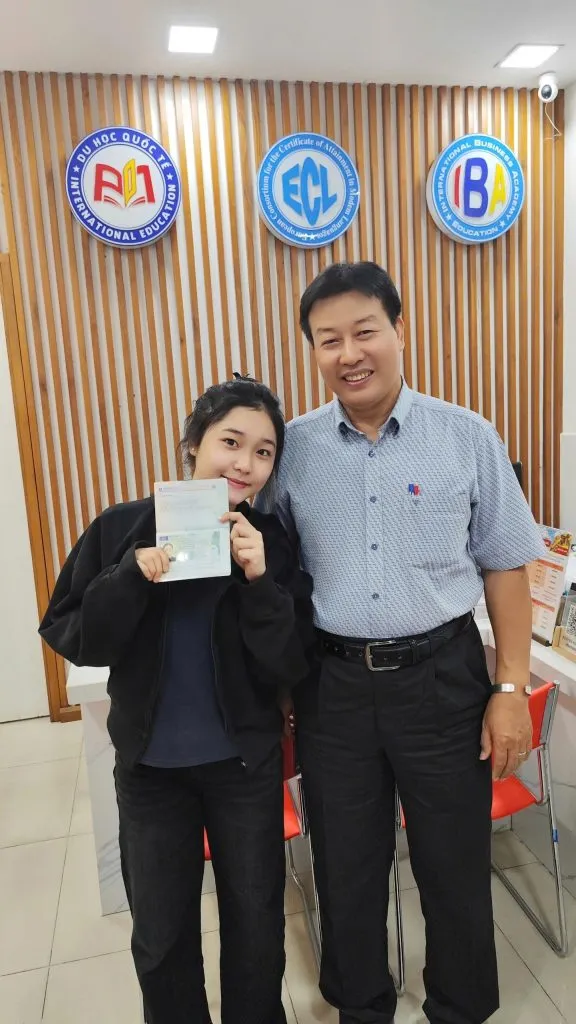
A real story from a student at a German study abroad center named Le Thu Trang shows that this journey is not a distant dream. Trang comes from a coastal province in Vietnam, starting with a 6-month German language course at a partner in Vietnam. She said that having a teacher and a companion from the beginning helped her feel more confident when participating in specialized courses.
After 9 months of studying and practicing the language, Trang passed B2 and was accepted into an Ausbildung program at a hospital in a city in Eastern Germany. During 3 years of training, Trang both studied and interned, gaining experience in caring for patients in an experiential and practical way. After completing the course, she received a job contract and applied for long-term residency. About 2 years after starting formal work, Trang was granted a permanent residence card and now she works in the elderly care department, while also participating in language improvement and professional skills programs.
Trang shared: “At first I was worried about the language and working culture, but thanks to the PDT German study abroad center's guidance and practical internships, I adapted quickly. The important thing is that you have a clear plan for each stage and persevere.” According to a 2024 internal survey from recruitment and vocational education partners in Vietnam, more than 70% of students said they have the opportunity to find a suitable job after completing the course and participating in internships in Germany. This is a reliable signal that the nursing vocational study abroad roadmap can come with settlement opportunities if you are persistent and prepared early.

Benefits and Challenges of nursing study in Germany
Outstanding benefits:
– Opportunity to work in a highly-regarded healthcare system in Europe with professional respect and a structured training system.
– Starting with a solid German foundation and interning at care facilities, helping you have professional skills and professional communication from the beginning.
– Opportunity to apply for residency after having a stable job and employment contract, opening doors for a long-term life in Germany.
Practical challenges:
– High language and professional skill requirements, especially German at B2 level or higher for the vocational exam.
– Pressure to adapt to the pace of life and workflow in Germany, including safety regulations and patient care standards.
– Cost of studying and living when moving for settlement, as well as the challenge of finding accommodation and stabilizing the family. – Practical advice to overcome challenges:
– Start learning the language early, prioritizing listening – speaking – reading – writing according to professional standards.
– Participate in exam preparation courses and meetings with predecessors to clearly understand the workflow and workplace culture.
– Create a financial and time plan for each stage, from language learning to internships and job hunting.
Proposed roadmap and specific actions
For easy visualization, below is a brief overview table of the nursing vocational study roadmap in Germany. The table aims to provide a reference timeframe; actual details will depend on each program, state, and individual circumstances.
| Stage | Main Activities | Estimated Time | Achieved results |
|---|---|---|---|
| Phase 1 | Choose a German study abroad center to learn German and prepare documents | 6-12 months | German language certificate at the appropriate level (B1-B2); Documents ready. |
| Phase 2 | Apply and enroll in nursing vocational training (Ausbildung) | 12-36 months | Vocational nursing certificate; Internship at a German medical facility. |
| Phase 3 | Complete the course and find a job, apply for residency | 25-36 months after starting work | Stable employment contract; Apply for long-term residency and have an income. |
– Specific action recommendations:
– Register for an intensive language course before starting school in Germany.
– Contact a recognized German study abroad unit/center/partner for document advice and early preparation.
– Monitor application deadlines visa and document requirements of each state to avoid delays.
Preparing the journey with a German study abroad center
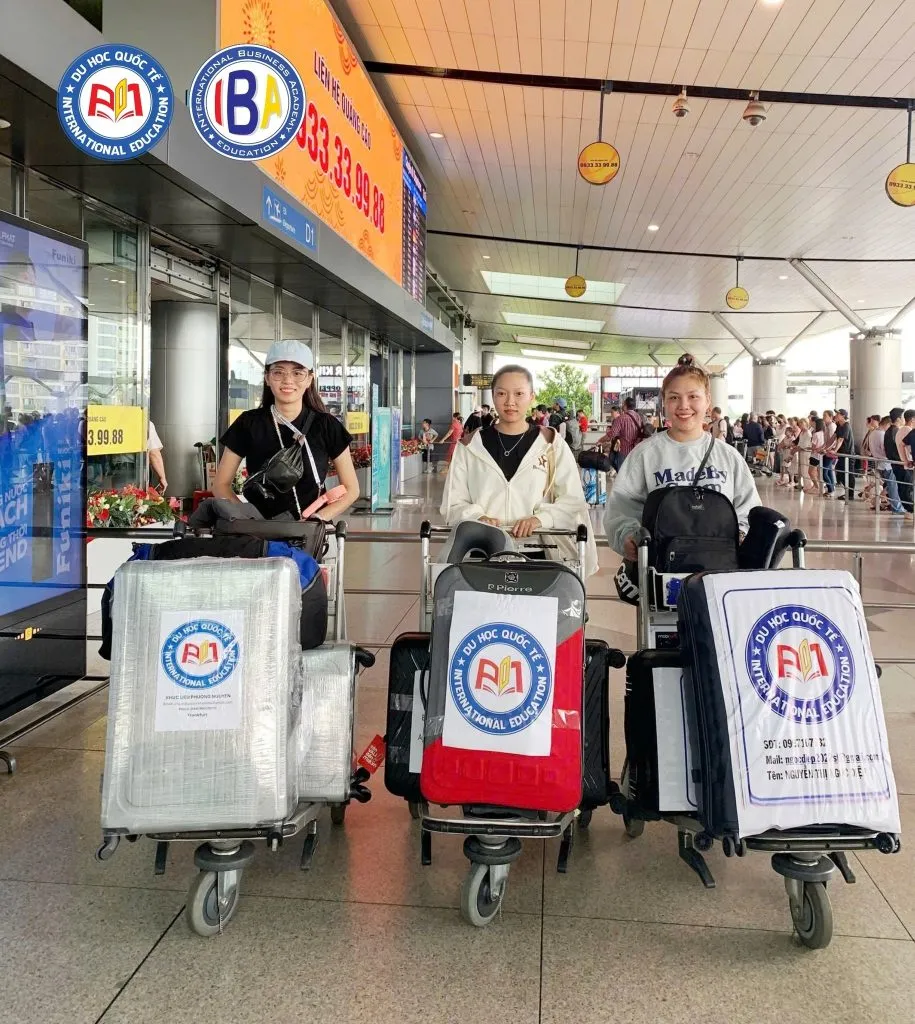
Nursing vocational study in Germany is not just a course; it is a journey of learning how to care, manage time, and work effectively in a team within an advanced medical system. Success does not come from a one-time decision but from continuous preparation at every step: language, internship, and choosing a supporting German study abroad center, residency plan. If you are considering this roadmap, start with a small but pivotal step: clarify your language goals and the time you can spend on weekly practice. Having a specific plan will reduce stress and increase the likelihood of success. At the same time, find a reliable address for advice and to perceive the real challenges you may encounter. You are not alone on this journey. Many students have gone before and have real success stories.
The important thing is that you understand the goal, have preparation, and receive timely support from vocational education partners and reputable consulting units. If you want to start with a specific consulting step and have answers to your own questions, you can contact a reputable center in Vietnam for detailed guidance. They will help you build a personal roadmap suitable for your ability, family conditions, and financial plan.

Conclusion on choosing a German study abroad center
Let's look at it from reality: the roadmap from 0 to settlement is not an easy matter, but with thorough preparation, perseverance, and support from a reliable German study abroad center, it can become a success story. Those who went before have proven it with specific examples and the path they took. You can start by identifying language goals and learning more about nursing vocational training programs in Germany.
Take time for a talk with a consultant to understand what you need to prepare and the next steps. This can become the starting point for your journey – a journey with rhythm, challenges, and real achievements, not just a promise. Final note: This article is written to provide practical information, balancing opportunities and challenges. Each event and time may change according to local regulations and actual situations. Please consult relevant training units and partners to update the latest information and build a plan that suits you.