

Applying for a German vocational study visa is not just a signature on a file, but a systematic preparation process from defining goals to setting foot in Germany. Each step requires patience and a clear plan. This article shares a practical perspective from a German vocational study consultancy in Vietnam, with the desire to help you see opportunities while identifying challenges and how to overcome them. According to experience from PDT International Education – a reputable German study abroad center will help your journey succeed if you know how to plan and persistently implement each step.
Starting the journey – Defining goals, choosing programs and languages
The starting point of the German vocational study visa journey is identifying clear career goals and choosing a program that suits the labor market needs in Germany. The famous dual system allows you to both learn theory at school and practice at a business, helping to accumulate practical experience and income during the learning process.
Some popular occupations chosen by Vietnamese students include:
- Mechanical engineering, automotive, electrical – electronics
- Logistics and food safety
- Healthcare (Pflege)
Depending on the profession, you will need different skills: mechanical/automotive industries need a strong math – physics foundation and practical skills; the healthcare industry requires language proficiency and patience in communicating with patients.

The Role of a Reputable German Study Abroad Center in the Ausbildung Visa Journey
A reputable German study abroad center acts as a strategic companion throughout the vocational study preparation process. Not only supporting career orientation according to human resource needs in Germany, the center also helps you check the recruitment criteria of businesses, prepare appropriate documents and ensure the training contract (Ausbildungsvertrag) meets visa requirements. In addition, you are guided through interview practice, reviewing documents according to the Embassy's standard checklist and monitoring progress step by step. Thanks to that, the visa application journey becomes clear, reducing errors and increasing the chance of visa approval from the first application.
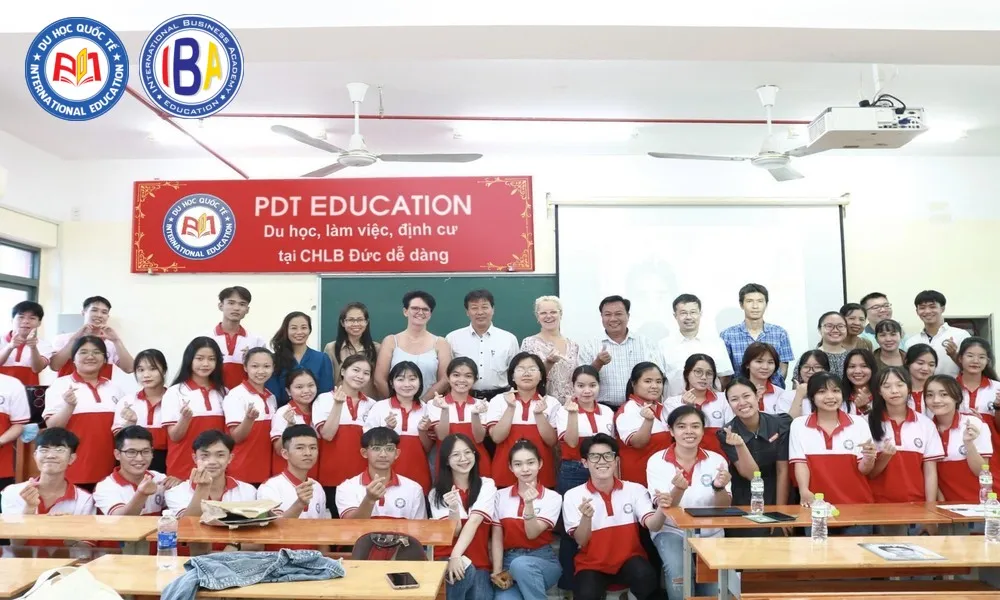
Benefits and challenges when applying for a German vocational study visa
Benefits
- Learn under the dual system: both studying theory and working at a business.
- Income during study time and job opportunities after graduation.
- Develop soft skills and German language in a real working environment.
Challenges
- Language requirements before starting the program can be high, depending on the industry and the recruiting company.
- The process of finding recruitment partners can take time and requires standard documents.
- Financial requirements and paperwork have many steps, which can easily cause pressure when planning.
Practical advice
- Start early: find a recruiting company and sign a training contract as soon as possible.
- Invest in language before leaving Vietnam: a B1 goal is reasonable for many vocational programs in Germany.
- Prioritize occupations with high recruitment demand in Germany and suitable for personal capacity.

Preparing documents and visa interviews – A realistic roadmap
The German vocational study visa application is not just a collection of papers, but a story of preparation for a specific career goal. The support unit usually starts with you obtaining a training contract from a company in Germany. This is the decisive factor for you to be able to apply for a visa and be licensed to study and work long-term in Germany.
Preparation stage
- Find and receive a signed Ausbildungsvertrag from a company in Germany in your chosen field.
- Ensure you have the appropriate language certificate (usually B1 in the CEFR framework or equivalent).
- Prepare documents: valid passport, passport photos, transcripts and degrees, CV in German/English, recommendation letters and health insurance certificate.
- Prove sufficient finances to cover living and studying costs in Germany.
- Register and submit documents at the embassy or consulate in Vietnam, and prepare for the interview.
Reference table for a typical application package
| Category | Content to prepare | Note |
|---|---|---|
| Passport | Valid for at least 12 months; notarized copy (if required) | Prepare before submitting documents |
| Ausbildungsvertrag | Training contract from a company in Germany | Must be clear about time, job description and minimum salary |
| Language certificates | B1 certificate or equivalent | Can be proven by an exam or certificate |
| Financial proof | Documents proving payment of costs | Must have documents proving readiness to pay living and tuition fees |
| Degrees and transcripts | Fully certified copies | Translated into German or English |
| Health report | Health insurance (mandatory condition) | Mandatory according to visa regulations |
| CV and recommendation letter | CV in German or English and recommendation letter | Write concisely, clearly stating career goals |
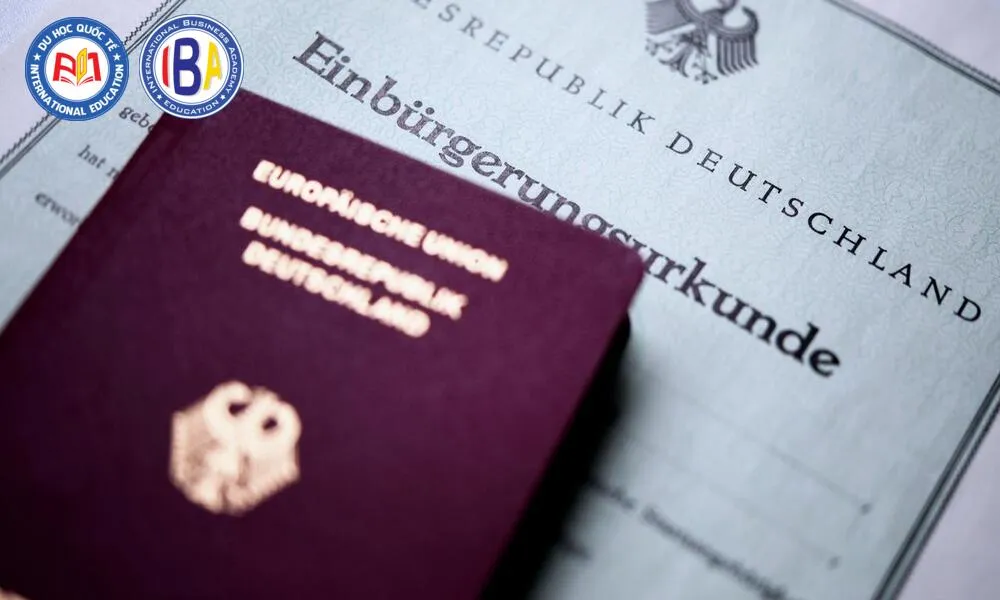
Real advice tế
- Prepare the language before participating in the job search process: a B1 goal or equivalent is reasonable for many training programs in Germany.
- Contact reputable and recognized recruitment partners to increase chances of receiving an Ausbildungsvertrag.
- Monitor each milestone: interviewing, receiving the contract, submitting the visa application and the interview appointment at the German embassy in Vietnam can take place according to each year's own cycle.
Student stories and real-world evidence
To give you a clearer sense of this journey, below is an illustrative story from a student who went through the preparation and application process for a German vocational study visa.
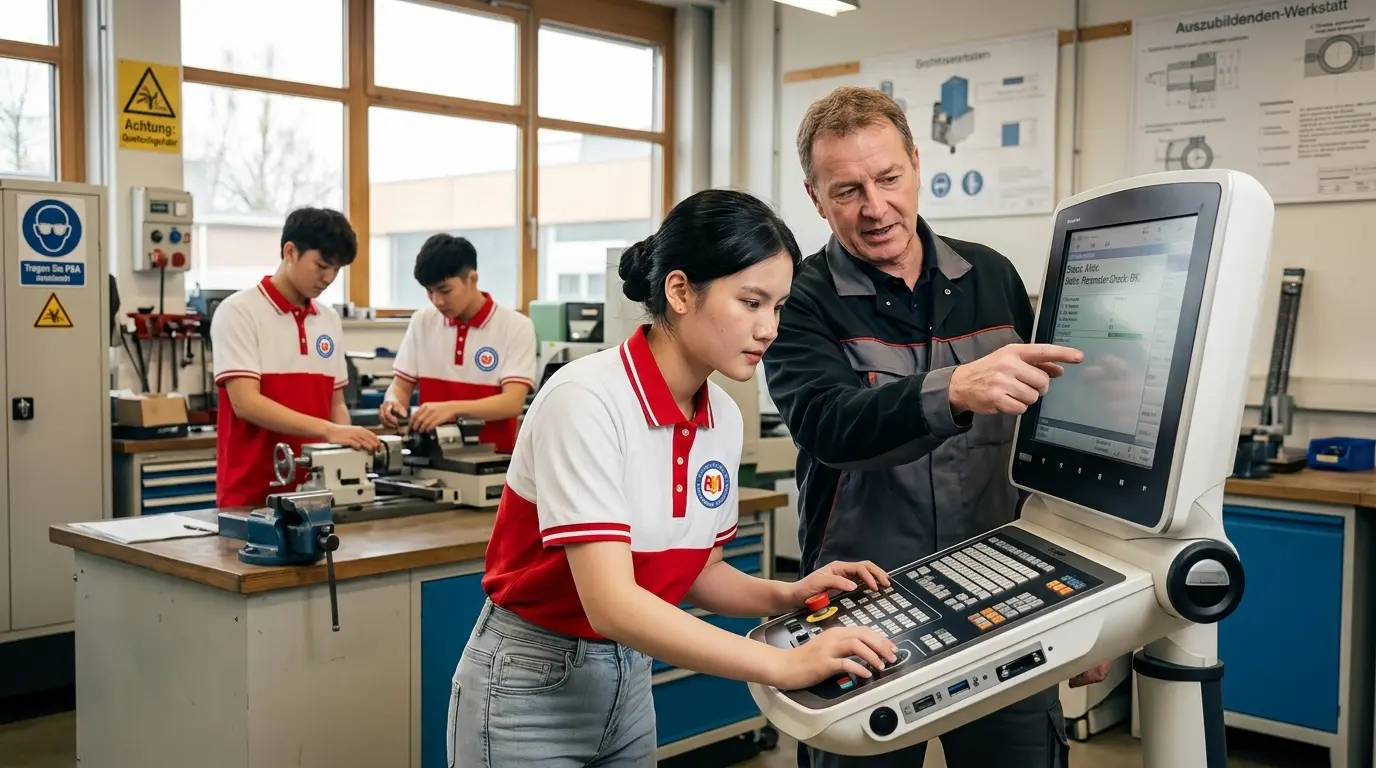
Huyen's story – from Hanoi to a mechanical workshop in Düsseldorf
Huyen started with a dream of living independently and working in Germany. She attended a language course, learned about the Ausbildung system, and received an Ausbildungsvertrag from a mechanical company in Western Germany. The application included a B1 certificate, financial proof and academic records translated into German. Thanks to the patience and support from a reputable German study abroad center, Huyen successfully applied.
When moving to Germany, she had to adapt to the culture and working environment. After 6 months, Huyen completed the course and received a long-term contract at the mechanical company, becoming a valuable staff member in the German market.
Lessons learned:
- Having a clear Ausbildungsvertrag is the key factor for a visa application.
- Language is the key, but one should not overlook learning how to communicate and work in a real environment.
- Support from a reputable German study abroad center helps shape the roadmap and prepare documents effectively.
According to 2024 internal data from the consulting unit, more than 70% of students have a clear career plan before submitting their application and achieve positive signals from the visa-issuing agency. This shows the importance of choice and the companionship of an experienced reputable German study abroad center unit when you start your journey.
Practical advice
- Clarify goals and choose a profession that suits the needs of the German market.
- Prepare documents early and use a checklist to avoid missing papers, especially the Ausbildungsvertrag and language certificates.
- Contact a reputable German study abroad center for advice on the study roadmap, training programs and visa applications.

Conclusion
The German vocational study visa journey requires patience and a realistic plan. Understanding the cycle from defining goals, preparing documents, to receiving a visa and starting work in Germany will increase the chance of success. Each successful student starts with a small decision: proactively preparing, finding opportunities, and accompanying a reputable German study abroad center.
Start today: talk to someone with experience, make a list of steps to take, and turn the dream of studying abroad in Germany into a realistic and meaningful journey.