

Standard PDT German A1 Curriculum: A Methodical Roadmap for Working in Germany
For Vietnamese people with the desire to work in Germany, the journey should start from the foundation of the German A1 curriculum and gradually expand to standard vocational skills. This article shares how a methodically designed learning roadmap can help you both master the language and equip yourself with the necessary skills to penetrate the German labor market. A perspective from PDT International Education will help you visualize each step, from greetings to job interviews and how to get used to German office culture.
Part 1: Outlining the German A1 curriculum to practical communication
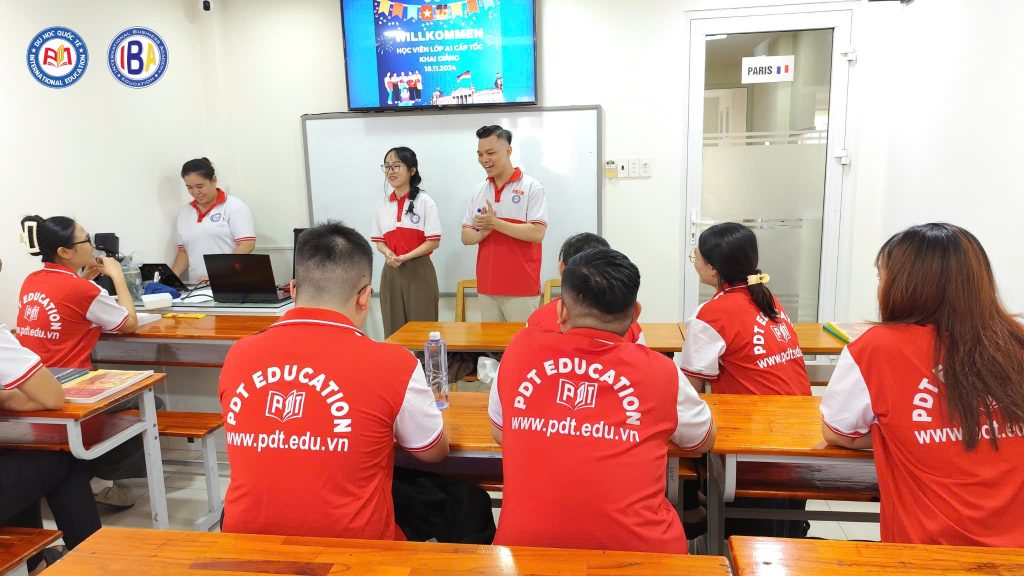
Learners start by mastering pronunciation, the alphabet, and basic sentence patterns. At the German A1 curriculum level, you will be introduced to everyday situations such as introducing yourself, asking for directions, making appointments, and short descriptions of yourself. As you progress to A2, grammar and vocabulary are expanded so you can exchange information in simple situations related to work, family, and housing. By level B1, you will confidently read and listen to short texts about work, write short emails, and participate in discussions at a basic level.
- German A1 curriculum: Basic pronunciation, alphabet, greetings, self-introduction, numbers, and sentence patterns for daily life. Listening and speaking skills at a level sufficient to start communicating in simple contexts.
- A2: Communicating in daily situations at work and home; short descriptions of yourself and family; brief introduction of work experience; understanding and writing short emails.
- B1: Reading and understanding short texts related to work, dialogues in the work environment, writing basic professional emails and messages; developing listening comprehension skills in simple vocational situations.
To concretize the progress, below is a typical roadmap framework that German programs in Vietnam often weave together. The table below illustrates a 6-month plan, combining grammar, vocabulary, communication practice, and mock exams to check progress.
| Time | Learning content | Skills achieved |
|---|---|---|
| 0-1 month | Basic pronunciation, letters, greetings, self-introduction | Basic communication, confidently introducing yourself and responding to familiar questions |
| 1-3 months | Basic grammar (clauses, prepositions, present tense), describing yourself and current job | Communicating in work and daily life situations |
| 3-5 months | Reading and understanding short texts, writing office emails and messages, listening practice in the work environment | Ability to grasp basic information and exchange in work contexts |
| 5-6 months | Review and exam preparation at A2-B1 level, simulating job interview conversations | Achieve level foundation and confidently participate in short interview situations |
According to 2024 data from German programs in Vietnam, more than 70% of students starting from the German A1 curriculum reached A2 or B1 level after 6-9 months of planned practice and regular practice. These figures reflect the importance of systematic practice and participating in practical activities such as interview simulations or group discussions.
Part 2: Preparing for employment in Germany and the role of student stories
Working in Germany not only requires language proficiency but also an understanding of the culture and work habits of a European country. An effective German program will connect language with vocational skills such as writing a German CV, short presentations, job interviews, and communication in a multilingual environment. Below are the essential elements and a specific example from a student.
Student stories
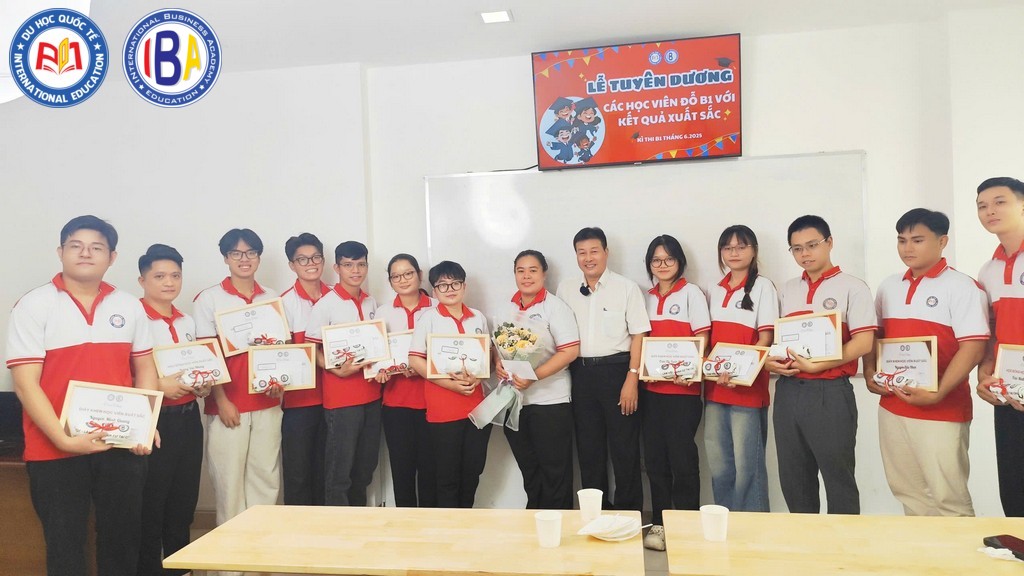
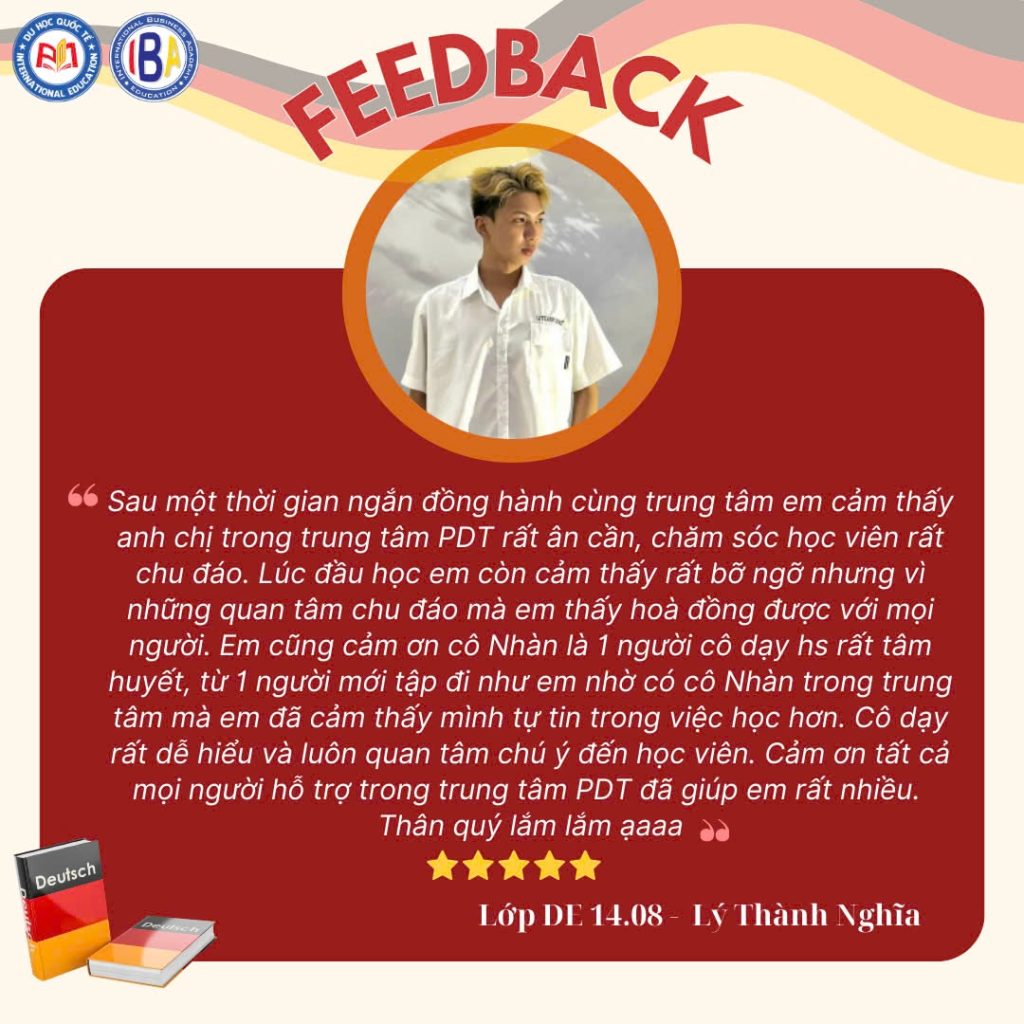
Nam, 32 years old, from Bac Ninh, started his German A1 curriculum journey with a dream of working in the engineering field in Stuttgart. After 8 months of study and participating in practical listening and speaking sessions, he encountered a short internship opportunity at a local factory. Although he initially faced difficulties with technical terminology and the fast speaking pace of Germans, Nam patiently practiced listening to short segments, joined discussion clubs, and wrote emails to his superiors in German. The result was that after 8 months, he confidently participated in an interview and received an internship position with a temporary work card for 6 months. Nam's story shows that patience, systematic practice, and support from an educational unit connected to the German labor market can create real progress.
Practical advice
- Prepare a CV and cover letter in German from the first months of study. State clearly your practical experience and current language level, accompanied by specific examples.
- Practice listening and responding through job interview simulations. This helps you get used to the speaking rhythm of Germans and how to answer common interview questions.
- Participate in real-life situations such as making appointments, asking for directions, describing jobs, and requesting support in German within your professional context.
Observations from educational units show that the link between language and vocational skills plays a key role. For example, when students practice according to real-life situations (such as writing emails to recruiters or reading and understanding job descriptions in German), they not only master grammar but also identify specialized vocabulary and how to use them in the right context. This is why German programs with integrated vocational skills are highly valued by many partners in Germany.
Part 3: Benefits and Challenges associated with the German A1 curriculum study plan for career goals
Benefits
- Ability to communicate in the German working environment: from brief exchanges to technical discussions at a basic level.
- Understanding of office culture and working processes of German enterprises, helping to minimize culture shock when working or participating in overseas internships.
- Ability to read and write emails and company documents in German, serving job applications and work agreements.
- Broader career opportunities: many German enterprises in Vietnam and Europe have a demand for recruiting people with German certificates and corresponding vocational skills.
Challenges and how to overcome them
- Volume of language and technical terminology: Sometimes grasping specialized terminology becomes difficult. Solution: spend time practicing with actual materials from your industry, join groups reading office documents in German, and practice interview simulations with professional terminology.
- Speaking rhythm and pronunciation: Germans speak fast and have a specific rhythm that can easily make learners lose their pace. Solution: practice listening 15-20 minutes daily with podcasts or short videos, then summarize in German and repeat by saying each sentence again.
- Work culture and recruitment process: Cultural differences can cause confusion when participating in interviews or group discussions. Solution: research information about interviews in Germany beforehand, practice short presentations and how to present opinions calmly.
In practice, an effective program will connect language with real-world experience. For example, when students participate in interview simulation activities and write CVs in German, they not only learn grammar but also know how to present themselves, how to talk about experience and career goals persuasively. Therefore, the balance between language and vocational skills is the deciding factor for success on the road to employment in Germany.
Conclusion: Accompanying you on the journey from the German A1 curriculum to German employment
Starting from the German A1 curriculum can be a challenge, but with a clearly structured and practical roadmap, you can turn distant goals into reality. From grasping pronunciation, building vocabulary and basic grammar to preparing for interviews and understanding German office culture, every step is meaningful and can be practiced with results. The team at PDT International Education will support you in every step of learning: from choosing a program suitable for your career goals to suggesting useful resources and practice exercises.
If you are starting from the German A1 curriculum and want to see a specific roadmap for yourself, refer to partners and German programs designed to increase competitiveness in the German job market. Learning a language is not just about mastering letters and sentences but also about how you talk about yourself, describe your work, and interact in an international office environment. With patience, regular training, and appropriate support, you can move closer to the goal of working in Germany.
Additionally, 2024 data shows that many students starting from A1 have made clear progress within 6-9 months, a testament that a structured study plan and practical practice will bring real results for your career. If you want to discuss your goals and receive academic advice based on your personal situation, contact our partners or a trusted unit in the region. The team at PDT International Education will be ready to share information from programs suitable for you, helping you confidently enter the journey of learning German and heading towards employment in Germany.