

Germany is famous for its system Vocational Training – sự kết hợp chặt chẽ giữa học lý thuyết tại trường sư phạm nghề và thực hành tại doanh nghiệp. Mô hình này giúp người đi học nghề tại Đức nhanh chóng tích lũy kỹ năng, có thu nhập và có cơ hội làm việc sau khi tốt nghiệp. Bài viết dưới đây tổng hợp các ngành học nghề tại Đức được ưa chuộng nhất cho người Việt mong muốn học nghề tại Đức; đồng thời đề xuất lộ trình và lời khuyên cụ thể để đi học nghề một cách thực tế và hiệu quả. Thông tin được chia sẻ từ góc nhìn của PDT International Education – đơn vị tư vấn du học nghề Đức tại Việt Nam.
The most attractive industries in Germany for foreign students
The list below reflects current recruitment trends and high-skilled labour demand in Germany. These occupations all combine company-based training and vocational school (Berufsschule), allowing learners to study while working and receive remuneration throughout the training period.
- Healthcare and nursing (Pflegefachkraft) – Ngành này luôn có nhu cầu tuyển dụng ổn định do dân số già và yêu cầu chăm sóc y tế tăng cao. Môi trường làm việc đa dạng từ bệnh viện, trạm y tế đến các cơ sở chăm sóc người cao tuổi. Yêu cầu ngôn ngữ ở mức B1-B2 và sự kiên nhẫn, tỉ mỉ trong công việc.
Practical examples show that many Vietnamese students have been accepted into nursing programmes in western and southern regions of Germany, with opportunities to study specialised German language directly at their workplaces.
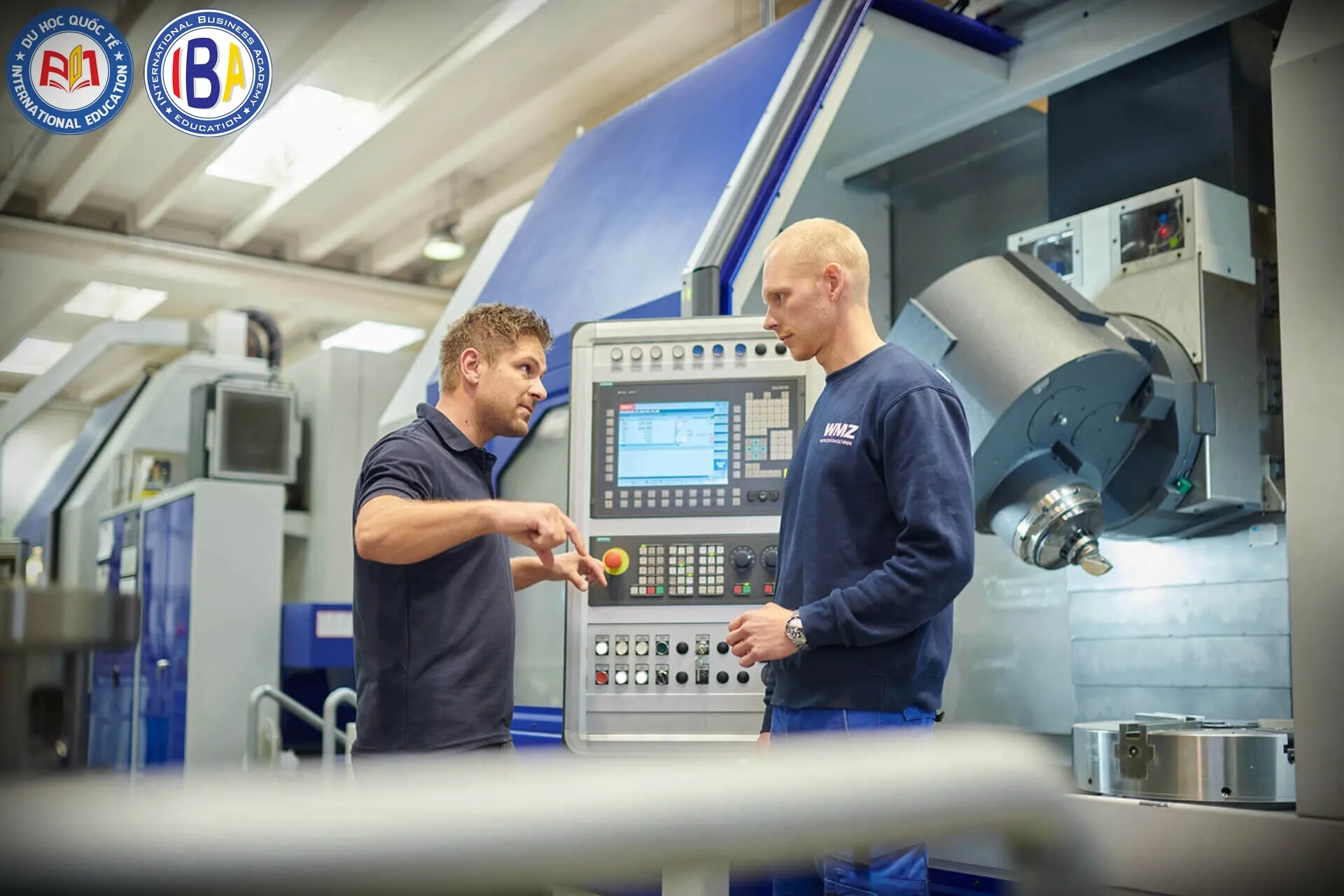
- Mechanical Engineering & Automation (Mechatroniker, Industrial Mechanic, Mechanical Engineering) – Đây là nhóm ngành mạnh về dây chuyền sản xuất, lắp ráp máy móc và cải tiến quy trình. Thời gian Ausbildung thường 3-3,5 năm, với mức lương khởi điểm hấp dẫn ở nhiều công ty sản xuất ô tô, cơ khí chính xác và ngành công nghiệp mới.
- Điện – điện tử và tự động hóa công nghiệp (Elektroniker, Elektroniker für Energie- und Gebäudetechnik) – Nghề liên quan đến lắp đặt, bảo trì hệ thống điện, điện tử và hệ thống tự động. Lộ trình Ausbildung thường 3-3,5 năm, kèm kỹ năng làm việc trong nhà máy và công trình xây dựng. Tiếng Đức được nâng lên mức B1-B2 trong quá trình học.
- IT Engineering and Software Development (IT Specialist, IT Systems Management Assistant) – Ngành công nghệ thông tin đang lên mạnh, đặc biệt ở các thành phố lớn như Berlin, Munich, hoặc Hamburg. Thời gian học thường 2-3 năm, với cơ hội việc làm sau tốt nghiệp rất cao do nhu cầu thị trường lớn. Yêu cầu tiếng và kiến thức căn bản về logic, lập trình.
- Hotel, tourism and gastronomy services (Hotelfachmann/-frau, Fachmann/-frau für Systemgastronomie) – Ngành này phù hợp với người thích giao tiếp và vận hành dịch vụ khách hàng trong môi trường quốc tế. Ausbildung kéo dài khoảng 3 năm, với mức lương khởi điểm hợp lý và cơ hội thăng tiến trong chuỗi khách sạn, resort hoặc doanh nghiệp dịch vụ.

For quick reference, below is a summary table of the training framework and career advancement prospects of some typical industries:
| Major | Ausbildung Framework | Minimum language requirement | Employment rate after training |
|---|---|---|---|
| Healthcare (Pflegefachkraft) | 3 years | B2 | >70% |
| Mechatronics / Industrial Mechanic | 3-3.5 years | B1-B2 | ~75% |
| IT Specialist | 2-3 years | B1-B2 | ~80% |
| Hotel specialist woman/man | 3 years | A2-B1 | ~65% |
In practice, many German companies value the flexibility and comprehensive approach that combines theory and practice when recruiting international learners. According to 2024 data from education sector and German labour market reports, more than 70% of learners who complete an Ausbildung programme at a company are offered employment after graduation.
Effective guide to studying vocational training in Germany: from ideas to real-world insights
Studying vocational training in Germany is not only about learning a profession; it is a journey of acquiring standardised professional skills recognised across Europe. Below is a practical roadmap that many students have applied, helping the preparation and application process proceed more smoothly.
Understand the Ausbildung framework and choose a suitable programme
- First, identify the field you are interested in and consider its suitability with your educational background, language skills, and personal strengths. For example, if you love technology and problem-solving, the Fachinformatiker or Mechatronik fields may be suitable choices.
- Next, look up Ausbildung programmes with apprenticeship contracts (Ausbildungsvertrag) and connections with businesses. The consulting unit's partners can help you review your documents, adjust your CV to German standards, and prepare a motivation letter (Motivationsschreiben).
- Finally, compare courses based on duration, living costs, internship opportunities, and the possibility of progressing to a higher level of education if you want to continue your study path in Germany.
Prepare language skills and certificates
- German is a key factor. You should aim to achieve at least B1 before starting the application process and B2 before beginning your internship if possible. Many programmes require German language certificates issued by recognised educational institutions or certificates from Goethe-Institut.
- In addition to language skills, prepare specialised English or German skills if required by the programme.

Preparing finances and the visa process
- The actual cost of living in Germany depends on the city and region. Large cities such as Berlin, Munich, and Hamburg have higher living costs compared to smaller cities. You need to plan your finances for accommodation, food, transportation, and health insurance.
- The visa process for Ausbildung usually involves signing a work contract (Ausbildungsvertrag) with a company in Germany, proving financial ability and ensuring participation in the vocational training programme. If you are a non-EU citizen, an electronic passport and study visa may be part of the procedure; in many cases, you need to prepare documents confirming accommodation and health insurance.
Practical advice from real recruitment experience
- Prepare a CV and motivation letter according to German standard templates. The CV should be concise and clear, highlighting practical experience (internships, projects, academic activities) and language skills.
- Contact companies that recruit for foreign-language positions and offer Ausbildung programmes for international students as early as possible. Sometimes, a brief conversation with a hiring manager can help you understand the requirements and recruitment timeline throughout the year.
- Attend information sessions (Infoveranstaltungen) organised by vocational schools or consulting partners to familiarise yourself with the Bewerbung process, team building and working culture in Germany.
Benefits and challenges
- Benefits: receive a salary during the study period, have job opportunities after graduation, and the ability to develop a career in the European labour market. A practical working environment with modern equipment helps learners quickly acquire practical skills.
- Challenges: language barriers and workplace cultural differences, increasing competition for attractive programmes, and the requirement to prepare complete and standardised documents before the admission period. The important thing is that you need a structured German learning plan and prepare your documents early.
- Solutions and advice: seek support from reputable consulting partners for competency assessment, suitable career recommendations, and assistance with preparing documents; participate in specialised German language courses from an early stage; plan finances before applying for a visa and prepare all required documents according to each programme's requirements.
Support framework and the role of the centre/consultant

German career consulting organisations in Vietnam often provide:
- Evaluate career goals and fields that match the personal profile.
- Prepare a CV, motivation letter, and language documents according to German standards.
- Detailed information about vocational schools and businesses offering Ausbildung programs for foreigners, as well as support with the registration process and visa application.
- Support after enrollment, such as connecting with businesses, advising on accommodation choices, and addressing issues related to life in Germany.
Conclusion and invitation to join the German vocational training journey from PDT
Studying vocational training in Germany is a combination of personal effort, thorough preparation, and the support of reputable partners. With the right strategy and patience, you can turn your dream of studying vocational training in Germany into a success story, opening up opportunities for stable employment and career development in an increasingly globalised labour market.
If you are looking to learn more about the vocational fields that are currently of interest in Germany and would like specific advice for your situation, you can contact the partners of PDT International Education in Vietnam to receive detailed information and a suitable pathway. We always encourage you to access information from reliable sources and look for practical evidence of the success of students who have participated in Ausbildung programmes.
Start with small steps: choose a field you are truly passionate about, carefully prepare your language skills and documents, then attend information sessions or contact a reputable consultancy unit directly to receive suggestions that suit your circumstances.
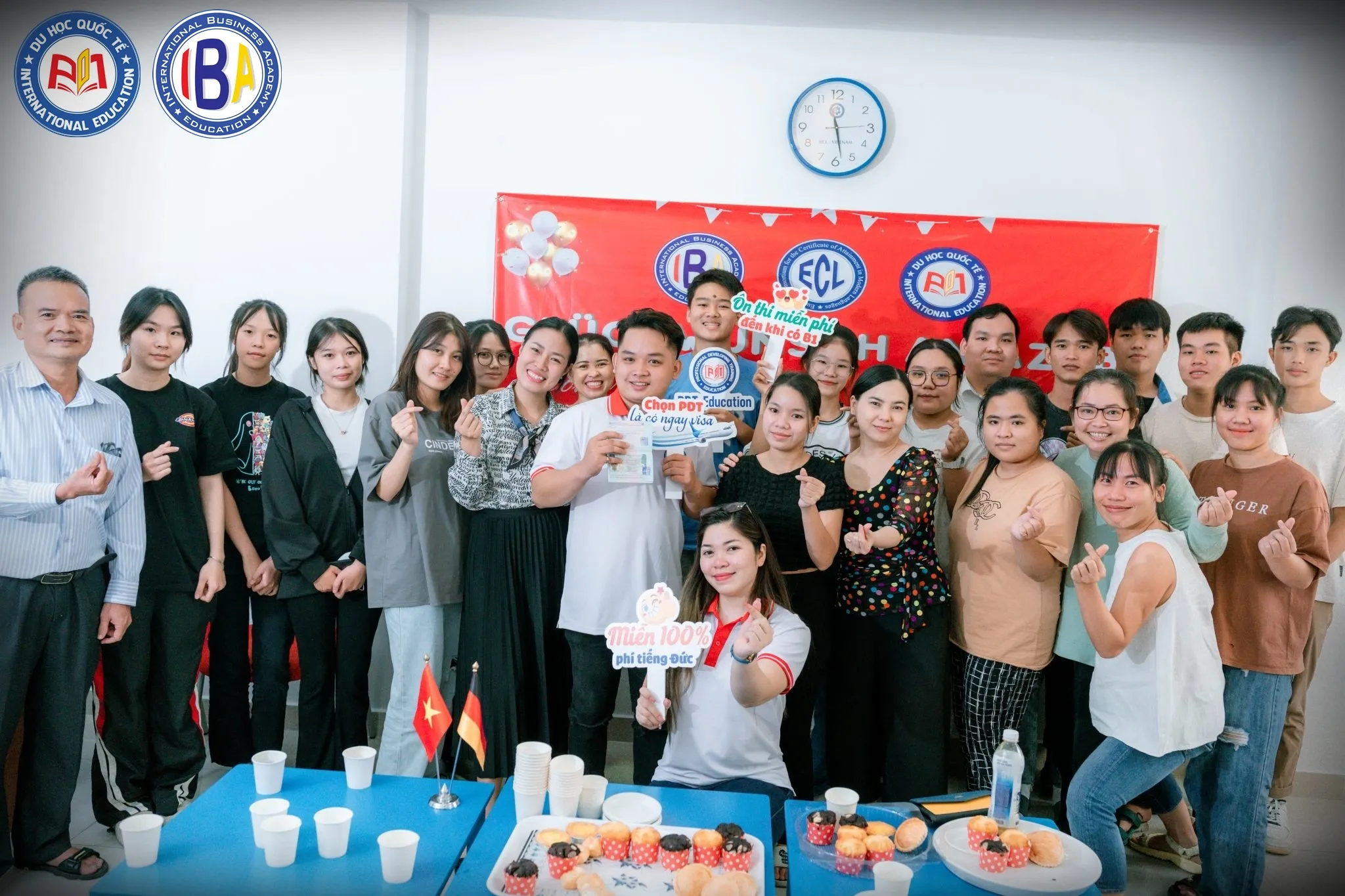
We hope this article provides you with a practical, informative, and inspiring perspective to confidently begin your vocational training journey in Germany with a clear direction. If you would like specific support regarding documents, pathways, and available programmes, please contact a partner of a vocational education service provider in Vietnam for detailed advice tailored to your personal circumstances.