

In recent years, “mechanical engineering vocational training in Germany” has become the most searched phrase in the technical sector. It is no coincidence that mechanical engineering in Germany is considered the “backbone” of European industry. From automobile production, automation, and machine manufacturing to industrial robots – all require a highly skilled force of mechanical technicians. Given the prolonged labor shortage, the German Government has expanded many policies to attract young workers from other countries, especially Vietnam.
If you are weighing your career paths, this article will help you better understand the vocational training program in Germany, job opportunities, income levels, and why mechanical engineering is always in the top fields to study.
Why should you choose vocational training in Germany for mechanical engineering?
Germany – The “cradle” of the world's leading mechanical engineering industry
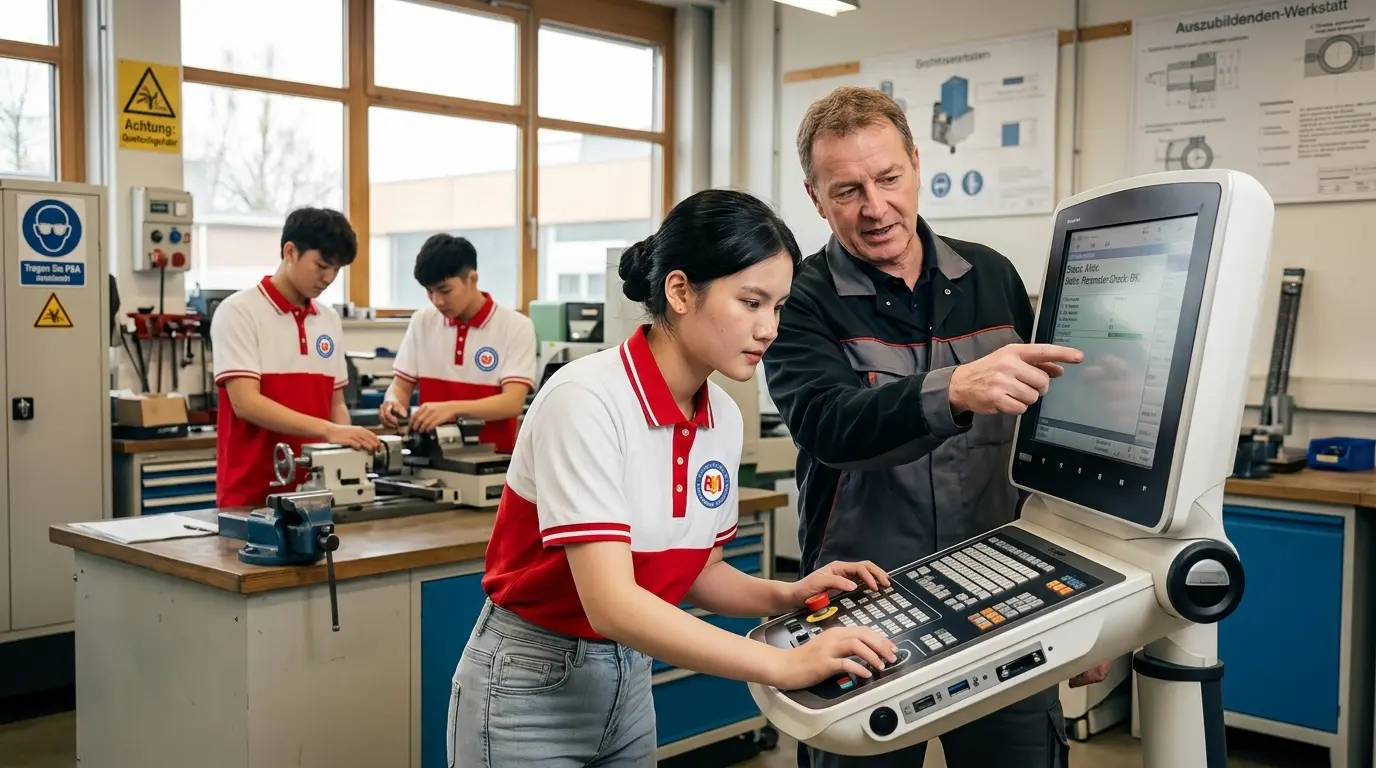
When thinking of Germany, people immediately think of precision, advanced technology, and high training standards. Giant corporations such as BMW, Mercedes-Benz, Siemens, Bosch… all have high recruitment needs for mechanical engineering every year. The quality of vocational training in Germany is rated as top-tier in Europe with the dual system model (Dual System) – combining 30% theory and 70% direct practice at enterprises.
This helps students master their skills, avoids purely theoretical learning or “pointing the way for the deer to run,” and provides training in exactly what businesses need.
No financial proof required
Unlike many other study abroad programs, vocational training in Germany for mechanical engineering does not require families to have savings books worth hundreds of millions or proof of income. The initial costs are only at a moderate level, suitable for the majority of Vietnamese families. This is a great advantage that helps many young people have the opportunity to reach their European dream.
Receive a salary while studying
When participating in a vocational program in Germany, students receive an internship salary from 1,000 – 1,200 EUR/month, which increases annually. This income is enough for you to cover daily living expenses without depending on your family. This is a complete difference compared to self-funded study in countries like the UK, Australia, or Japan.
Guaranteed employment after graduation
With the severe shortage of human resources in the technical sector, job opportunities after graduation are nearly 100%. Graduates can choose to work full-time, sign long-term contracts, or move to higher professional positions if they continue to upgrade their qualifications.
>>> See more: Vocational Training in Germany: Opportunity for a Solid Career
Vocational training program in Germany for mechanical engineering
The training program lasts from 3 – 3.5 years, depending on the school and the partner enterprise. The curriculum is divided into two main groups: theory and practice.
Theory at vocational school
You will learn important foundations such as:
- Machine principles
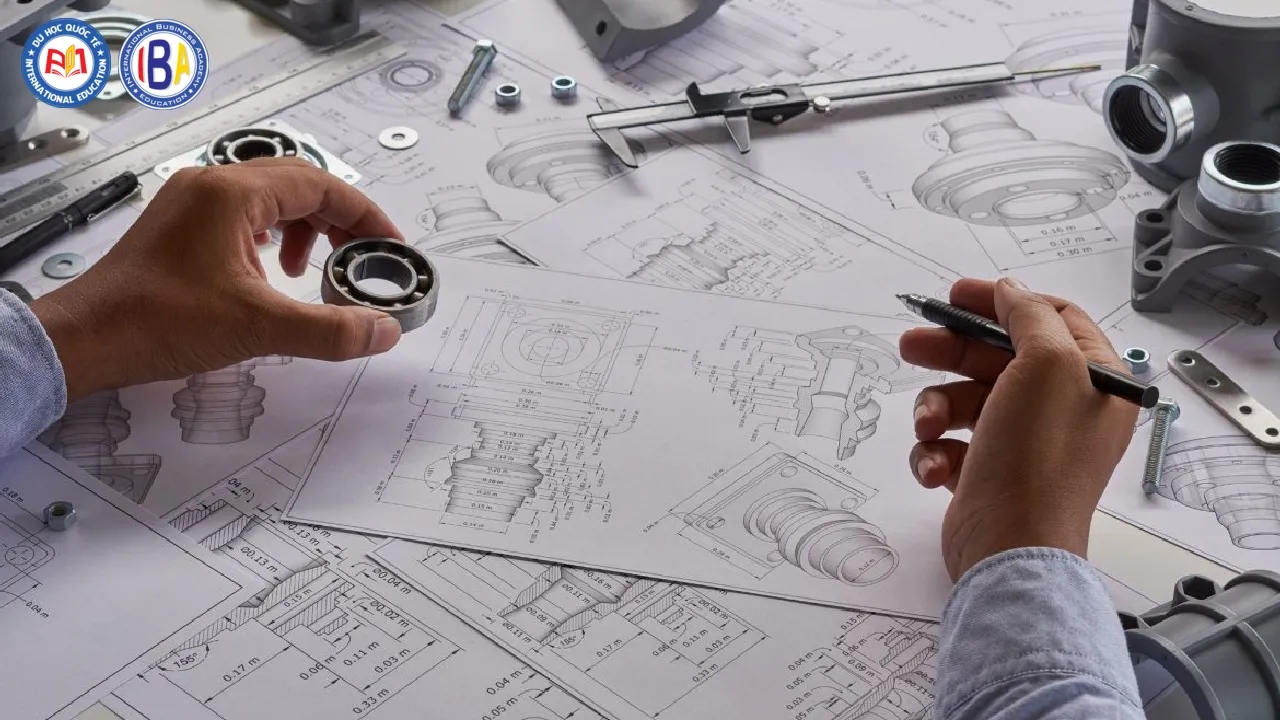
- Technical drawing – mechanical design
- Materials technology
- Hydraulic and pneumatic systems
- Automation control
- Basic mechatronics
Although theory does not take up most of the time, it helps students master fundamental knowledge and how to operate modern machinery systems.
Practice at enterprises
This is the most important part, accounting for more than 70% of the training time:
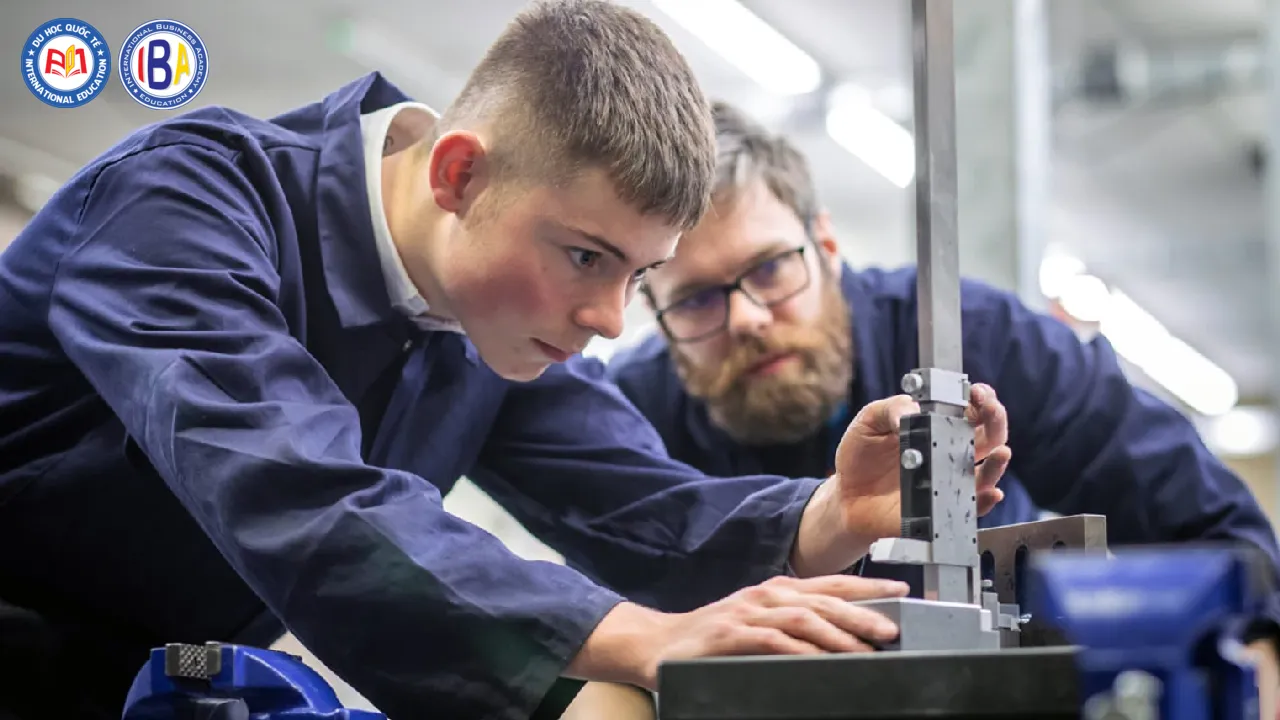
- Mechanical processing: turning, milling, welding, CNC
- Assembly and maintenance of industrial machinery
- Operation of automated lines
- Testing – product quality assessment
- Participation in actual production at the workshop
Students work directly with engineers and technicians at the enterprise, helping to develop professional skills quickly and effectively.
Requirements for participating in vocational training in Germany for mechanical engineering
The requirements are generally not too strict, suitable for many young Vietnamese people:
- High school graduate or higher
- Age: 18 – 35 years old
- Good health, no infectious diseases
- German language level A2 – B1 (depending on center or enterprise requirements)
- Love for technical work, hardworking, careful, and responsible
If you do not know German yet, you can study in Vietnam for 6 – 12 months to meet the requirements.
Job opportunities after graduating in mechanical engineering in Germany
Germany is Europe's leading country in manufacturing machinery, automation, robots, and cars. Thousands of businesses lack technical personnel every year, creating an extremely open labor market.
Potential job positions after graduation
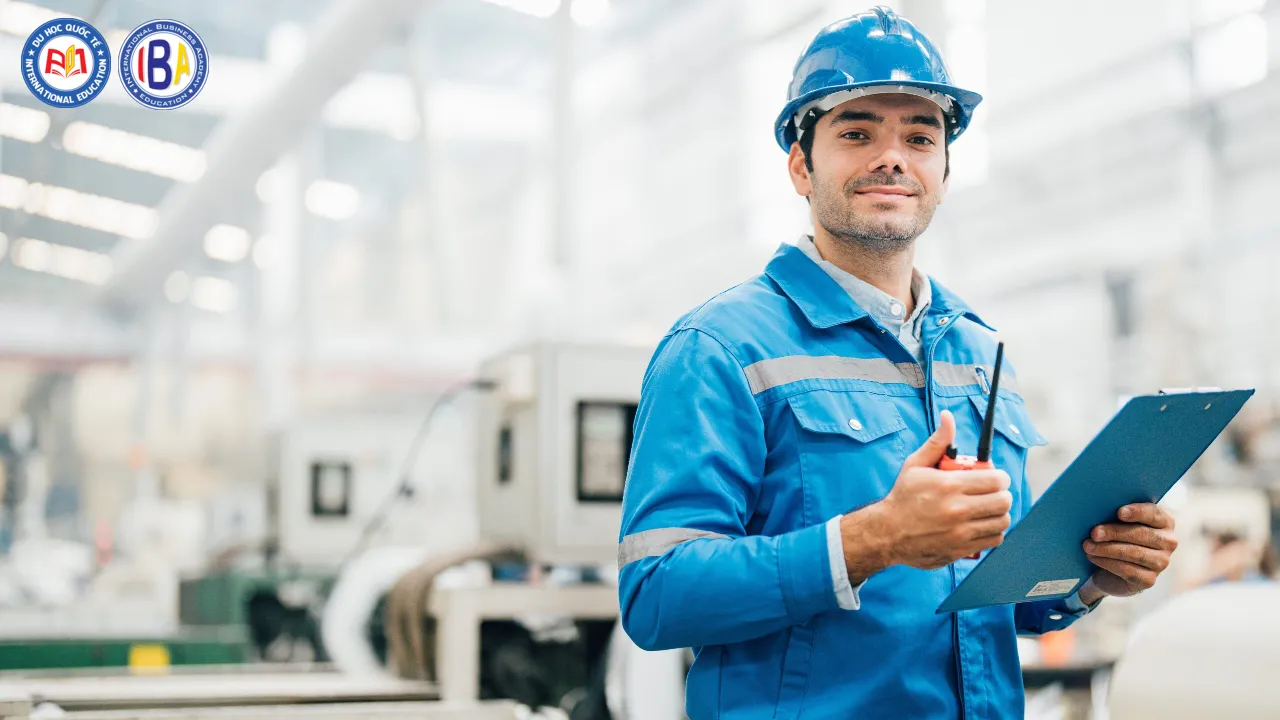
- Mechanical technician
- CNC machine operator
- Maintenance – industrial machine repair
- Metal processing
- Mechanical equipment assembly
- Automation line technician
- Product quality inspector
Income in Germany for the mechanical engineering sector
- For fresh graduates: 2,300 – 2,800 EUR/month
- After 2 – 5 years of experience: 3,000 – 3,800 EUR/month
- Senior technician or working at a large corporation: 4,000 – 5,500 EUR/month
In addition, you are entitled to full health insurance, unemployment insurance, leave policies, and pensions according to German labor law.
Opportunity for settlement
After 5 years of working and paying taxes, you can apply for a permanent residence card. Many people, after settling down, can bring their families to live with them, opening up a stable long-term future.
Comparison of mechanical engineering vocational training with other fields
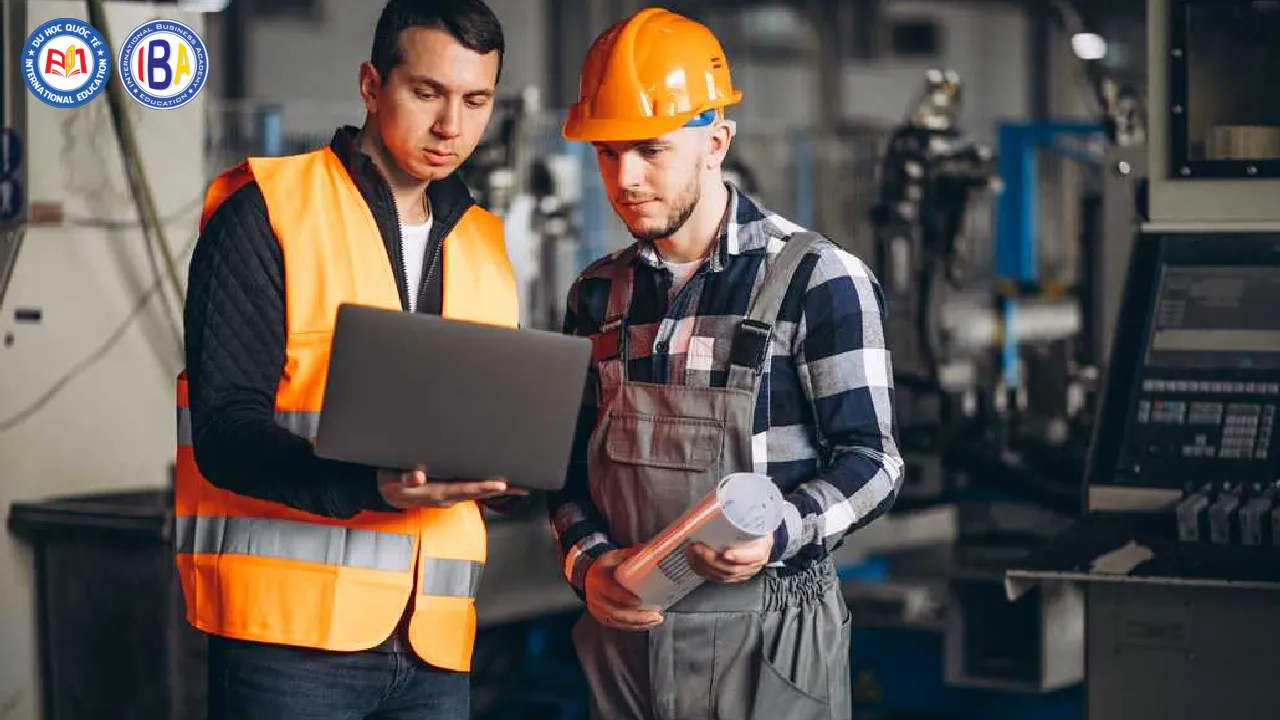
In addition to mechanical engineering, Germany also has many popular fields such as vocational training in IT, business, communications, or construction. Each field has its own advantages, but mechanical engineering still holds the leading position thanks to high labor demand and stable salaries.
– IT Sector
- High income, modern working environment
- Many options after studying, but requires good German + English
- Requires strong logical thinking
– Business Sector
- Suitable for people who like communication and office work
- Requires good foreign language skills to interact with customers
- Higher competition compared to mechanical engineering
– Communications Sector
- Creative, flexible
- Needs language skills and understanding of German culture
- Job opportunities depend on market demand
– Construction Sector
- Labor demand as large as mechanical engineering
- Strenuous work, requires good health
- Relatively high income after graduation
Advice for Vietnamese people wanting to study vocational training in Germany
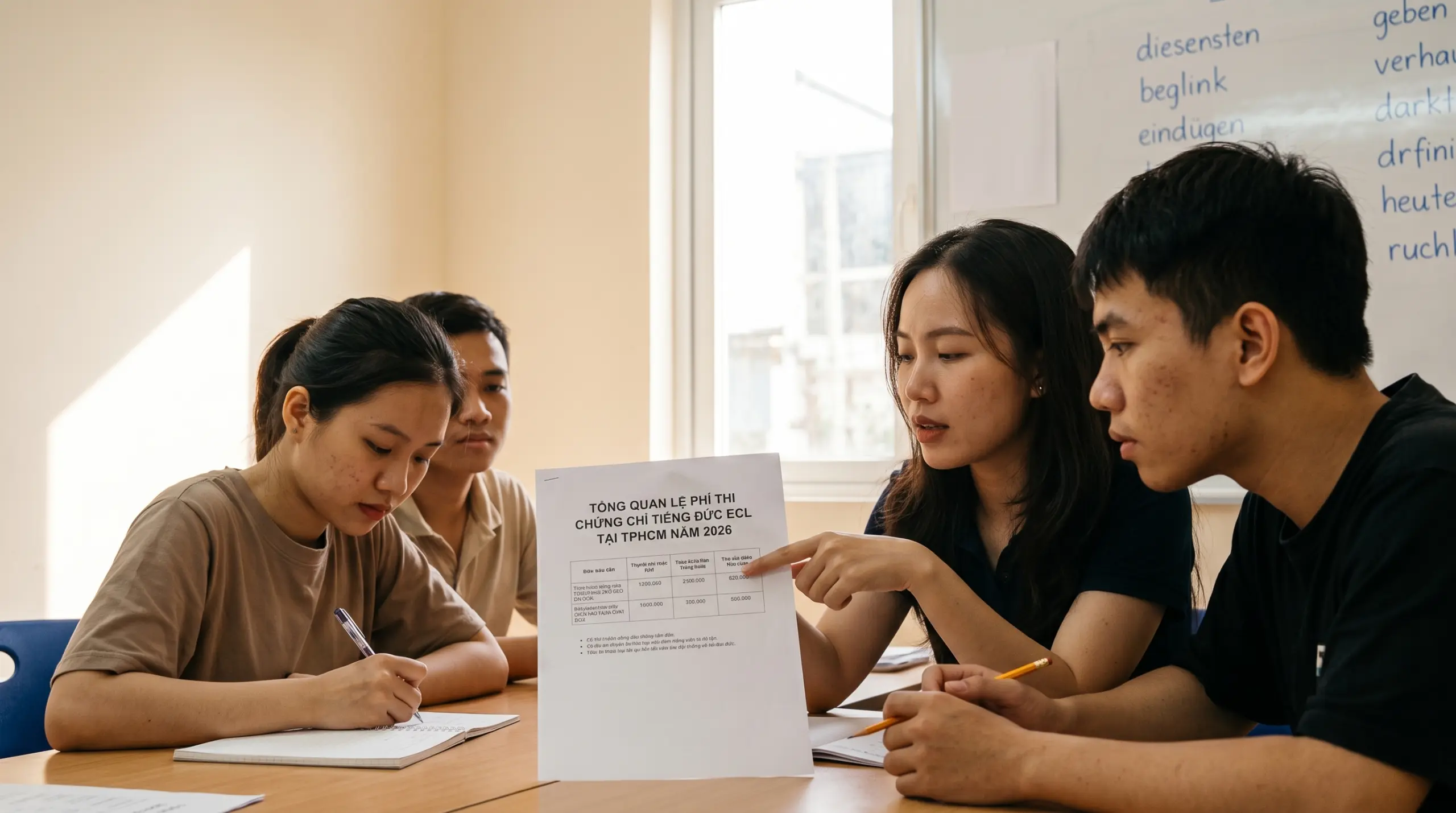
- Start learning German as soon as possible: German is a mandatory requirement for you to study and work in Germany. Starting early gives you time to get used to difficult grammar, practice standard pronunciation, and be more confident during visa interviews or communicating in a corporate environment.
- Train your health and build discipline: The mechanical engineering sector requires endurance, care, and a sense of responsibility. Practice the habit of being on time, being proactive in work, and maintaining good health to quickly adapt to the actual work intensity in Germany.
- Choose a reputable consulting unit: A reliable center helps you orient correctly towards the right industry, supports documents – visas, and provides a clear German language roadmap. Avoid places with overly flashy advertising, lack of transparency in costs, or unrealistic commitments.
- Prepare mentally to integrate into a professional working environment: Germans value precision, punctuality, and efficiency. Getting used to this working style right from Vietnam will help you integrate easily, create a good impression with the training enterprise, and expand long-term development opportunities.
Conclusion
Vocational training in Germany for mechanical engineering is a sustainable choice for young people who love technology, want practical learning, have a good income, and clear settlement opportunities in Germany. If you are looking for a reputable place to start this journey, PDT Education is a reliable address.
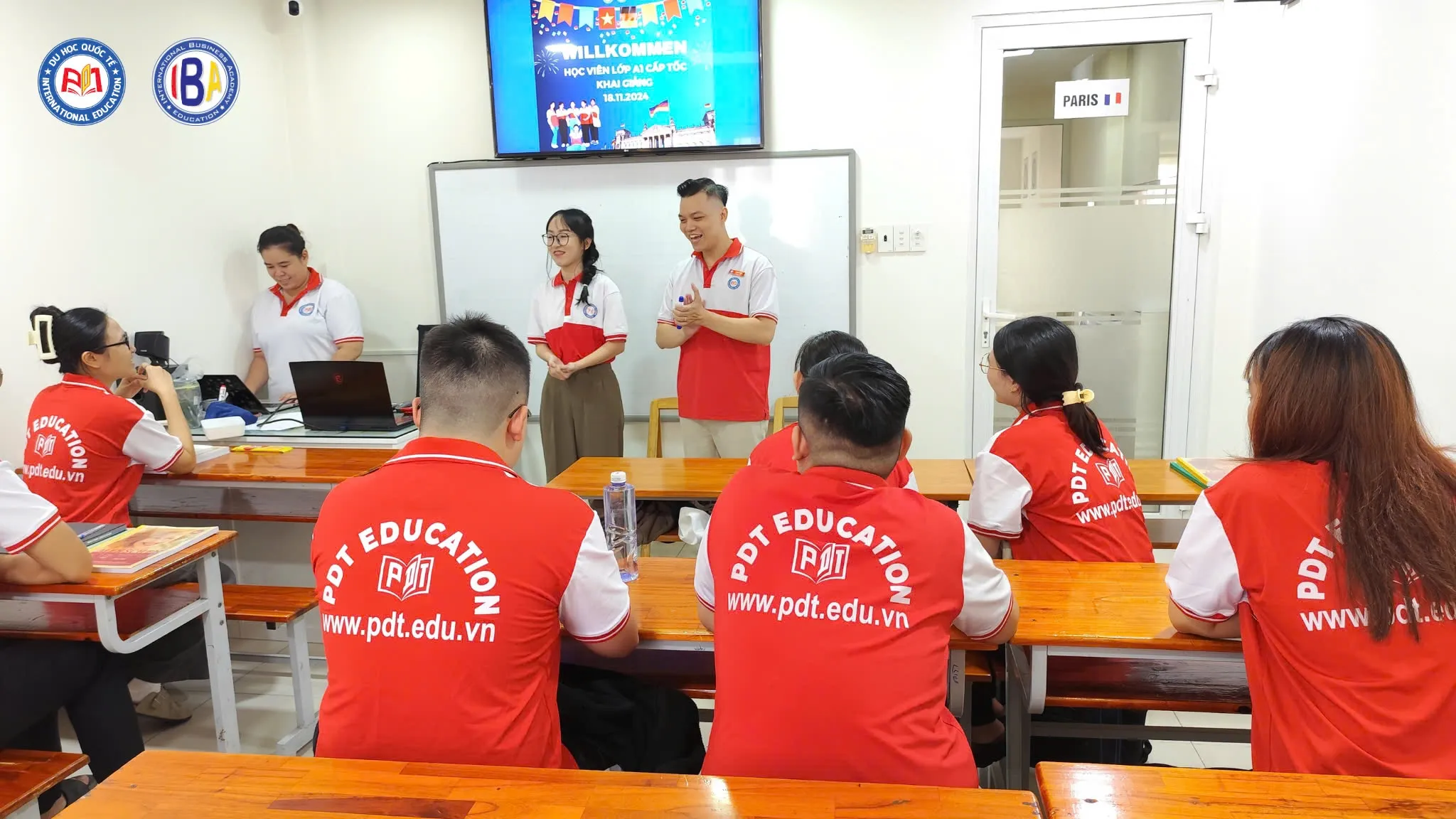
PDT Education provides a German language roadmap from A1–B1, supports full-package documents – visas, and commits to accompanying students until they achieve results. You can find detailed program information and costs directly on the official website.
Let PDT Education accompany you and help you turn your dream of studying mechanical engineering vocational training in Germany into reality!