


“Vocational training in Germany offers high salaries, an easy path to permanent residency and a stable future” is something many people hear before deciding to move abroad. However, behind these appealing promises lie considerable pressures and hidden challenges that lead many people to regret choosing vocational training in Germany when they have not adequately prepared themselves mentally, financially or linguistically.
According to 2026 statistics, approximately 25% of international students in Germany drop out of vocational training programmes before completion because they struggle to adapt to the living environment and work pressures. Although Germany continues to face a serious labour shortage and is expanding opportunities for international workers, the reality there is far more challenging than many people imagine. This article will help you understand why many people regret choosing vocational training in Germany, while also sharing practical experiences to help you prepare more effectively before deciding to move to Germany to study and work.
Regretting Vocational Training in Germany: What Are the Real Reasons?
Many students become disillusioned just a few months after arriving in Germany. A lack of preparation leaves them vulnerable to setbacks. The reasons why they regret choosing vocational training in Germany are varied.
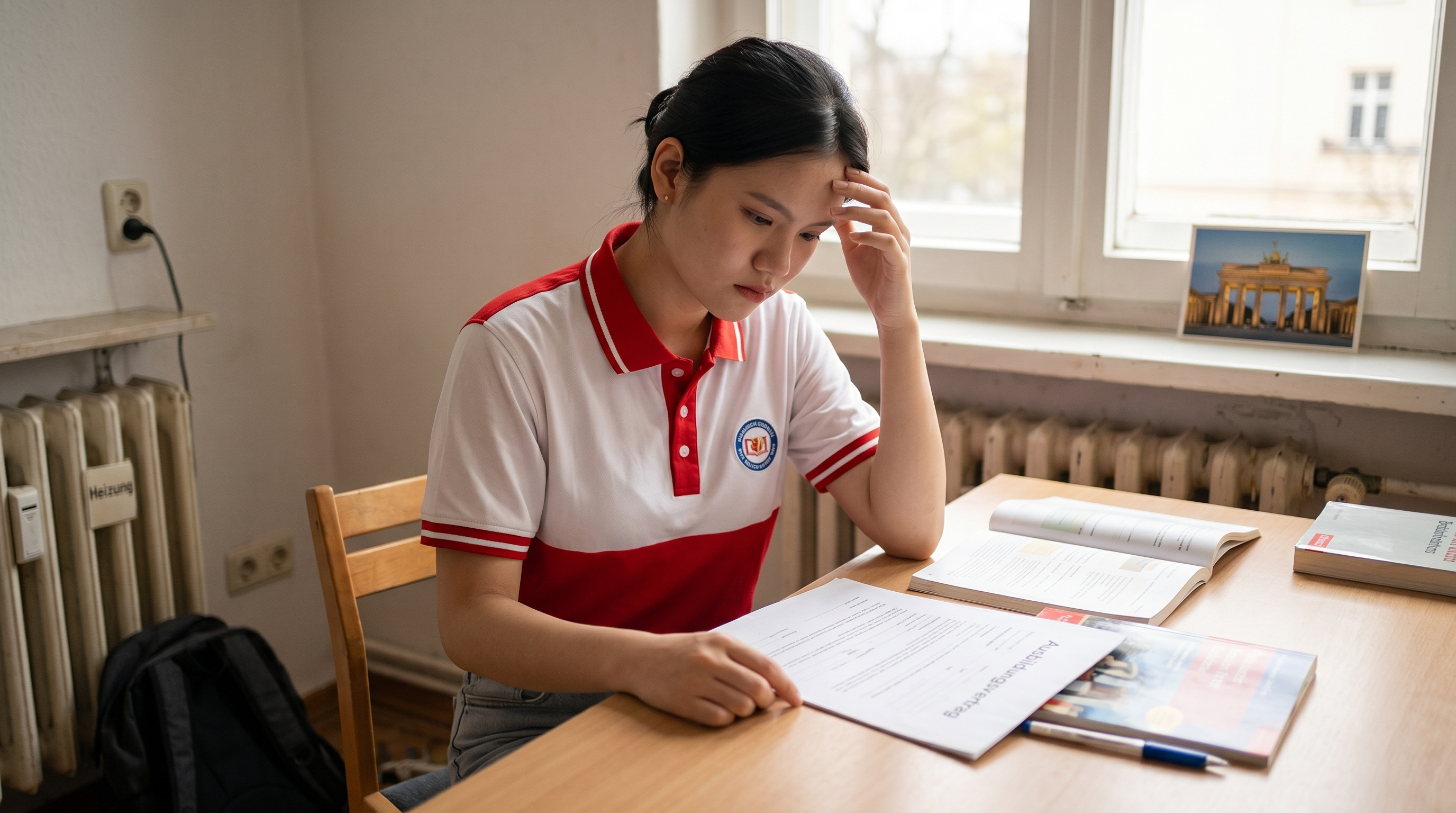
Culture Shock and Language Barriers
Having a B1 certificate is not enough when moving to Germany. Everyday communication in the workplace is very different. Many students struggle to understand what their managers or customers are saying. This can severely undermine their confidence.
Tuấn, from Ho Chi Minh City, studied Nursing in Munich. Despite holding a B1 certificate, he was still taken aback by the language barrier. He could not understand the local dialect spoken by elderly patients. His lack of confidence once made him consider giving up and returning home.
The Double Pressure of Studying and Working
The Ausbildung programme requires students to combine theoretical study with practical training. You may have to work at an intensive pace every week. The volume of medical or technical knowledge taught in German can be overwhelming.
Lan, from Da Nang, studied Hospitality Management in Berlin. She had to spend eight hours a day on her feet. At weekends, she had to devote her time to revising for her vocational qualification exams. This double pressure once left Lan completely overwhelmed.
Unrealistic Expectations About Income and Living Costs
The actual pay during the internship is not as high as rumours suggest. Rent, insurance and food account for most of the income. Many students quickly find themselves in financial difficulty.
- Tax and compulsory insurance contributions are deducted directly from the salary.
- Rent in major cities is very expensive.
- The cost of living has risen due to inflation.
- There is no opportunity to take on a part-time job because the study timetable is too packed.
- You have to pay for study materials and travel yourself.
| Category | Initial Expectations | Harsh Reality |
|---|---|---|
| Internship salary | EUR 1,000–1,200 take-home pay | Only EUR 700–800 remains after tax |
| Housing costs | EUR 200–300/month | EUR 400–600 in major cities |
| Free time | Plenty of time for travelling | Just enough time to sleep and study for exams |
| Part-time work | Easily earn an extra EUR 500 | Exhausted and unable to take on part-time work |
Practical tip: Always prepare a clear budget before moving to Germany. You should bring at least EUR 1,000 in emergency savings.
The Dark Side of Vocational Studies in Germany That Few Agencies Talk About
Alongside the glamorous promises, there are some painful truths. Here are the dark sides of vocational studies in Germany that you need to know. Withholding information leaves many students in a difficult situation.

Harsh Working Conditions
Many students are exploited for their labour. You may be forced to perform strenuous tasks such as washing dishes and cleaning continuously. This is the most frightening dark side of vocational training in Germany.
Minh, from Dong Nai, moved to Frankfurt to study Mechanical Engineering. The workshop required him to work overtime without paying him. He did not dare to complain for fear of losing his training contract.
Risk of Visa Cancellation and Deportation
Germany enforces its visa regulations extremely strictly. If you fail your exams multiple times, you may be expelled from your training programme immediately. In that case, your visa may be revoked without delay.
Huong, from Hanoi, failed the B2 exam three times in Leipzig. The Foreigners' Registration Office sent her a warning letter threatening to terminate her residence permit. She narrowly avoided being deported back to Vietnam in humiliating circumstances.
Discrimination in the Workplace
Although German society is very open-minded, discrimination still exists. International students sometimes encounter cold attitudes from customers. This can cause profound psychological distress.
- Being assigned the most physically demanding tasks in the workshop.
- Being unfairly blamed for even minor mistakes.
- Having little priority when choosing more convenient work shifts.
- Finding it difficult to socialise with local colleagues during breaks.
- Lacking a supportive mentor during the first month.
Practical tip: Do not hesitate to report mistreatment to your vocational school. You have the right to be treated with respect in the workplace.
How to Avoid Regretting Your Decision to Pursue Vocational Training in Germany: Preparation Tips
To avoid regret choosing vocational training in Germany, preparation is key. Choosing the right path can save you time and money.
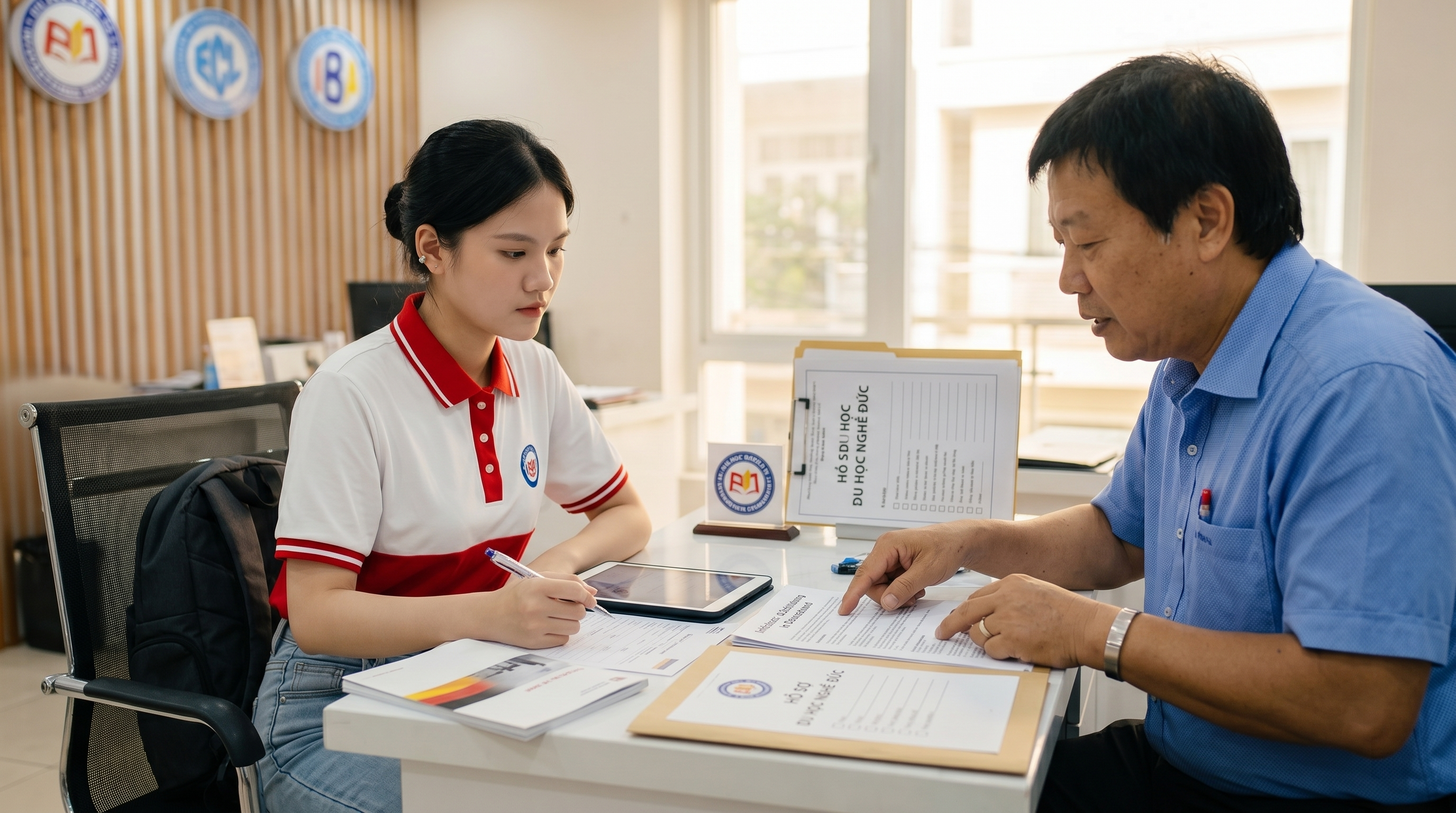
Choose the Right Career Path
Never follow the crowd or chase trends. Choose a career based on your genuine abilities. Nursing, Mechanical Engineering and Hospitality each have their own specific demands.
Phong from Can Tho once left his career in Construction to retrain as a Chef. He realised his true passion far too late. Changing career paths cost him a great deal of time and money.
Invest in Practical German Language Skills
German is essential for survival in Europe. Practise listening and speaking regularly with native speakers. Achieving the required level under the Common European Framework of Reference for Languages (CEFR) is mandatory.
Vy from Ho Chi Minh City worked hard to achieve B2 level before departure. Vy enrolled in an intensive course at PDT EDUCATION. Thorough preparation helped Vy communicate confidently from the very first week.
Based on PDT EDUCATION's experience, language confidence accounts for 80% of success. We always advise students to build a solid foundation before travelling abroad.
Choose the Right Partner to Support You
Choosing a reputable centre is the most important step. They will help you prepare your application with complete transparency. If you are interested, find out more about a vocational nursing training programme the standards.
| Industry | Physical Requirements | Level of Language Pressure |
|---|---|---|
| Nursing | Very high, frequent night shifts | Extremely high (patient communication) |
| Restaurants – Hotels | High, continuous standing | High (customer communication) |
| Mechanical Engineering – Electronics | Fairly high, technical risks | Moderate (understanding specialist vocabulary) |
| Construction | Extremely high, working outdoors | Medium |
- Pass the German B1 exam with a high score.
- Thoroughly research German corporate culture.
- Learn basic soft skills such as teamwork.
- Prepare sufficient finances and ensure full transparency from the outset.
- Develop excellent physical fitness and stamina.
Practical tip: Always cross-check information against official German websites. Never trust promises of guaranteed visa approval.
A Guide to Overcoming the Challenges and Regrets of Pursuing Vocational Training in Germany
Despite the difficulties, this path can still bring rewarding results. To dispel feelings of regret choosing vocational training in Germany, you need determination.
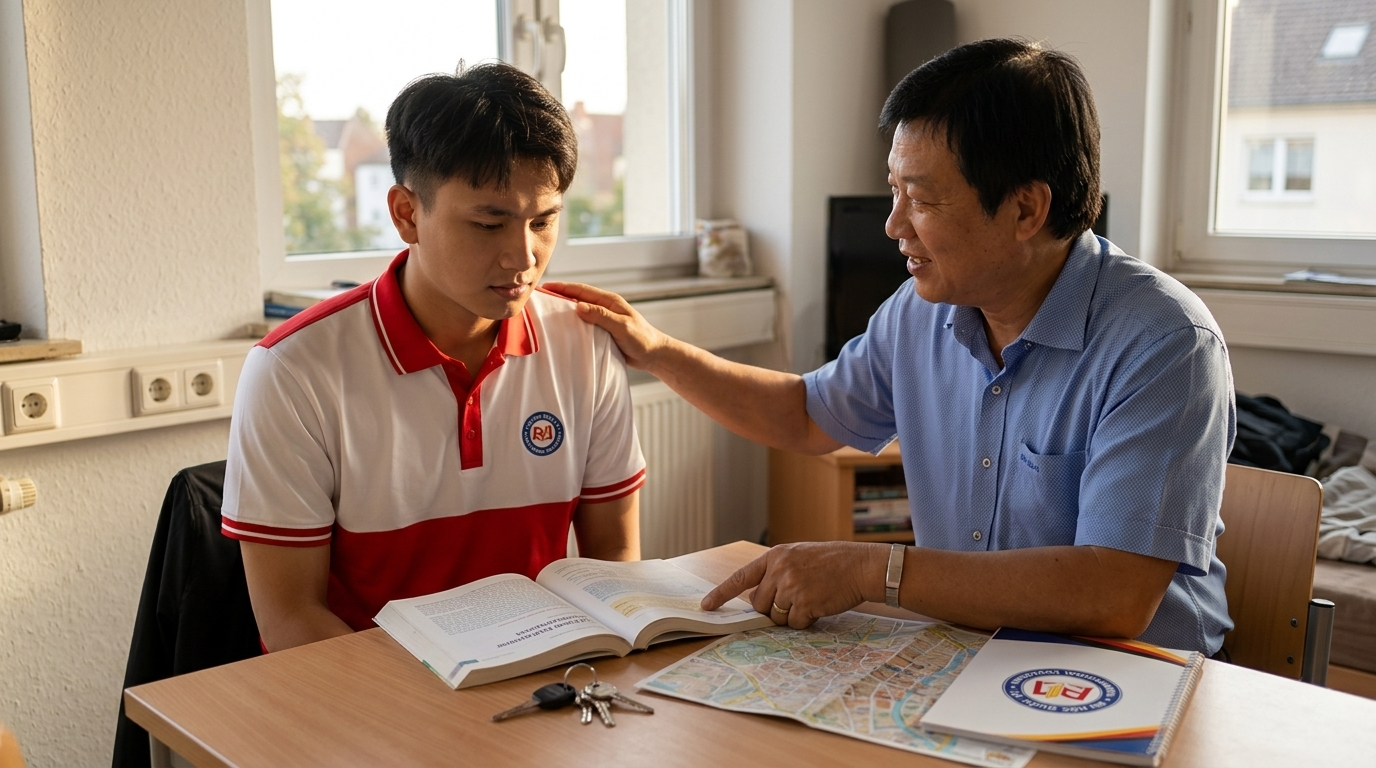
Know Your Legal Rights and Entitlements
You need to understand the law to protect yourself. Under the regulations of the German Federal Office for Migration and Refugees in Germany, students have clearly defined rights. Do not let anyone bully you.
Hùng from Huế was once forced to work continuous overtime. He took his contract to the local trade union to file a complaint. He courageously stood up for himself and reclaimed his legal rights.
Build a Support Network
Make friends with the Vietnamese student community. They will support you when you are ill. Talking and sharing experiences can help relieve overwhelming stress.
Mai from Hải Phòng once suffered from severe depression during the winter. After joining the Vietnamese student association, she became cheerful again. She found a second family in Germany.
Have a Solid Backup Plan
Always have a backup plan for every situation. If the course is not right for you, you can certainly apply to change programmes. Do not suffer in silence when you feel stuck.
- Receive the practical training allowance on time every month.
- Receive at least 24 days of paid annual leave.
- Receive full health insurance contributions from the employer.
- Do not have to work more than 40 hours per week.
- Have the right to terminate the contract for a legitimate reason.
The German Vocational Training Journey: Know the Facts to Avoid Regretting Studying and Training in Germany
In many cases, regret about pursuing vocational training in Germany does not stem from Germany being too difficult, but rather from inadequate preparation before departure. When entering an entirely new living environment with ongoing pressures from studying, working and learning the language, many young people find themselves feeling stressed and losing their sense of direction.
German is not merely a requirement for obtaining a visa; it is also an essential tool for navigating work and everyday life. The pressure of studying theory alongside practical training at a company requires trainees to have a strong sense of discipline and a high capacity to adapt.
Furthermore, choosing a vocational field that does not suit one's physical abilities or personality is another reason why many people quickly lose motivation after arriving in Germany. Having the right pathway from the outset will help you reduce pressure, adapt more easily and build a stable long-term future in Europe.
PDT EDUCATION is currently a provider chosen by many trainees seeking a transparent and practical pathway to vocational training in Germany. With a focus on comprehensive German language training and in-depth advice tailored to each applicant's profile, the centre aims to help trainees prepare more thoroughly and minimise the risk of regretting their decision to pursue vocational training in Germany after moving abroad to study and work.
>>> See other topics: 5 Comprehensive Steps to Working in Germany: Vocational Training and Settlement?