
Learning about pdt education reviews is an important step before deciding to choose a study abroad center. Many students wonder if pdt education is reputable, especially regarding training quality, document processing, and visa success rates. The article below will help you have a more objective and clear view before making a choice.
The reliability of the consulting unit and opportunities for vocational study in Germany
A key factor in assessing reputation is the level of transparency and links with training institutions, internship companies, and visa-issuing authorities in Germany. Within the scope of this article, we refer to a consulting unit with long-term operations in Vietnam, known for a team of consultants with educational backgrounds and work experience in the field of vocational study in Germany.
According to internal data sources, this center maintains partnerships with many vocational schools and businesses in Germany, while having a relatively clear entry competency assessment process. This is a factor that helps learners have a more general overview of the upcoming roadmap.

Some reference indicators from the actual implementation of the program in 2026 can be stated:
– The rate of students arranged for internships and/or signing work contracts in Germany after finishing the vocational training phase ranges from 65-75% for typical cohorts, depending on the professional field and timing visa. Note that this number depends on many factors such as German language proficiency, chosen profession, and the recruitment market at the time of recruitment by German businesses.
– The overall satisfaction level of students with the consulting and support process is often recorded at a medium-high level in internal surveys, with feedback emphasizing preparation before departure and technical support during the process of studying and interning abroad.
– The learning and practice environment in Germany differs between states and industrial zones. In other words, results depend heavily on the specific vocational program and the business accepting the internship.
The great advantage of a reputable consulting unit lies in the transparency of the qualification verification process, entry requirements, processing time, and related costs. At the same time, the link with partners in Germany helps learners clearly visualize their career path after completing the program. However, not every cohort achieves similar results.
The common challenge still lies in meeting language requirements and cultural integration in a foreign labor environment. To minimize risks, you need to carefully consider the roadmap, timing, and suitability between the desired profession and the labor market in Germany.
PDT Education evaluates benefits and challenges
Benefits
– There is a consulting and support system from early on until stable abroad.
– Links with vocational partners and businesses in Germany help increase internship and job opportunities after completing the program.
– Students receive guidance on document chains, interview preparation, and career positioning for the German market.

Challenges and measures
– Language challenges and German language exams, which are the key to participating in internships and working. Advice: start practicing the language before joining the program and participate in systematic language support classes.
– Time for document and visa preparation can be long and experience fluctuations due to regulation changes. Advice: update information regularly, work with experienced consultants, and reserve extra time for each stage.
– Living and studying costs in Germany may increase depending on the living area. Advice: make a detailed financial plan, consider choosing study and internship locations with suitable living costs.
Roadmap and quality of Germany Vocational Study Abroad Program 2026
This section focuses on how a German vocational study program is designed and implemented in Vietnam and Germany, from language preparation steps to internship and working time in Germany. For many young people, this roadmap is a synthesis of academics, vocational skills, and international living experiences. Below is a general description and points to note for the most realistic view of the 2026 program.
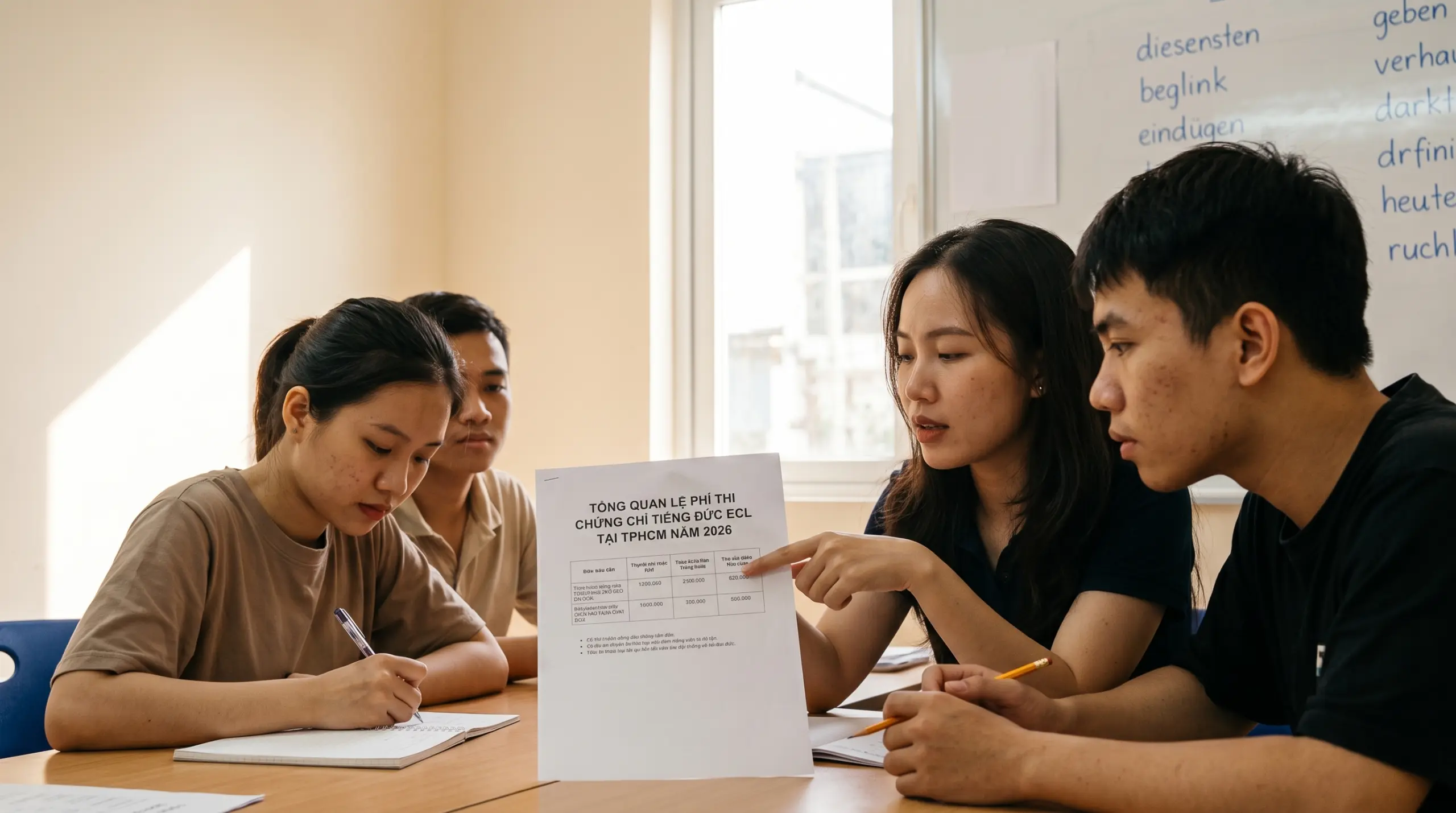
An important feature is the coordination between language learning and vocational training. Basic and intensive German courses are designed to meet standards corresponding to the requirements for performing internships and participating in careers in Germany. Parallel to that, each student will be guided on how to prepare documents, materials, and participate in interviews with businesses in Germany. It is not merely about learning words; this is a process of accumulating soft skills, communicating in a working environment, and getting used to European corporate culture.
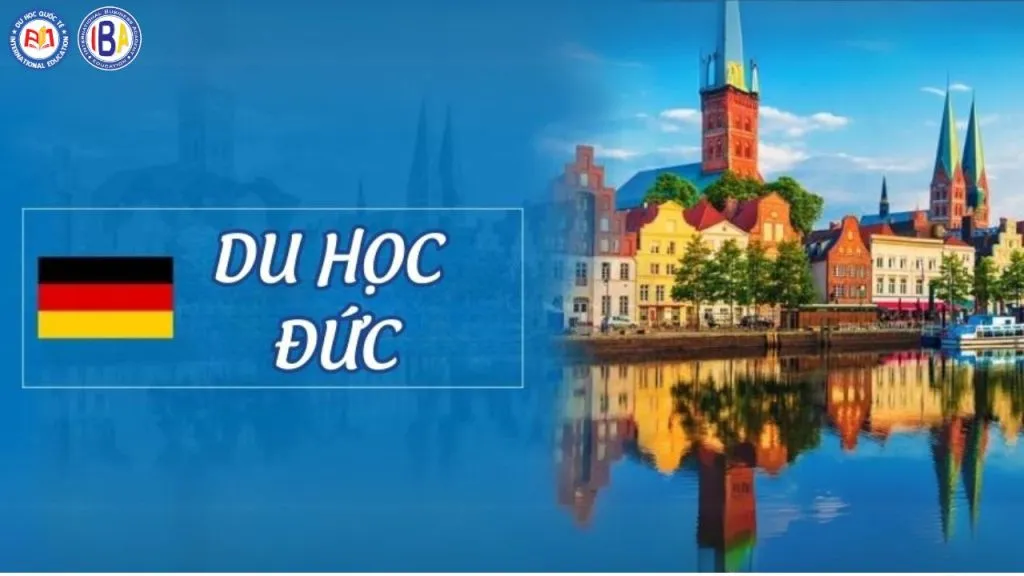
Besides, arranging internships and jobs after completing the program is considered the lifeblood of the roadmap. The presence of partners in Germany helps connect learners with businesses that have a need to recruit interns and skilled labor.
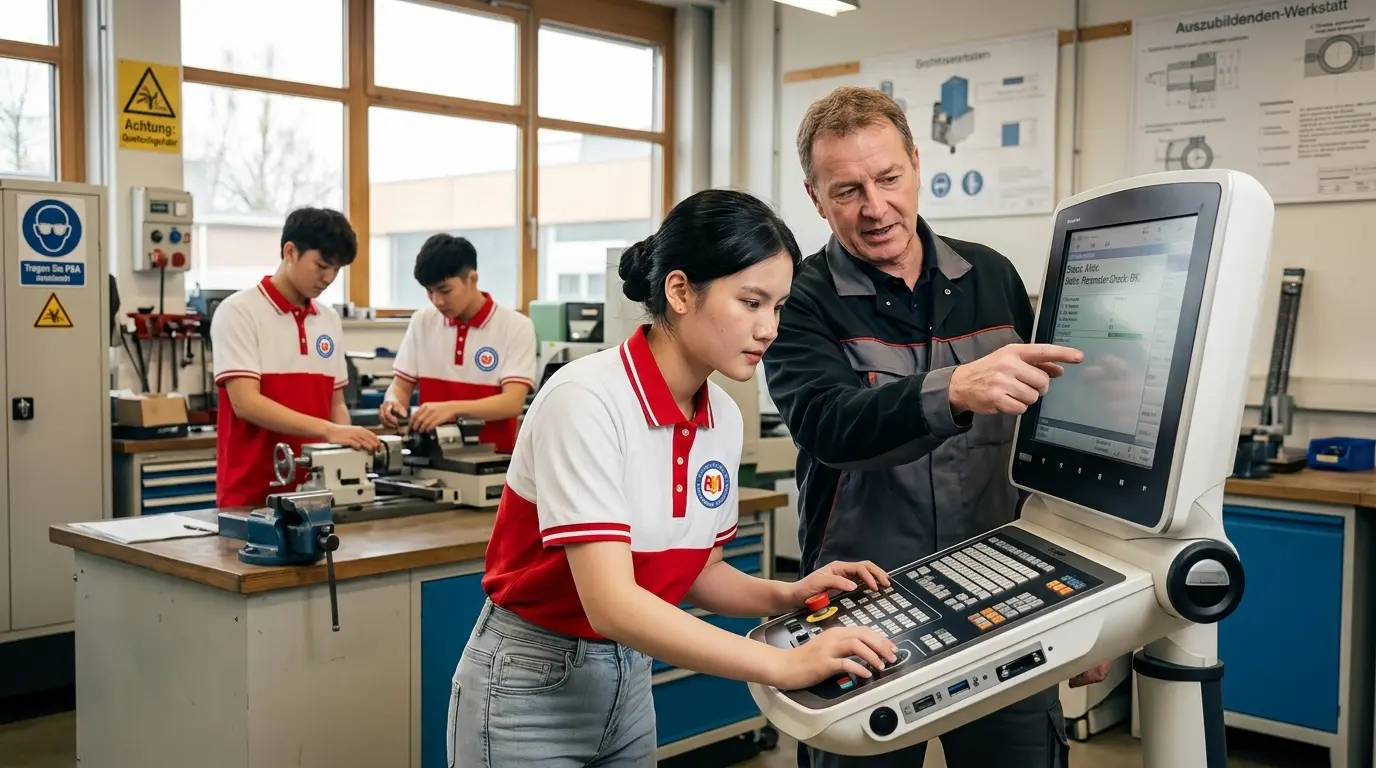
However, there are still objective factors such as economic fluctuations, changes in visa regulations, or the labor market in different industries that can affect opportunities. In 2026, many cohorts received interest from companies in Germany for technical and manufacturing industries, especially in the fields of electricity, mechanics, and information technology.
Student stories
A practical example is the story of Linh, 25 years old, from Central Vietnam. Linh participated in a 9-month German language course and a civil electricity vocational program. Before going to Germany, Linh faced difficulties with specialized vocabulary and interview skills. She participated in additional listening-speaking and interview practice courses with native teachers. After completing the course and obtaining a language certificate equivalent to B1, Linh was accepted for an internship at a business in Munich.
The internship period helped Linh grasp production processes, how to work in a team, and interact with foreign colleagues. After only 12 months, Linh received an invitation to continue working in Germany with a long-term contract. Linh's story shows that thorough preparation from language to vocational practice can create a realistic door for employment after the program.
Real data and practical advice
To give you a balanced view, below is data and realistic observations about the German vocational study program in 2026, along with specific advice for each stage.
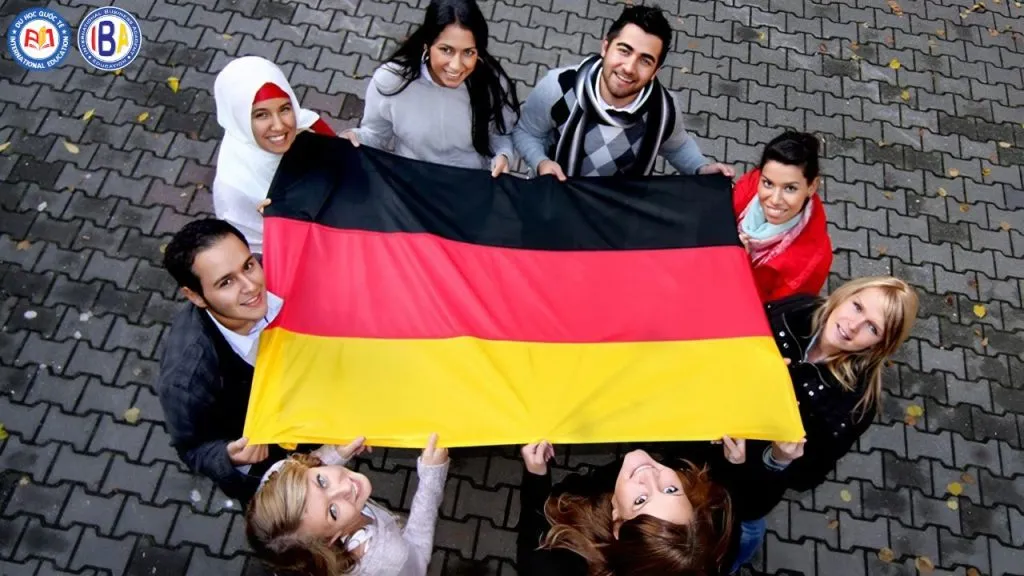
Real data (year 2026)
– According to internal data from cohorts, about 65-75% of students after completing the vocational training and internship phase in Germany have the opportunity to continue working or receive long-term work contracts in this country. This level varies by industry and region.
– Student surveys show that the level of satisfaction with the document preparation, language training, and career orientation process is quite high, especially when there is a close link between Vietnam and Germany.
– Estimated costs for the German vocational study roadmap range from about 1.0 to 1.8 billion VND for the entire process, depending on time, living area, and industry. Making a detailed financial plan and choosing a suitable location are decisive factors.
Practical advice
– Investing in language before going to Germany is the step that brings the greatest benefit. If possible, achieve at least B1/B2 level before starting the internship phase. This helps you communicate confidently and understand job requirements in the working environment.
– Research the specific career roadmap and the business receiving the internship carefully and early. Talking directly with recruitment managers and former students can show you a realistic picture of opportunities and challenges.
– Prepare contingency finances: in addition to tuition and living costs, have a backup plan for costs arising related to visas, insurance, and travel.
– Plan to accumulate experience outside of school hours: participating in practical projects, working overtime, or short-term internships before going to Germany can help you get used to the work pace and professional requirements faster.

Conclusion and action
In the process of learning and deciding about vocational study in Germany, you should have a balanced view between opportunities and challenges. A reputable unit will provide transparent information, have a network of partners in Germany, and clear orientation for each stage. However, success still depends on your personal preparation and effort: language capital, perseverance in the visa application process, and the ability to integrate into a new working environment.
If you are still wondering about document procedures, total costs, or are not sure where to start the roadmap, PDT International Education will be a reliable companion with more than a decade of experience in the field of vocational study in Germany. The PDT team not only advises on choosing a major suitable for your capacity but also supports building financial plans, preparing financial proof, practicing interviews, and completing documents according to standards required from the German side.
Contact PDT International Education for detailed orientation and to design a personalized roadmap according to your own goals. With professional and dedicated companionship, you will be more confident when starting your journey of studying and working in Germany.