

In recent years, the phrase “vocational training in Germany” has gained increasing interest among young Vietnamese people. No longer just a 'secondary' option after university, the vocational training model in Germany is becoming an independent, clear, and practical direction for those who want to stabilize their careers in Europe early on. With its famous dual training system, good benefits, and high demand for human resources, Germany opens up a potential career door for young people who dare to step out of their comfort zones.
If you are considering this path, the article below will help you clearly understand the nature of vocational training, practical opportunities, and things to prepare before deciding.
Why is Vocational Training in Germany Highly Valued?
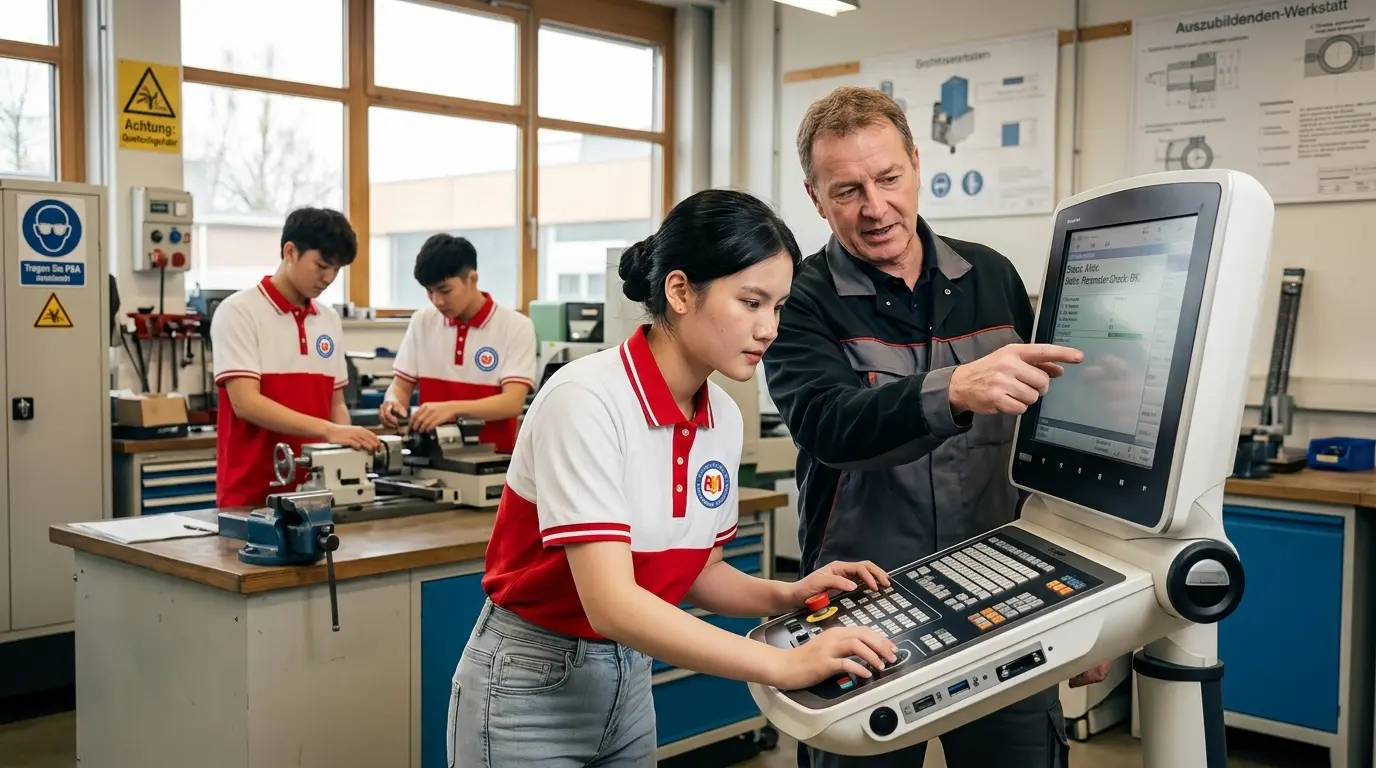
The special feature of the vocational training model in Germany lies in the dual system (Dual System). Instead of only learning theory in school, trainees will combine studying at a vocational school with direct practice at an enterprise. This helps learners not only grasp professional knowledge but also accumulate work experience right from the start of their training.
This combination creates a huge advantage: after graduation, you already have practical experience and can easily be retained for official work. Many trainees sign long-term labor contracts immediately after completing the program.
In addition, during the training process, trainees usually receive a monthly allowance from the enterprise. This allowance is sufficient to cover most basic living expenses, helping to reduce financial pressure on families.

How is Vocational Training in Germany Different from University Study Abroad?
Many people often compare studying abroad at a university and vocational training. In reality, these are two completely different directions.
University study focuses on academic knowledge, in-depth research, and often lasts many years before entering the labor market. Meanwhile, vocational training in Germany leans toward practice, training specific professional skills, and the training time is usually from 2 to 3.5 years depending on the industry.
If you are someone who likes practical work, wants to quickly have a stable income, and integrate into the labor market early, vocational training may be a more suitable choice.

Popular Occupations for Vocational Training in Germany
Germany is currently facing a shortage of human resources in many fields, especially in the service and healthcare sectors. Some industries chosen by many Vietnamese trainees include:
- Nursing
- Restaurant – Hotel
- Mechanics – electronics
- Construction
- Logistics
Among them, nursing vocational training in Germany is one of the industries with high recruitment demand and clear long-term settlement opportunities. With a rapidly aging population, Germany always needs to supplement its professional medical care team, creating favorable conditions for international trainees.

Requirements for Vocational Training in Germany
To participate in a vocational training program in Germany, you need to meet some basic conditions:
- Education level: Normally, candidates need to graduate from high school. Some industries may require a good transcript or subjects related to the specialized field.
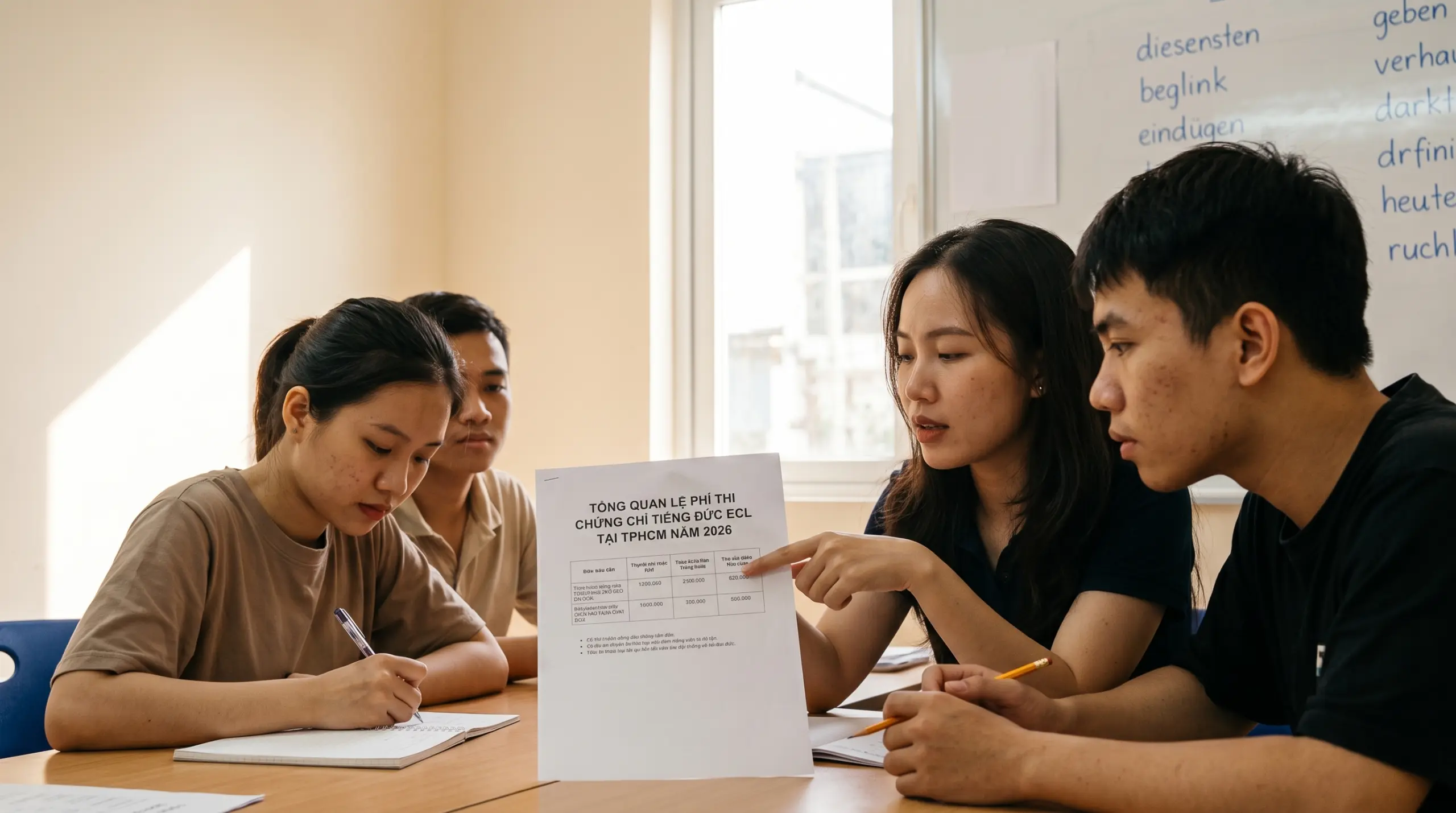
- German language level: German is a mandatory requirement. Depending on the industry, the requirement is usually from level B1 or higher. Since the study and work programs both use German, good communication will help you integrate faster.
- Health and clear background: This is a mandatory condition when applying for a visa and signing a contract with an enterprise.
Standard Preparation Roadmap Before Going to Germany for Vocational Training
Deciding to go to Germany for vocational training should not be a hasty choice. You need to prepare thoroughly both mentally and in terms of documentation.
Phase 1: Learning German
This is the most important step. Investing seriously in German from the beginning will help you pass interviews and adapt well when moving to Germany.
Stage 2: Finding a suitable industry
Do not choose an industry just because you “heard it's easy to go”. Consider personal interests, adaptability, and long-term orientation. For example, if you are not suited for a patient care environment, the nursing industry can become a huge pressure.
Stage 3: Preparing documents and interviewing
You will need to prepare academic records, German language certificates, a CV, and a motivation letter. Interviews with German enterprises usually focus on attitude, communication skills, and the level of seriousness toward the chosen profession.
Reality of Life During Vocational Training in Germany
One important thing to understand clearly: life in Germany is not all rosy. You will have to adapt to a new environment, cold climate, different culture, and high work intensity.
However, in return, you get to work in a professional environment, with respect for workers' rights and long-term development opportunities. After completing the program, you can apply for a contract extension and even apply for residency if you meet the requirements.
Opportunities After Graduation
After completing the German vocational training program, trainees usually have three main directions:
- Stay to work long-term under contract
- Advanced study or career change
- Return to Vietnam to work for German enterprises or international companies
Salary after graduation depends on the occupation and work area, but generally it is enough for you to have a stable life and financial accumulation.
Important Notes Before Deciding
- Do not believe in advertisements like “go fast – low cost – 100% pass guarantee”
- Research consulting units carefully
- Clearly define long-term goals
- Prepare mentally for a serious study and work process
Choosing vocational training in Germany should be seen as a long-term plan rather than a temporary solution.
Is Vocational Training in Germany the Path for You?
There is no single path that fits everyone. Vocational training in Germany is suitable for those who:
- Are ready to learn German seriously
- Have a high spirit of independence
- Want to work practically instead of pursuing academics
- Desire to stabilize their life in Europe
If you possess these factors, vocational training in Germany can become an important turning point in your journey of maturity and career building.
Conclusion
Vocational training in Germany is a good opportunity to build a stable career in Europe, but success depends on thorough preparation from the beginning, especially German language skills and appropriate career orientation.
With over 10 years of experience in German language training and vocational study abroad consulting, PDT International Education is currently implementing German language training programs from A1–B2, certificate exam preparation, and systematic vocational study abroad consulting for each industry. Trainees are guided through a personalized roadmap, supported with interviews, and full document preparation before going to Germany.
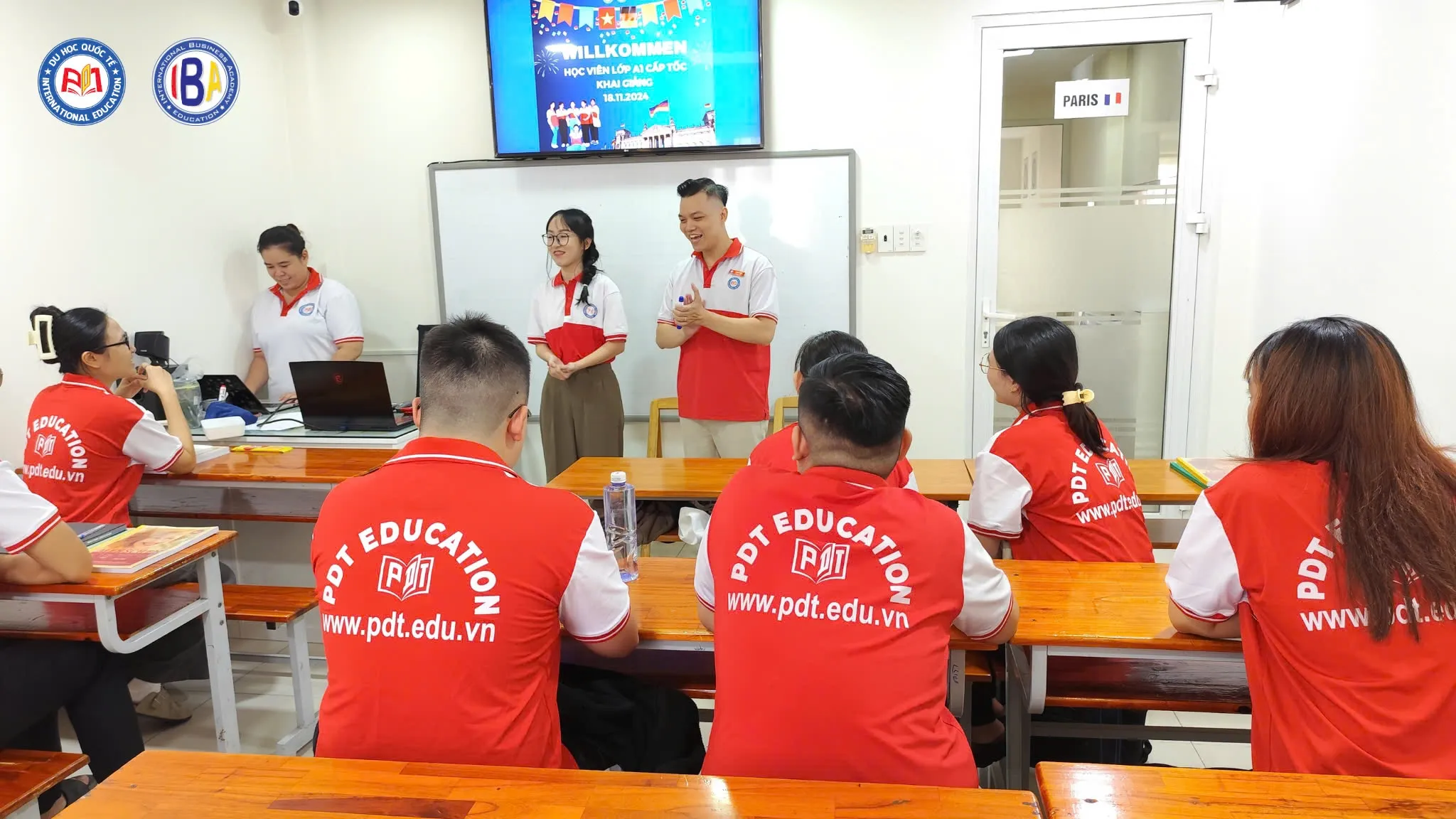
If you are considering vocational training in Germany, please contact PDT International Education for detailed advice and to build a roadmap suitable for your capacity and long-term goals. Starting in the right direction today will help you go further in the future.