


When researching vocational study abroad program in Germany, the question of net salary for nurses in Germany is always a top priority for trainees. Many young people worry that their income will be significantly reduced by tax rates of up to 40%. However, understanding the financial structure will help you work out exactly how much you will take home.
In Germany, your gross salary is not the amount you actually take home. Deductions include personal income tax and compulsory insurance contributions, such as health insurance, pension insurance and unemployment insurance. According to the regulations of the Federal Employment Agency, these contributions are intended to protect employees' social security rights.
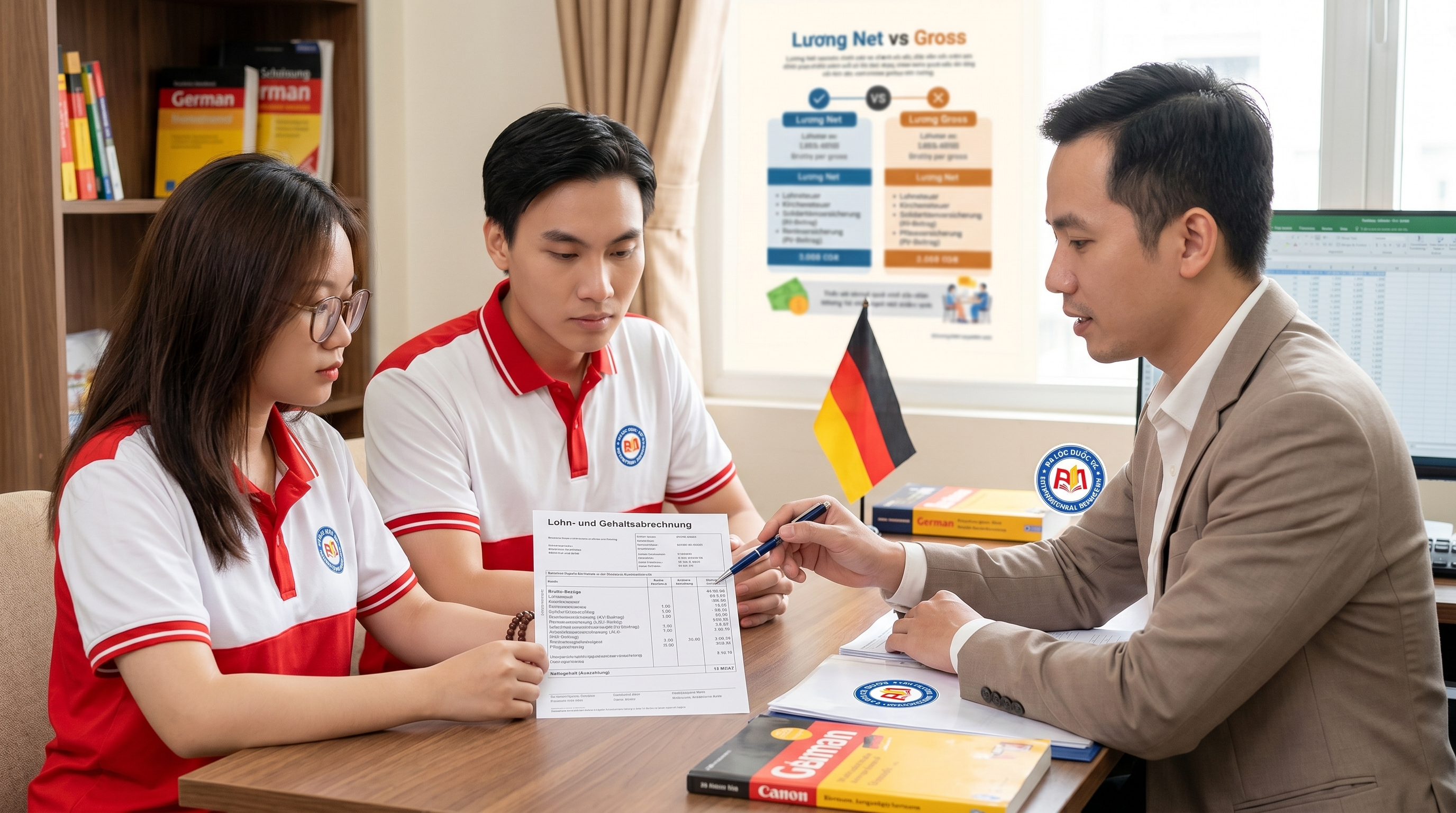
Understanding Net Salaries for Nurses in Germany and the Relevant Deductions
The Difference Between Gross Salary and Compulsory Insurance Contributions
Gross salary is the amount agreed in your Ausbildung (vocational training) contract. Based on this amount, the employer automatically deducts taxes and insurance contributions in accordance with the law. For example, Minh Anh in Munich starts her training with a gross salary of €1,300. After deductions, the actual take-home amount typically ranges from €900 to €1,050, depending on the tax class.
Why Is the 40% Tax Rate Often Misunderstood?
The 40% tax rate does not apply to the entirety of a vocational student's income. In reality, personal income tax depends on salary and family circumstances. According to experts at PDT International Education, students should carefully review the tax classification table (Steuerklasse) to understand why their take-home pay may be higher than initially expected.
Key Factors Directly Affecting Take-Home Pay
Geographical location plays an important role in determining income. For example, the cost of living in Frankfurt is higher than in Leipzig, so take-home pay may be adjusted in line with the applicable regulations. Students should proactively monitor the latest updates from the tax authorities to gain the most accurate understanding of their monthly income.
How to Calculate Take-Home Pay for Vocational Students in Germany After Tax
Calculating take-home pay for vocational students in Germany after tax requires you to have a good understanding of how to analyse your payslip. Each month, you will receive a detailed Lohnabrechnung showing the amounts deducted. Carefully checking this payslip is the best way to safeguard your personal financial interests.
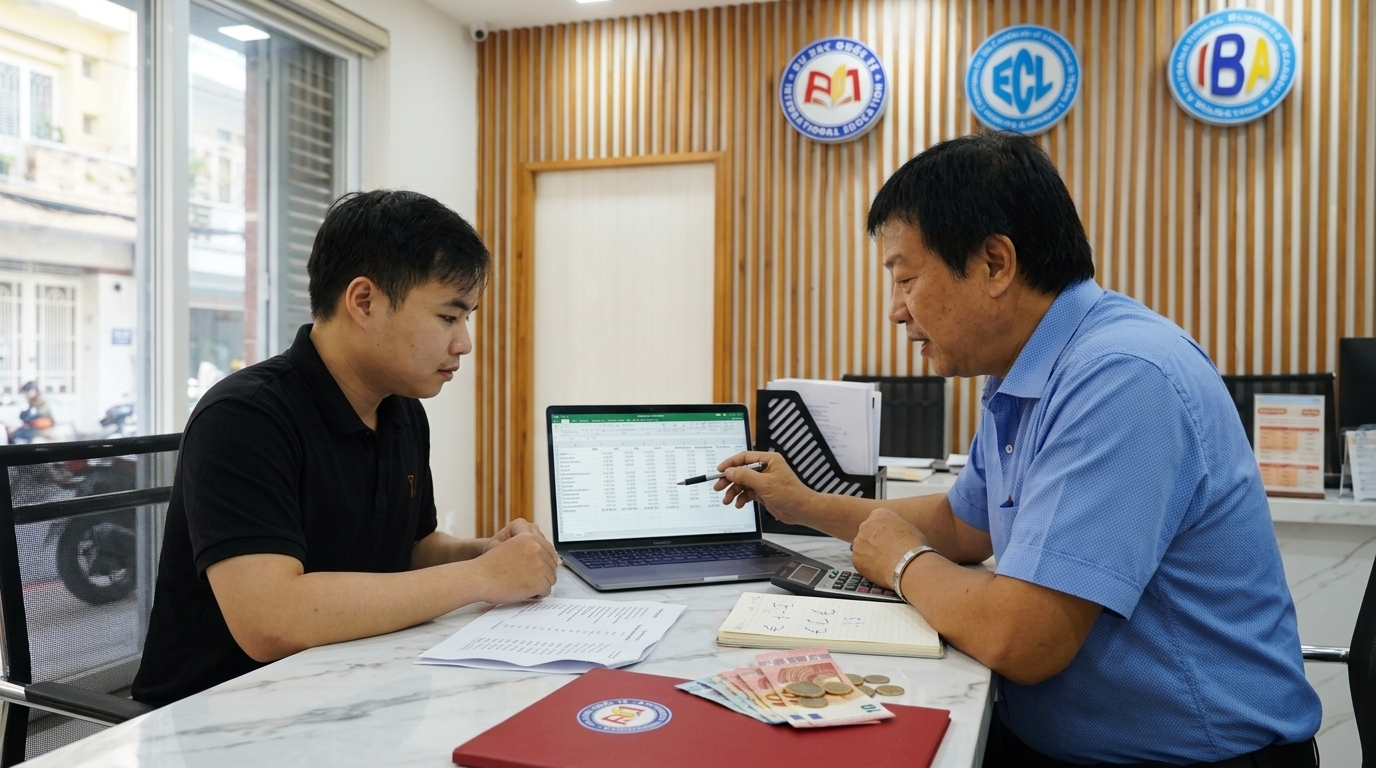
Sample Payslip (Lohnabrechnung) Analysis for Nursing Trainees
Payslips usually contain clearly labelled sections showing basic salary and deductions. For trainees such as Hoàng Nam in Berlin, understanding the symbols on a payslip helps identify allowances for night shifts or public holiday work. PDT EDUCATION encourages students to keep their payslips every month to manage their finances effectively.
The Impact of Personal Income Tax (Lohnsteuer)
Lohnsteuer is the tax you pay based on your annual taxable income. For vocational students, this tax is generally not particularly high because their income during vocational training falls within the applicable tax allowances. If you have paid more tax than you should, you can apply for a tax refund at the end of the financial year in Germany.
The Role of Health and Pension Insurance in Salary Deductions
Health insurance (Krankenversicherung) is compulsory and ensures that you have access to comprehensive healthcare in Germany. If you encounter difficulties with the procedures, you should consult health insurance regulations to understand your rights and entitlements. PDT EDUCATION is committed to supporting students in connecting with reputable training institutions that ensure transparency in all salary deductions.
PDT EDUCATION: A Guide to Maximising Nurses' Earnings
To maximise your earnings, you need a clear plan. PDT EDUCATION recommends that you focus on investing in B1 and B2 German language courses while you are still in Vietnam. Good language skills will help you feel more confident at work and increase your chances of receiving special allowances from nursing homes.

The Importance of Choosing the Right Federal State and Training Institution
Your choice of vocational training location also affects your actual earnings. For example, Lan Anh in Hamburg chose a training institution offering a highly competitive salary, while also researching government support schemes in detail. This has enabled her not only to cover her living expenses but also to save a little money each month.
Creating a Smart Personal Financial Plan from the Start
Budgeting is the key to managing your take-home pay effectively. List your fixed expenses, such as rent, insurance and food. By planning carefully, many students have successfully managed their take-home pay. Sign up for consultation sessions at vocational study abroad program to receive in-depth support with managing your expenses.
Making the Most of Overtime and Additional Shift Allowances
In Germany, overtime and night shifts are generally paid at significantly higher rates. Tuan Kiet made the most of weekend shifts to supplement his basic salary. This is a legal way to increase your monthly take-home pay. However, always prioritise your health and your academic performance at vocational school.
Important Points About German Employment Law for International Students
Understanding the law is the best way to protect yourself. According to the German Labour Migration Act, international students are entitled to the same employment rights as local workers. You should understand your contractual rights and entitlements to avoid any misunderstandings about your actual monthly take-home pay.

Legal Employment Rights Under German Federal Law
All trainees have transparent employment contracts. Make sure you read the terms regarding salary and annual leave carefully. After arriving in Germany, Thao Nguyen received support from an adviser to gain a clear understanding of these entitlements under her three-year training contract.
Procedures for Checking and Recognising Qualifications in Germany
The qualification recognition process (Anerkennung) plays a decisive role in securing a higher salary after graduation. Make sure you prepare your documents thoroughly from the outset. PDT EDUCATION provides professional and accurate support throughout this process.
Understanding the Income and Lifestyle of Nurses in Germany
A nurse's net salary in Germany is more than just the amount received each month; it also reflects the country's entire social security system and employment benefits. By understanding taxes, insurance contributions and expenditure management, trainees can take greater control of their long-term financial planning instead of worrying excessively about initial deductions.
During vocational training, take-home pay is generally sufficient to cover living expenses when rent, food and transport costs are managed sensibly. In addition, improving German language skills and choosing a suitable training institution can give trainees more opportunities to receive allowances or increase their income after graduation.
PDT EDUCATION is currently an organisation chosen by many trainees seeking a structured and transparent vocational training pathway in nursing in Germany. With a focus on support ranging from language learning and document processing to financial and career advice, the centre aims to help trainees prepare more confidently before beginning their educational and professional journey in the Federal Republic of Germany.
>>> See more here.