
When starting to learn a new language, regular practice plays a crucial role in helping learners memorize knowledge and form natural reflexes. For German, level A1 is considered the starting point to help you get acquainted with the vocabulary system, grammar, and basic communication. Therefore, practicing German A1 exercises every day will help you progress faster and build a solid foundation for subsequent levels.
The following article will help you understand the role of practice, common types of exercises, as well as effective learning methods to conquer level A1 in a short time.
Why Should You Practice German A1 Exercises Frequently?
In the early stages, many people often focus on learning vocabulary or memorizing grammar but forget that practice is the factor that helps knowledge “stay” long-term. When doing German A1 exercises, you not only check your comprehension but also train your ability to apply it in real-life situations.
Some clear benefits of regular practice include:
- Understanding German sentence structure: German has many rules regarding verb conjugation and word position in a sentence. Through practice, you will gradually become familiar with the correct sentence arrangement.
- Increasing language reflexes: Doing exercises regularly helps you react faster when listening, reading, or communicating.
- Good preparation for German exams: If you plan to take the A1 certificate exam, practicing German A1 exercises will help you get used to the exam format and reduce pressure during the actual test.
Common Types of German A1 Exercises
During the learning process, you will encounter many different types of exercises to comprehensively train all skills. Below are the most common types of German A1 exercises.
Fill-in-the-Blank Exercises
This is a common exercise type that helps learners practice basic vocabulary and grammar.
For example:
Ich __ in Berlin.
- a. wohnen
- b. wohne
- c. wohnst
Correct answer: b. wohne
This type of exercise helps learners understand how to conjugate verbs according to the subject.
Sentence Rearrangement Exercises
In German, the position of the verb and other sentence components follows quite clear rules. Sentence rearrangement exercises help you understand how to structure a complete sentence.
For example:
heute / ich / arbeite / im Büro
Correct sentence: Ich arbeite heute im Büro.
German A1 grammar exercises like these help learners get used to word order in sentences.
Multiple Choice Exercises
This type of exercise often appears in A1 level tests or exam papers.
For example:
Wie heißt du?
- a. Ich heiße Anna
- b. Ich komme aus Berlin
- c. Ich bin 20 Jahre alt
Correct answer: a. Ich heiße Anna
Multiple-choice exercises help learners understand how to use appropriate answers for questions.
Basic Sentence Translation Exercises
Translating sentences from Vietnamese to German is a good way to check the ability to apply learned knowledge.
For example:
I am a student. → Ich bin Student.
This type of exercise helps you practice using words and simple sentence structures.
Basic Listening Comprehension Exercises
At the A1 level, listening exercises are usually short dialogues about familiar topics such as:
- Introduce themselves
- Asking for directions
- Shopping
- Making appointments
After listening, you can answer questions or choose the correct answer.

Common Topics in German A1 Exercises
At level A1, learning content usually revolves around familiar topics in daily life. When practicing German A1 exercises, you will often encounter topics such as:
- Self-introduction: Name, age, profession, nationality.
- Family: Talking about parents, siblings, or relatives.
- Work and study: Describing work or the learning environment.
- Time and schedule: Dates, times, and plans for the day.
- Shopping and dining: Asking for prices, ordering food, or buying items in a store.
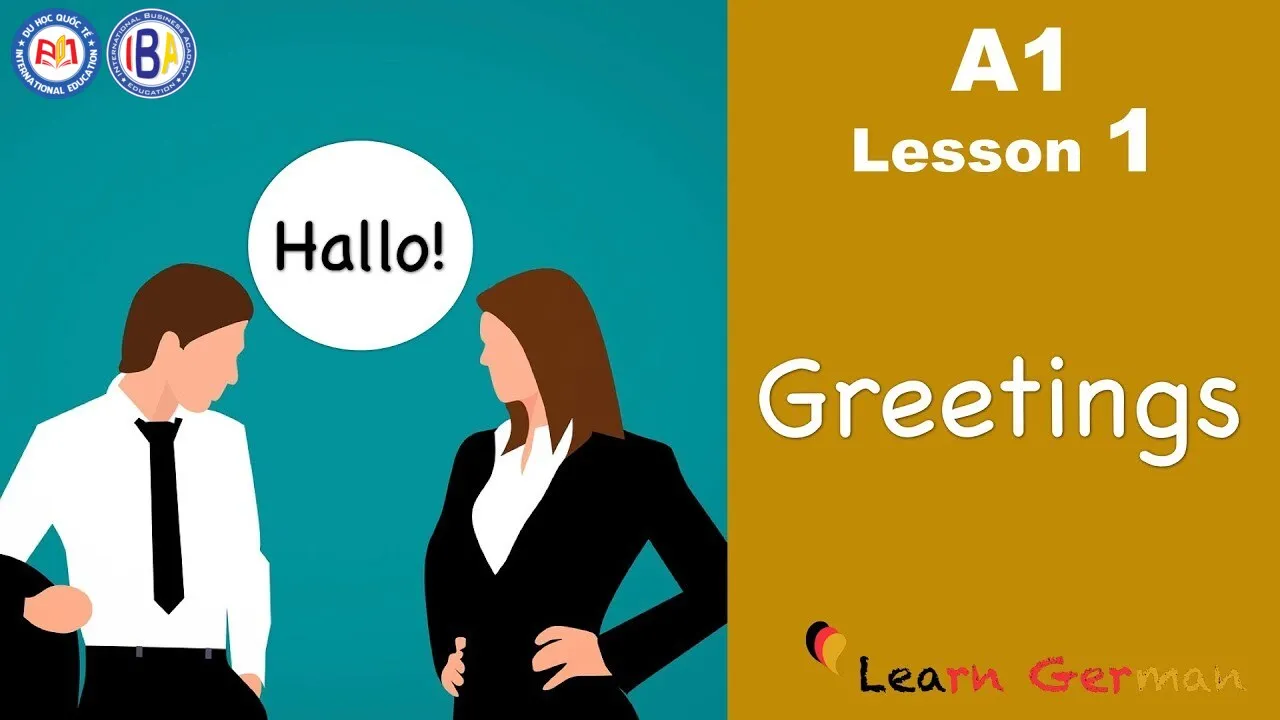
How to Practice German A1 Exercises Effectively
Doing many exercises doesn't necessarily mean you will progress quickly. What matters is the correct practice method.
Practice a little every day
Instead of cramming many lessons into one day, you should spend about 20–30 minutes every day doing German A1 exercises. Regular learning helps knowledge be remembered longer.
Combine different types of exercises
You should practice vocabulary, grammar, reading, and listening to develop comprehensively. Diversity in exercises helps learning not become boring.
Take note of mistakes
When you make a mistake in an exercise, record that mistake in a study notebook. This helps you avoid repeating the same mistake in future study sessions.
Review old lessons regularly
After completing a set of German A1 1 exercises, you should review the questions you have done to consolidate your knowledge.
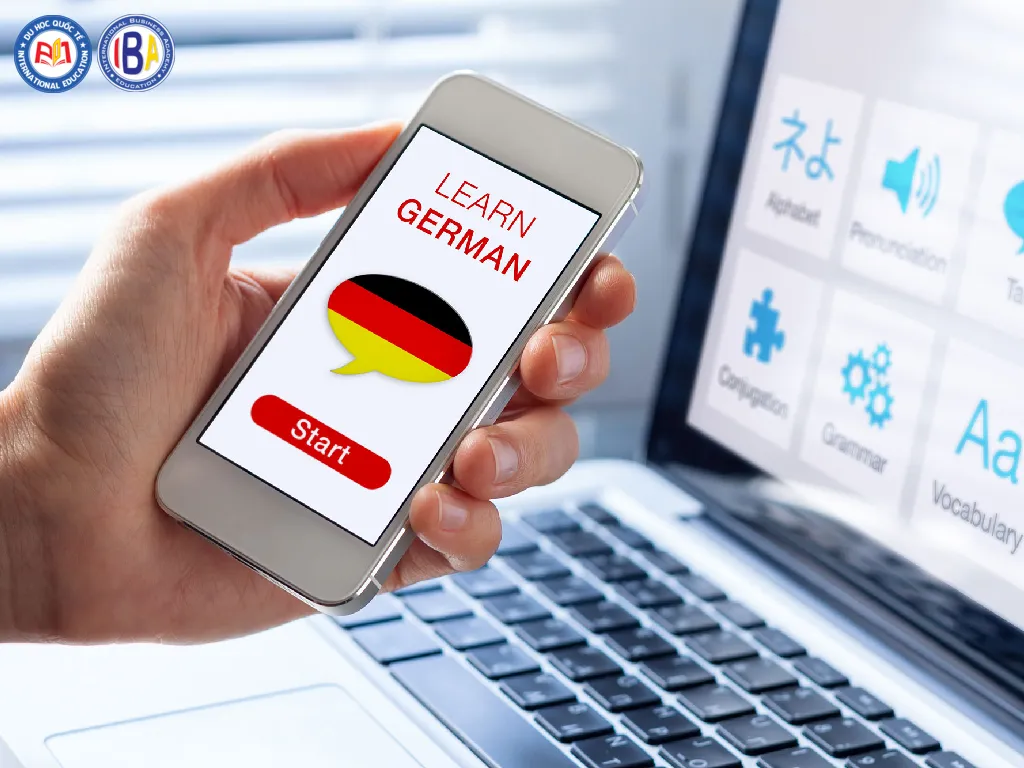
Common Mistakes When Doing German A1 Exercises
Beginners learning German often encounter some common mistakes when doing exercises.
- Incorrect verb conjugation according to the subject: German has many different forms of verb conjugation, so you need to pay attention to the subject of the sentence.
- Wrong verb position in the sentence: In declarative sentences, the verb usually stands in the second position.
- Confusion about the gender of nouns: German nouns have three genders: der, die, and das. This is the part that many learners find difficult.
Identifying these common mistakes will help you improve your results when practicing German A1 exercises.
Study Materials and Practice Exercises for German A1
To make learning more effective, you should choose materials suitable for your level. Some popular sources of materials include:
- German textbooks for beginners
- Online German learning websites
- Language learning apps on phones
- A1 exam preparation sets
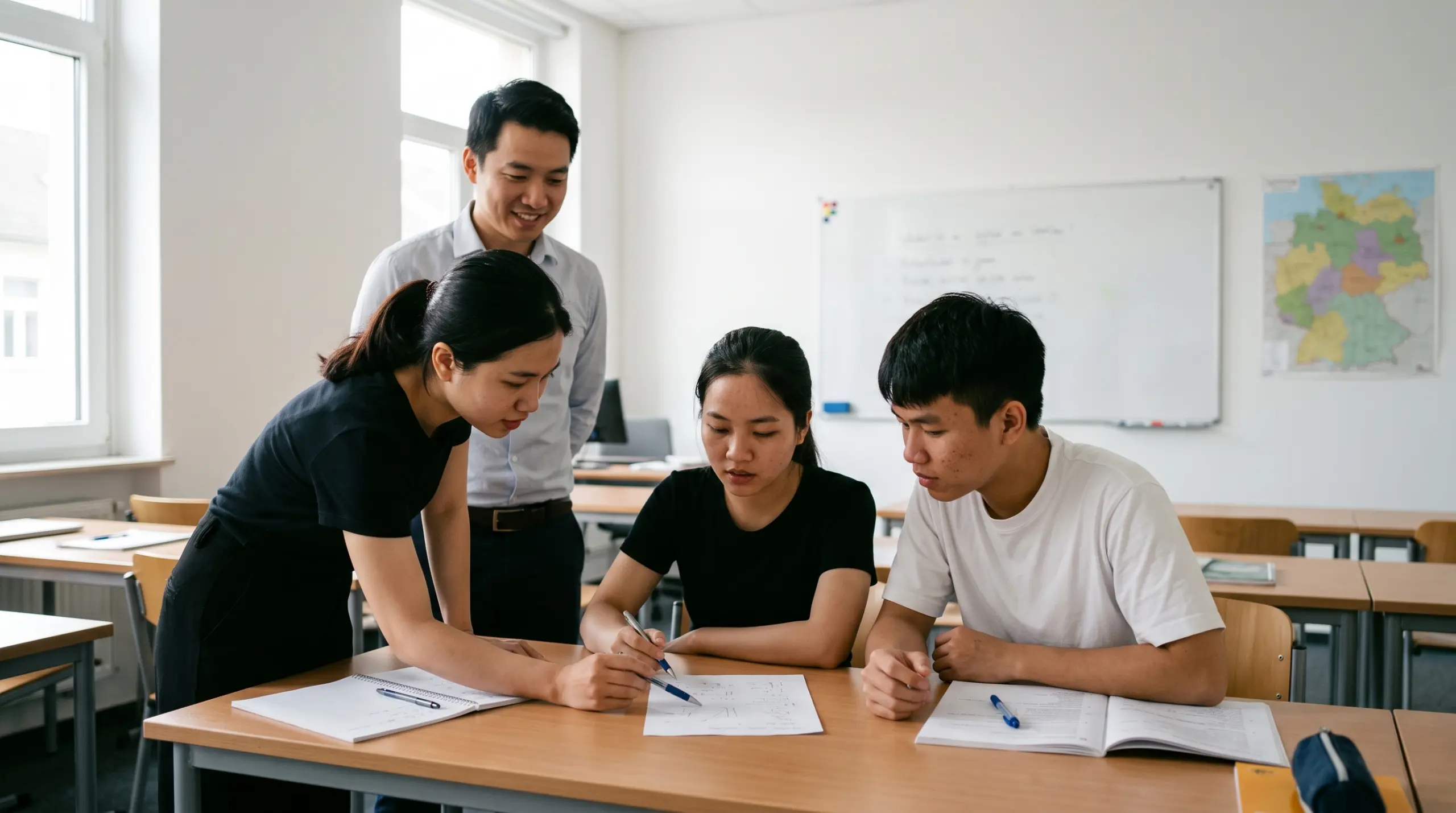
Additionally, you can join German classes or study groups to exchange and practice with people who have the same goals.
Conclusion
To make learning German easier and progress faster, in addition to self-practicing German A1 exercises, learners should also have a clear study roadmap and a suitable practice environment. When guided with the right method, you will master vocabulary, grammar, and improve communication skills right from the first steps.
PDT International Education is a German training unit with a systematic curriculum from level A1 to higher levels, helping students build a solid language foundation. Here, students are supported in practicing grammar, practicing communication, and getting acquainted with common German A1 exercise types encountered during the learning and certification process.
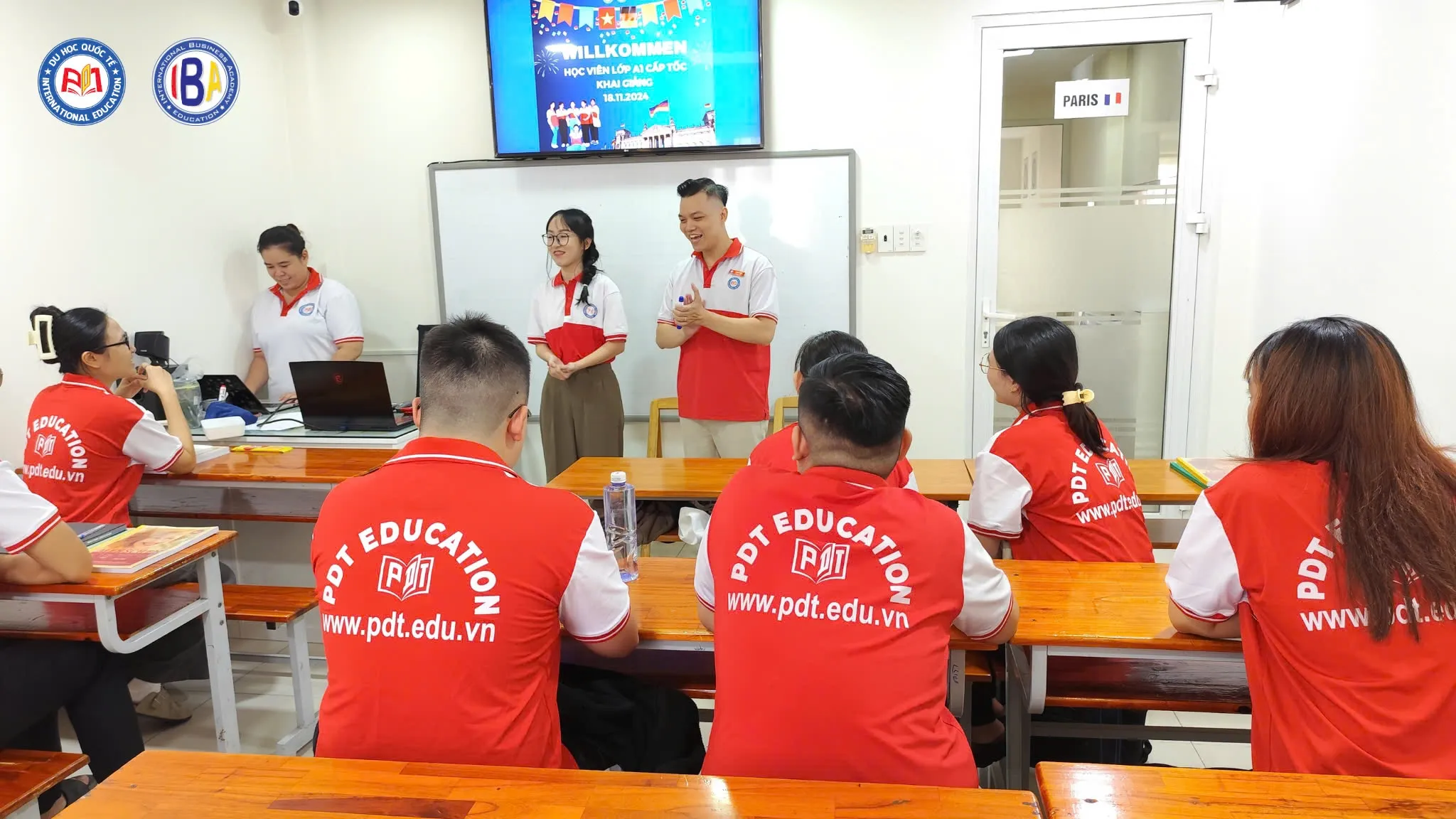
If you are starting to learn German or want to find an effective study roadmap, you can find more information and receive advice from PDT International Education to prepare well for your future learning and development journey.