In the journey to conquer the dream of studying and working in Germany, the German B2 certificate is considered an important stepping stone that helps you expand vocational training opportunities and integrate into the international environment. Many students start by researching the Goethe B1 exam, practicing with German B1 speaking exam samples, and diligently learning B1 vocabulary before setting higher goals. However, to truly create a competitive advantage and adapt well to the professional learning environment in Germany, owning a certificate at the B2 level brings more practical values than you think.

Why is the German B2 Certificate Important When Doing Vocational Training?
When choosing vocational training in Germany, language proficiency is not only an entry requirement but also the foundation for you to keep up with the curriculum, communicate with colleagues, and integrate into a new life. In particular, the German B2 certificate demonstrates the ability to use the language at an independent level, sufficient to understand professional content and participate in discussions in a vocational training environment.
The B2 level shows that the learner can:
- Understand the main content of complex texts, including technical documents.
- Communicate fluently and relatively naturally with native speakers.
- Present clear viewpoints on many different topics.
Unlike the basic level which only focuses on simple communication, B2 requires deeper linguistic thinking, flexible reflexes, and a rich vocabulary. This is especially necessary when you participate in vocational training – where language is linked to technical processes, practical instructions, and exchanges in a real working environment.
Besides, many enrollment units and vocational training enterprises prioritize candidates with solid German language skills. Therefore, investing in a B2 level certificate not only helps you meet the application conditions but also enhances your confidence throughout the learning process.
Comparing B1 and B2 Levels: Where is the Difference?
Before reaching B2, most learners go through the B1 stage with exams such as the Goethe B1 exam and practice through German B1 speaking exam samples. This is an important transition step, helping you form a foundation of grammar and basic communication skills.

However, between B1 and B2 there is a significant difference in linguistic depth and the level of autonomy in communication.
Language proficiency at B1
At B1, learners can:
- Communicate in familiar situations.
- Describe experiences, events, and future plans.
- Understand the main content of everyday conversations.
This stage is often associated with learning B1 vocabulary according to life topics such as work, family, and study.
Language proficiency at B2
At B2, the requirements are higher:
- Analyze and critique issues.
- Understand metaphorical meanings and linguistic nuances.
- Write essays with structure logic, and tight reasoning.
Study Roadmap to Achieve the German B2 Certificate
To achieve the B2 level, learners need to have a clear plan, avoiding spread-out learning or only focusing on one skill.
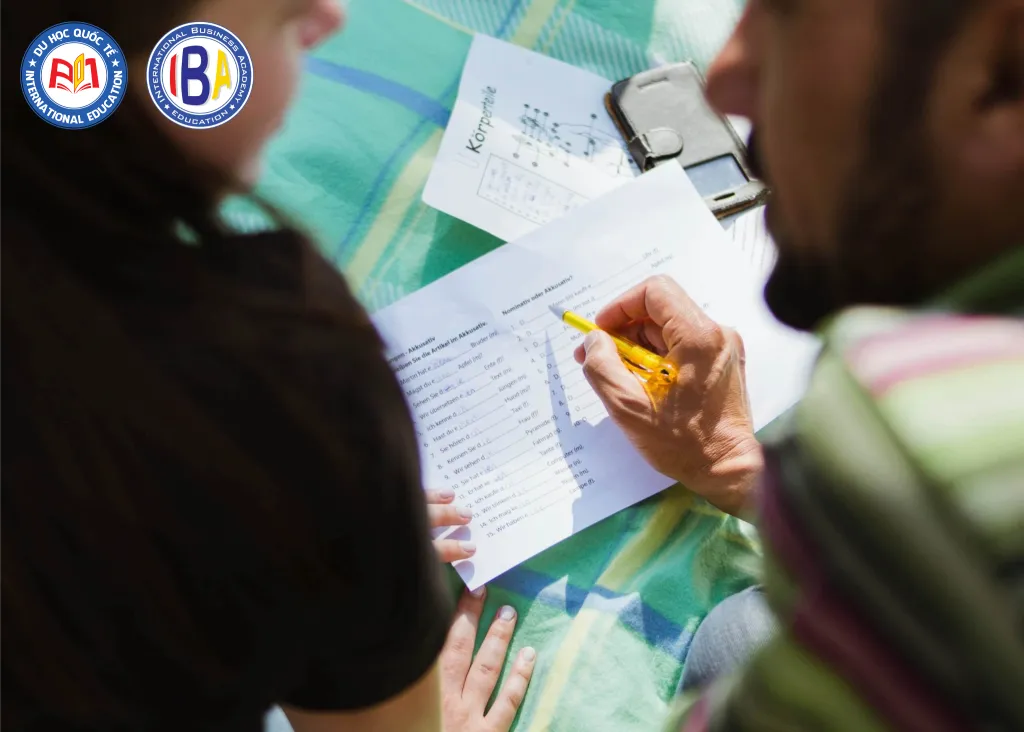
Build a solid foundation from B1
Before moving up to B2, make sure you have mastered:
- Important grammatical structures.
- Vocabulary system by topic.
- Listening – speaking skills at an independent level.
Practicing through B1 exam samples helps you get used to exam room pressure and how to allocate time reasonably. When the foundation is solid, the process of upgrading to B2 will be more favorable.
Develop critical thinking and reasoning
At B2, you don't just answer questions but also have to present personal viewpoints. Therefore, let's:
- Practice writing essays according to the intro – body – conclusion structure.
- Practice expressing viewpoints with complex conjunctions.
- Listen to podcasts, watch news in German to expand your vocabulary.
Practice specialized communication
If your goal is vocational training, let's:
- Get acquainted with professional vocabulary related to the industry you plan to study.
- Practice simulating conversations in a working environment.
- Join clubs or study groups to increase communication reflexes.
Proactive practice will help you not only achieve the certificate but also use the language in a practical and effective way.
>>> See more here.
Advantages of Owning a German B2 Certificate

Achieving the German B2 certificate is not just about completing an exam, but also evidence of your ability to integrate.
Firstly, you can confidently participate in interviews and exchange with training partners without depending too much on a supporter.
Secondly, in a vocational training environment, the ability to understand documents and exchange with lecturers helps you absorb knowledge faster. This creates a solid foundation for long-term career development.
Thirdly, when living in Germany, fluent communication helps you integrate into the community, handle administrative procedures, and build social relationships proactively.
In addition, achieving B2 also demonstrates a spirit of perseverance and discipline – important factors in an international working environment.
Notes When Reviewing and Registering for the Certificate

When preparing for the B2 exam, you should note some following points:
First of all, choose a reputable exam organizing unit that is widely recognized. This ensures the value of the certificate when submitting vocational training applications.
Next, allocate review time reasonably for each skill. Don't just focus on the part you are good at and ignore the weak skills.
Finally, keep a stable mentality before the exam. B2 requires confidence and good time control skills. Practicing mock exams many times will help you get used to the exam structure and avoid surprises when entering the official exam room.
Conclusion
Owning a German B2 certificate is an important step for you to confidently pursue vocational training and integrate into the learning environment in Germany. However, to achieve this goal methodically and effectively, you need a clear roadmap and professional companionship.
PDT Education is a reputable German language training and study abroad consulting unit, providing learning roadmaps from foundation to advanced levels, supporting application completion, and suitable career orientation in Germany. If you are aiming for the B2 goal and want to prepare carefully for your vocational training journey, please contact PDT Education for detailed advice and to build a suitable study plan starting today.
>>> See other topics: vocational-training-germany-2025-practical-experience-from-pdt