Building a methodical ds-hi german learning roadmap right from the start will help you save time, costs, and avoid feeling lost when getting used to a completely new language. Especially, with the german learning roadmap for beginners, mastering the foundation of pronunciation, vocabulary, and basic grammar is the key to conquering future educational and professional goals. Whether you are preparing for study abroad or vocational training, a clear, scientific study plan tailored to personal capacity will make the German learning journey more effective.
Introduction to vocational study in Germany and the role of German
Vocational study in Germany attracts thousands of Vietnamese students every year thanks to the high-quality Ausbildung system. According to 2023 DAAD data, more than 5,000 Vietnamese students are studying in Germany, a 20% increase over the previous year. German becomes the deciding factor for success as most programs require B1-B2 proficiency.
The German learning roadmap for beginners usually lasts 12-24 months depending on the method. DS-HI German Center emerges with the DS-HI (Dual Study – High Intensity) approach combining online learning and practice. This article analyzes this roadmap along with alternatives for you to make an informed decision.
Readers will learn a specific roadmap framework, compare 4 learning methods, see real case studies, and a self-assessment checklist. Content is based on the experience of consulting 500+ students at PDT EDUCATION from 2020-2024.
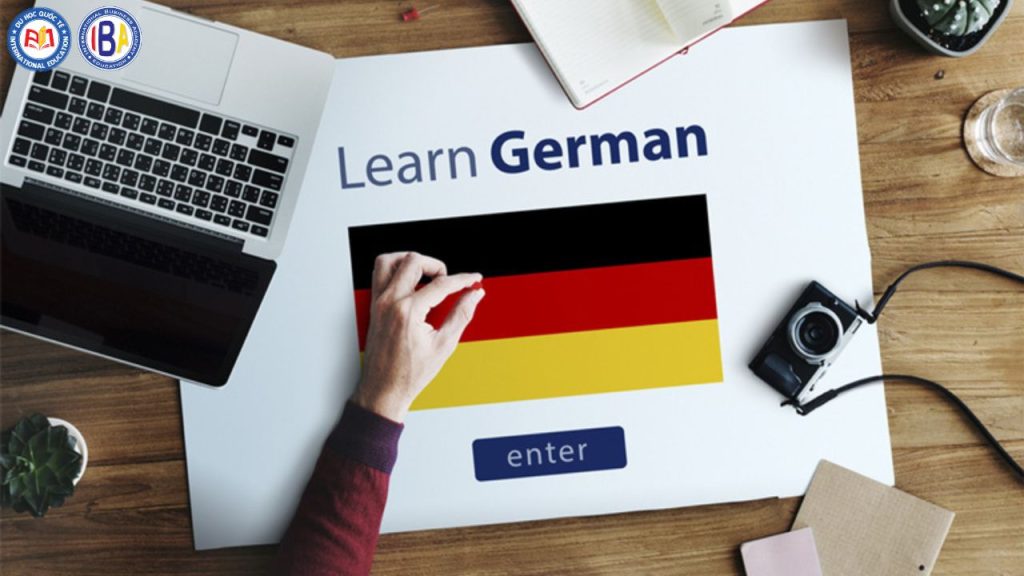
Why does vocational study in Germany need a methodical German roadmap?
The Ausbildung program requires Goethe B1 to apply and B2 to graduate. Many students fail because of vague learning without a clear roadmap. The DS-HI method focuses on professional practice skills alongside the language.
According to the 2023 BAMF report, 68% of vocational students in Germany face practical communication difficulties despite having certificates. An effective roadmap must combine grammar, specialized vocabulary, and interview practice. visa.
- Assess current level via Goethe-Institut online test
- Define specific goals: A1 (3 months), A2 (6 months), B1 (12 months)
- Choose a center with a B1 pass rate over 80% according to internal statistics
- If working full-time, prioritize flexible online courses
- Check if the program includes Ausbildung visa exam preparation
What is the DS-HI method and how does it work?
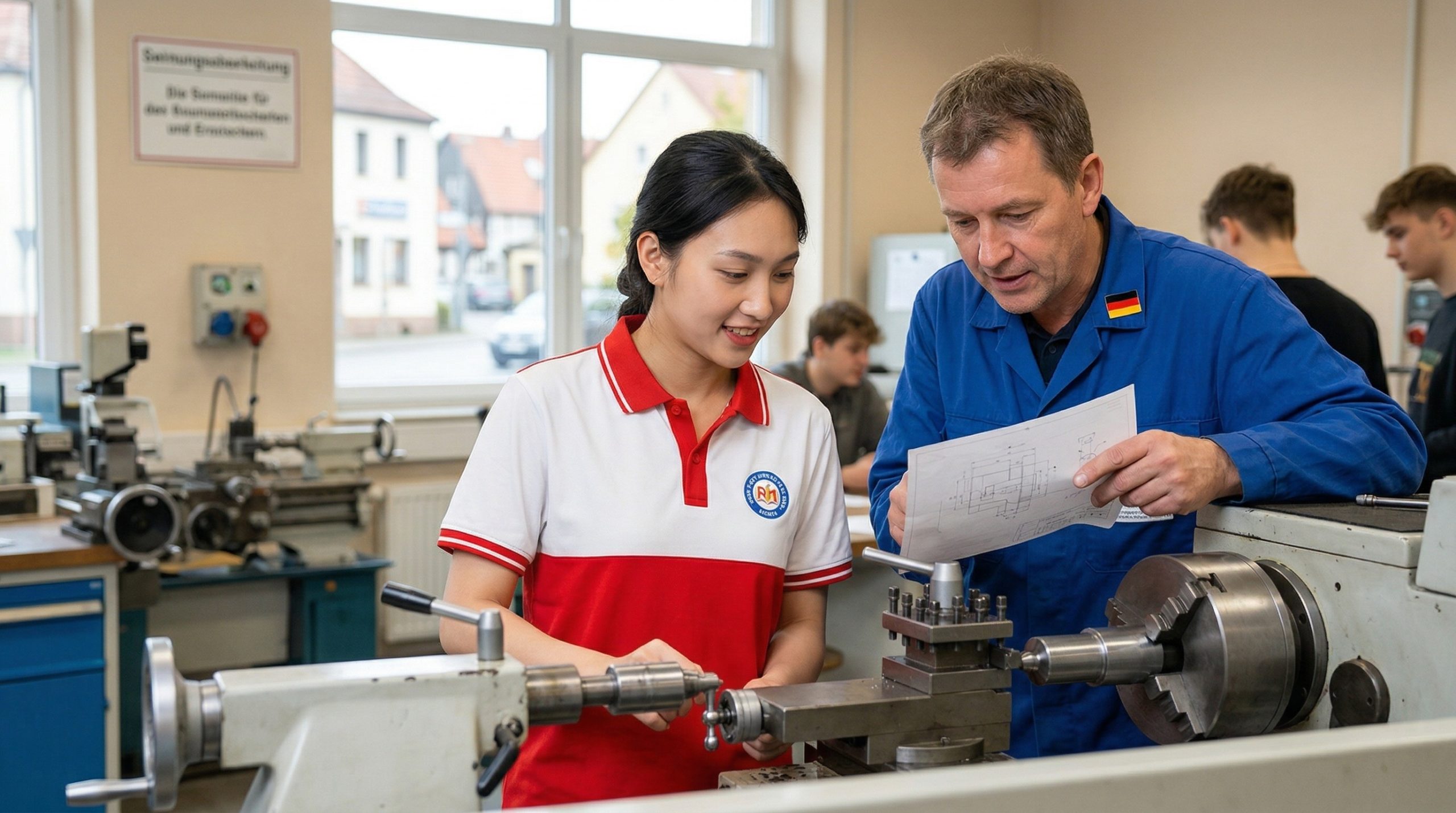
DS-HI (Dual Study – High Intensity) combines 70% theory and 30% professional practice. Students learn German alongside vocational knowledge like nursing or mechanics. This method shortens the time from 24 months to 15 months according to PDT EDUCATION data.
The program takes place at the DS-HI German center, 14/10 Ngo Tat To, HCMC. Schedule is 20 hours/week, combining an AI speaking app and workshops with German businesses. Money-back guarantee if B1 is not reached after 12 months.
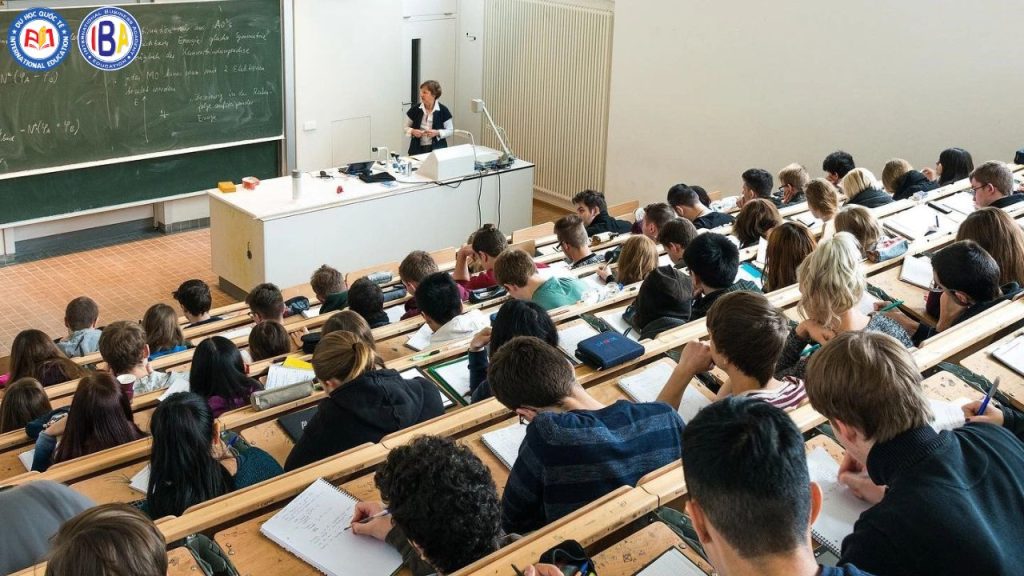
Structure of the 4-stage DS-HI roadmap
Stage 1 (3 months): Build A1-A2 foundation with 1200 basic words. Focus on daily communication and essential grammar. Student rate reaching A2 is 95% according to 2023 statistics.
Stage 2 (4 months): Transition to B1 with specialized vocabulary (nursing, IT). Monthly Goethe mock tests. This stage filters out 20% of students who cannot keep up with the intensity.
Stage 3-4 (5 months): Visa interview practice, Ausbildung CV writing, and online internship with German businesses. Support for applying to 50+ partner companies.
- Complete 80% of online homework before class
- Participate in at least 3 professional workshops per stage
- Practice speaking 30 minutes/day via the DS-HI AI app
- If mock test score is below 70%, attend free supplementary classes
- Record personal video portfolio to apply for Ausbildung
Pros and cons of the DS-HI method
Pros: Saves time, students get jobs immediately after B2.
Cons: High intensity, suitable for young people under 30 in good health. Cost of 45 million/12-month course is higher than self-study.

Comparison of 4 popular German learning roadmaps in Vietnam
The market has many options from self-study to high-end centers. Analysis helps you choose according to financial conditions and time. Data based on a survey of 300 PDT EDUCATION students in 2024.
| Method | Time to reach B1 | Cost | Advantages | Disadvantages |
|---|---|---|---|---|
| DS-HI (DS-HI Center) | 12 months | 45 million | Job guarantee, visa support | High intensity, less flexibility |
| Goethe-Institut | 18 months | 60 million | Reputable international certificates | Does not teach vocational specialties |
| Self-study + App (Duolingo, Busuu) | 24+ months | 2-5 million | Flexible time, low cost | B1 pass rate only 15-20% |
| Local centers (NHAT, APA) | 15 months | 25 million | Cheap price, crowded classes | Uneven quality |
| International Online (DeutschAkademie) | 16 months | 15 million | Learn anytime, native teachers | Lack of real interaction |
Building a personalized roadmap from A1 to B2
Each student needs a separate roadmap based on time and target profession. 4P framework: Personalization – Practice – Profession – Placement. Apply flexibly to all methods.
Effective study time allocation table
| Number of parts | Time/week | Main content | Checkpoints |
|---|---|---|---|
| A1 | 15 hours | Greetings, numbers, shopping | A1 mock exam month 3 |
| A2 | 18 hours | Describing family, work | Goethe A2 month 6 |
| B1.1 | 20 hours | Vocational vocabulary, CV writing | Mock B1 month 9 |
| B1.2 | 22 hours | Visa interview, labor contract | Official B1 exam month 12 |
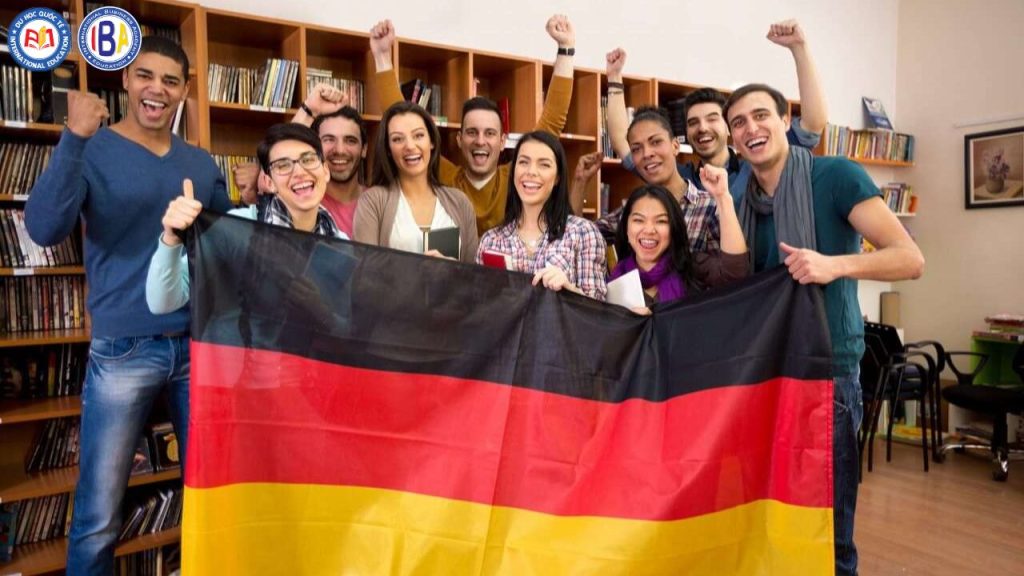
Free German learning support tools
Use ANKI for vocabulary flashcards (500 words/week). Deutsche Welle podcast for real-life listening. Tandem app to connect with German partners for daily speaking practice.
Common error: rote learning without practice. Solution: record 5 minutes/day to compare with native speakers on YouTube.
- Download ANKI + 5000-word Goethe B1 deck
- Listen to DW 30 minutes/day, note down 20 new words
- Practice speaking with Tandem partner 4 sessions/week
- Write 100-word diary/day, ask teacher to correct
- Join Vietnam-Germany Ausbildung Facebook groups
- Schedule monthly mock exams according to the roadmap framework
Common Challenges and How to Overcome Them
85% of students give up at the A2-B1 mark due to loss of motivation. Cause: mechanical learning, not seeing practical results. Solution: set weekly micro-goals and track progress. Top 4 common difficulties:
1. Complex grammar: Learn by vocational context instead of pure theory. For example: learn Genitive through writing an Ausbildung CV.
2. Lack of practice environment: Join German clubs in HCMC or online Discord servers. Watch German movies without subs to get used to the accent.
3. Financial pressure: Choose internal center scholarships or work part-time as a basic German tutor.
4. Lack of long-term motivation: Connect with former students via Zalo groups. Visit the annual German study abroad exhibition.

Conclusion: Choosing the roadmap that fits you
DS-HI is suitable for those wanting fast results with job support. Goethe is ideal for prestigious international certificates. Self-study is only effective for highly disciplined people with plenty of time. Decision depends on: time (12-24 months), budget (15-60 million), specific career goals. Check the 3 nearest centers via trial lessons before registering. Next steps: take the free Goethe level test, join the free Ausbildung webinar in November 2024. Track progress for 3 months to adjust the roadmap timely.
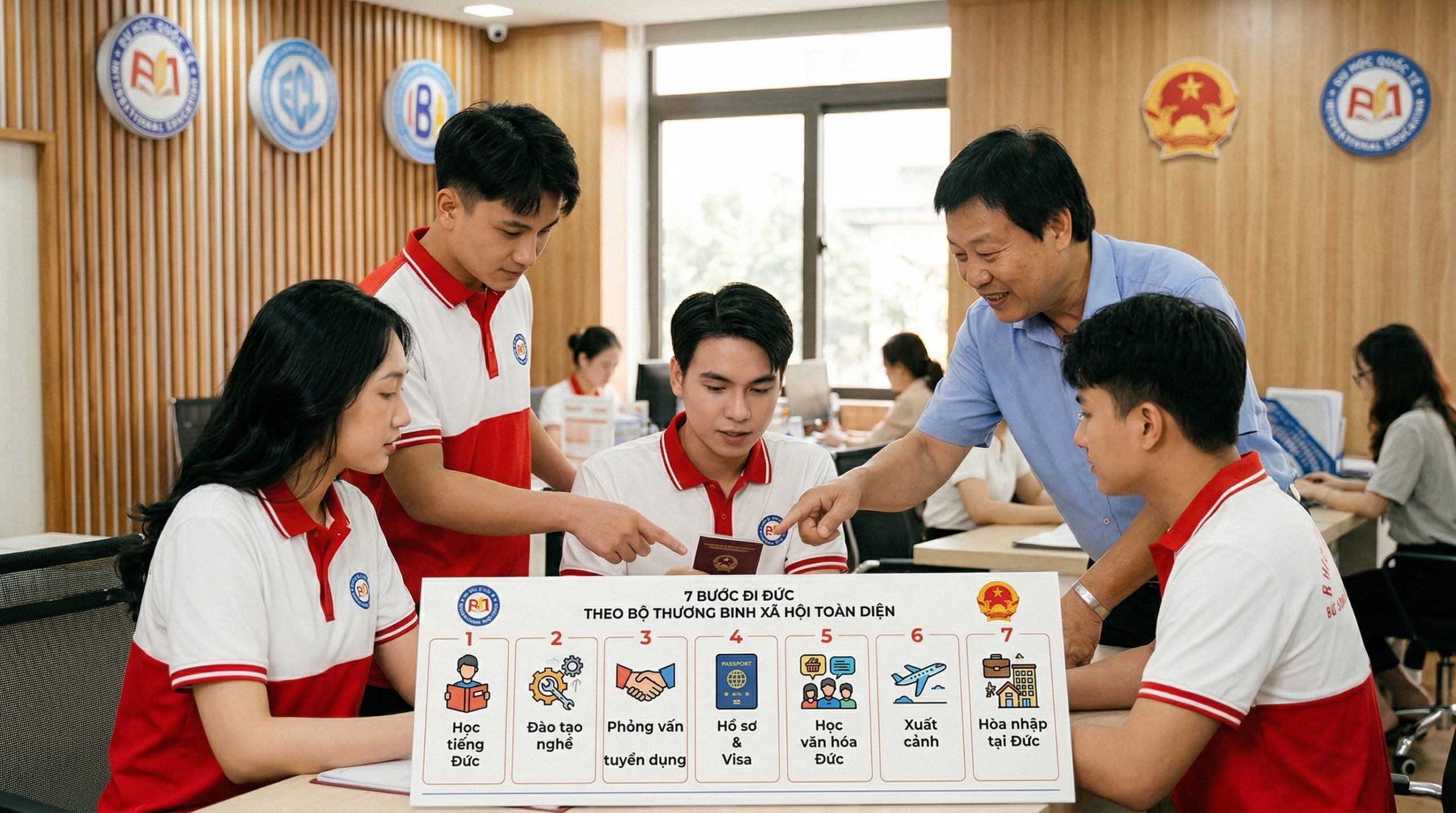
If you are still concerned about documentation procedures, cost problems, or haven't clearly visualized the learning roadmap in Germany, having an experienced companion will help everything become clearer and easier. With over a decade of operation in the field of vocational study in Germany consulting, PDT International Education has supported many students in building a methodical plan for their learning goals. From the stage of orienting suitable industries to guiding the preparation of financial proof documents, every step is carefully consulted and close to each specific case.
Don't hesitate to contact PDT International Education for in-depth consultation and to design a vocational study in Germany roadmap suitable for your capacity as well as future orientation. Dedicated and professional support will help you enter a new journey with confidence, proactivity, and a mindset ready to conquer challenges.